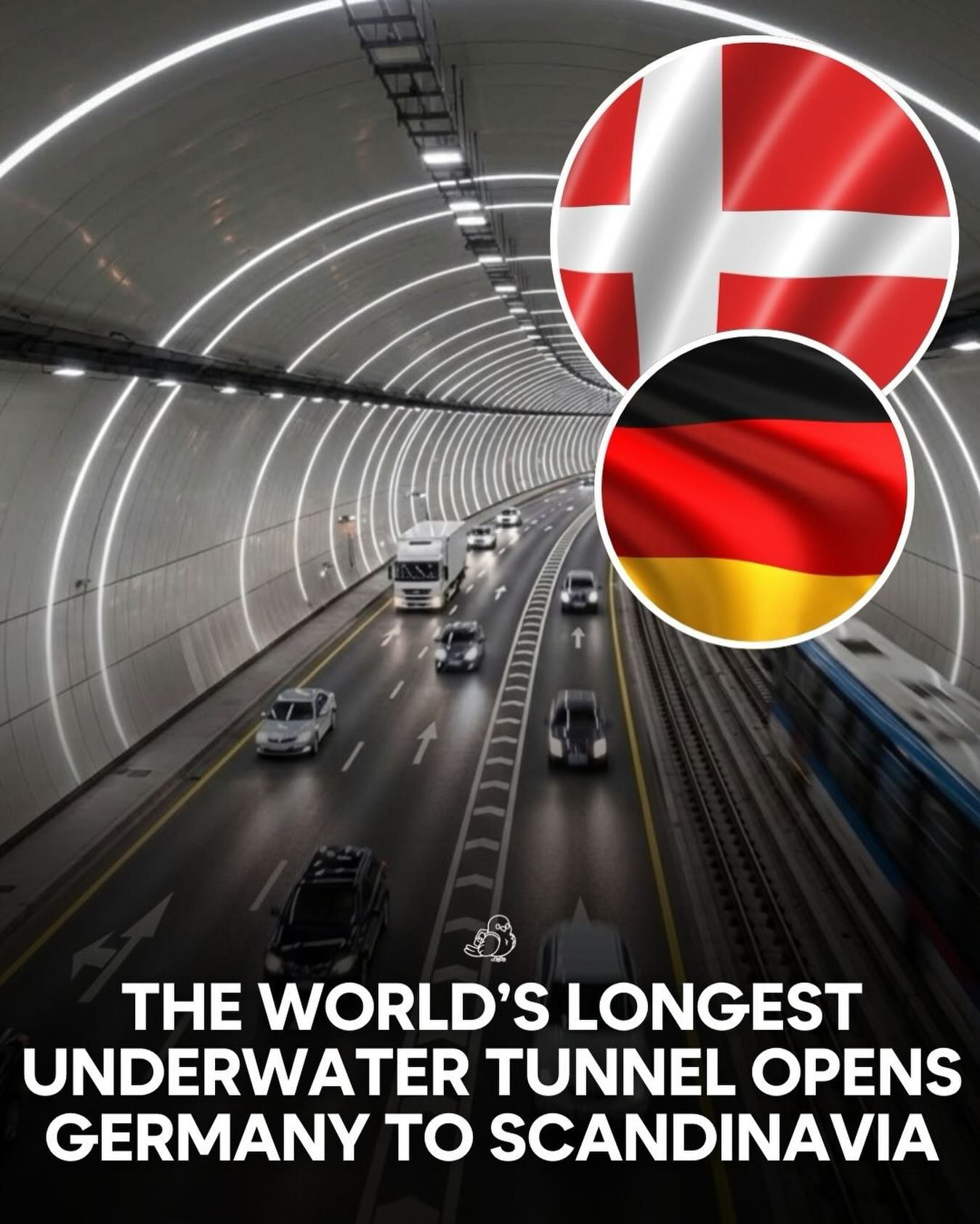
The Fehmarnbelt Fixed Link: Revolutionizing Travel Between Germany and Scandinavia
The Fehmarnbelt Fixed Link, an ambitious engineering project, is underway to connect Germany and Denmark with the world's longest underwater tunnel. Spanning approximately 18 km (11 miles) beneath the Baltic Sea, this immersed road and rail tunnel aims to dramatically reduce travel times for both cars and trains.
Why This Matters
The Fehmarnbelt Fixed Link is more than just a tunnel; it's a pivotal infrastructure development designed to boost trade, tourism, and connectivity across Northern Europe. By replacing the current ferry route, it will significantly shorten travel times, making journeys between Germany and Scandinavia more efficient and convenient. This project is a testament to how modern infrastructure can reshape regional travel and foster stronger economic ties.
The Fehmarnbelt Fixed Link: A Game Changer
An Engineering Marvel
The Fehmarnbelt Fixed Link is slated to be one of the longest underwater tunnels globally, showcasing the pinnacle of engineering innovation. The tunnel will feature both road and rail, accommodating both cars and trains, and will be immersed beneath the Baltic Sea. This dual-purpose design is unprecedented, offering a versatile and efficient transport solution.
Connecting Two Worlds
The tunnel will provide a direct connection between Germany and Denmark, with direct implications for Scandinavia. It will connect the German state of Schleswig-Holstein with the Danish island of Lolland, dramatically shortening the journey time. This new route will not only benefit travelers but also facilitate the efficient transportation of goods, fostering economic growth and development in the region.
Environmental Impact
While the tunnel promises substantial improvements in travel efficiency, it also raises considerations about its environmental impact. The construction process involves complex engineering challenges, including the management of underwater soil and potential disruptions to marine life. However, the project's developers aim to mitigate these impacts through careful planning and innovative engineering techniques.
Economic and Tourism Benefits
By reducing travel times, the Fehmarnbelt Fixed Link will open up new opportunities for trade, tourism, and connectivity. Businesses will find it easier to transport goods, and tourists will enjoy more convenient travel options. Cities and towns along the route will likely see increased foot traffic, boosting local economies. This improved connectivity will also stimulate investment in infrastructure, further enhancing the region's economic landscape.
Technological Innovations
This project embodies some of the most advanced engineering and technological innovations. The construction of such a long underwater tunnel requires cutting-edge materials and techniques, such as advanced tunnel-boring machines, high-strength concrete, and innovative drainage systems. These innovations will not only benefit this project but also pave the way for future infrastructure developments.
Practical Tips for Navigating the Fehmarnbelt Fixed Link
Planning Your Route
Once the tunnel is operational, it will be essential to plan your route effectively. Utilize GPS navigation systems and maps to determine the best routes for cars and trains. Be aware of any tolls or fees associated with using the tunnel, as these will be crucial for budgeting your travel expenses.
Traveling by Car
Drivers should familiarize themselves with the tunnel regulations and safety protocols. Ensure your vehicle is in good condition and that you have all necessary documents, such as insurance and registration. Adhere to speed limits and follow any instructions provided by tunnel authorities. Keep in mind that the tunnel might have specific lanes for cars and heavy vehicles.
Traveling by Train
Train travelers should check the schedules and routes provided by rail operators. The tunnel will significantly reduce travel times, so plan accordingly and arrive at the station with enough time for check-in and boarding. Be aware of any luggage restrictions and bring essentials such as water and snacks for the journey.
Emergency Preparedness
Understand the emergency procedures in place for the tunnel. Know the location of emergency exits and communicate with fellow travelers about the safety protocols. Keep your phone charged and a list of emergency contacts handy, just in case.
Important Takeaways
The Fehmarnbelt Fixed Link represents a significant milestone in infrastructure development, promising to transform travel between Germany and Scandinavia. Its completion will enhance regional connectivity, boost economic activities, and highlight the potential of modern engineering.
The tunnel’s dual-purpose design, accommodating both cars and trains, ensures versatility and efficiency, positioning it as one of the world's most impressive infrastructure projects.
The tunnel's environmental considerations and technological advancements demonstrate the commitment to sustainable and innovative engineering practices. By addressing these aspects, the project aims to minimize its ecological footprint while maximizing its benefits.
Lastly, navigating the tunnel effectively requires thorough planning and understanding of safety protocols. Whether traveling by car or train, travelers should be prepared for a smoother, more efficient journey.
Conclusion
The Fehmarnbelt Fixed Link, once completed, will stand as a testament to human ingenuity and the power of infrastructure to transform regions. It embodies the potential of modern engineering to address the challenges of travel and connectivity efficiently. As it nears completion, the anticipation for this groundbreaking development continues to grow, setting the stage for a new era of seamless travel and economic prosperity between Germany and Scandinavia.
Questions readers ask
What is the Fehmarnbelt Fixed Link and where is it being constructed?
The Fehmarnbelt Fixed Link is an extensive infrastructure project involving the construction of the world's longest underwater tunnel. It is being built to connect Germany and Denmark under the Baltic Sea, specifically between the German island of Fehmarn and the Danish island of Lolland.
How long is the Fehmarnbelt Tunnel and what makes it unique?
The Fehmarnbelt Tunnel will stretch approximately 18 kilometers (11 miles), making it the longest underwater tunnel in the world. Its uniqueness lies in its dual purpose, accommodating both road and rail traffic, thereby enhancing overall connectivity between Germany and Scandinavia.
What are the primary benefits of the Fehmarnbelt Fixed Link?
The primary benefits of the Fehmarnbelt Fixed Link include significantly reduced travel times for both cars and trains, increased connectivity, and enhanced opportunities for trade and tourism. It will replace the current ferry route, providing a more efficient and convenient travel option between Germany and Scandinavia.
What types of transport will the Fehmarnbelt Tunnel accommodate?
The Fehmarnbelt Tunnel is designed to accommodate both road and rail transport. This dual-purpose design ensures that it can facilitate the movement of both private and commercial vehicles, as well as trains, thereby catering to a wide range of transportation needs.
How will the Fehmarnbelt Fixed Link impact travel and connectivity in Northern Europe?
The Fehmarnbelt Fixed Link is expected to revolutionize travel and connectivity in Northern Europe. By shortening journey times and providing a direct link between Germany and Denmark, it will make travel between these regions more convenient and efficient, fostering greater economic integration and cultural exchange.
What are the current plans for construction and completion of the Fehmarnbelt Tunnel?
The Fehmarnbelt Tunnel construction involves sophisticated engineering techniques, including the use of immersed tunnel elements. The project is currently in progress, with completion expected in the coming years. The exact timeline for completion may vary based on various factors, including technical and logistical challenges.
Related deep dives
Similar reads based on topic and creator.




Recent articles
Fresh deep dives from the latest Reels we unpacked.



Comments
Be the first to comment.