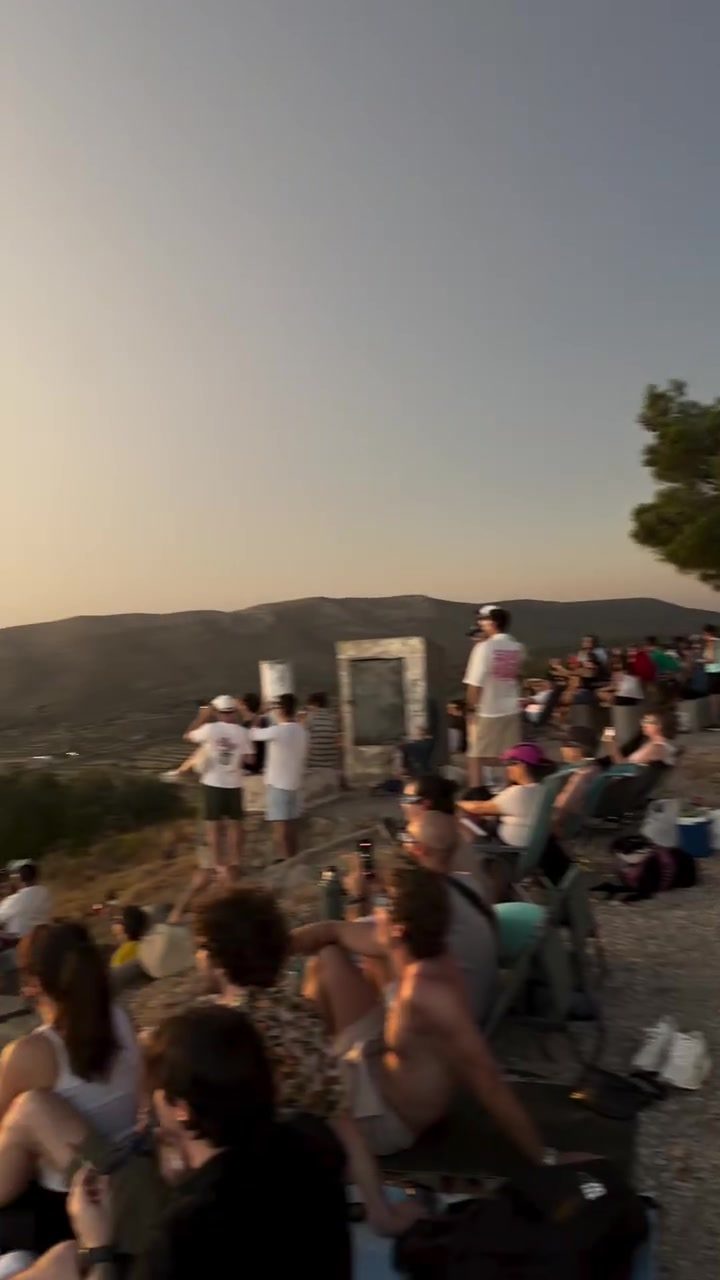
Solar Eclipse Viewing in Spain
Watching a solar eclipse is an awe-inspiring experience, one that draws people from all walks of life to gather and witness the celestial spectacle. In Spain, enthusiasts recently gathered on a hilltop to observe a solar eclipse, capturing the event's changing colors and dramatic sky transformations. This guide explores the unique experience of solar eclipse viewing, the science behind it, and practical tips for your future observations.
Why this matters
Watching a solar eclipse is more than just a visual experience—it's a profound way to connect with the cosmos. Solar eclipses are rare events that offer a glimpse into the intricate workings of our solar system. In Spain, these events are particularly noteworthy, given the country's rich astronomical history and the clear, unobstructed skies that provide an ideal viewing environment. Understanding the science behind these events enhances the appreciation for such natural phenomena. The atmosphere, the positioning of the Moon, and the positioning of the Sun all create a fascinating celestial alignment.
Main discussion
The Science of Solar Eclipses
A solar eclipse occurs when the Moon passes between the Sun and the Earth, casting a shadow on the Earth's surface. There are three types of solar eclipses: total, partial, and annular.
- Total Solar Eclipse: The Moon completely covers the Sun's disk, revealing the Sun's corona—the outer atmosphere that is usually obscured by the bright light.
- Partial Solar Eclipse: Only a part of the Sun's disk is obscured by the Moon, creating a crescent-shaped Sun.
- Annular Solar Eclipse: The Moon is too far away from Earth to completely cover the Sun, resulting in a "ring of fire" around the Moon.
The Importance of Safe Viewing
Viewing a solar eclipse directly with the naked eye can be extremely dangerous, as the Sun's rays can cause severe eye damage, including permanent blindness. Special eclipse glasses or solar filters are essential for safe viewing. These glasses are designed to block harmful UV and infrared rays, allowing you to observe the eclipse safely. Additionally, pinhole projectors offer a simple and effective way to view the eclipse indirectly.
The Experience of Watching a Solar Eclipse
The experience of watching a solar eclipse is both thrilling and serene. As the Moon begins to obscure the Sun, the sky gradually darkens, and the temperature drops noticeably. The transition from daylight to twilight can be astonishing, and the atmosphere is often filled with a sense of anticipation and awe.
During a total eclipse, the Sun's corona becomes visible, appearing as a faint halo around the Moon. The circumstances of the event are both breathtaking and humbling, offering a unique perspective on the vastness of the universe.
Practical tips
Planning for Solar Eclipse Viewing
- Location: Choose a location with a clear view of the sky, away from tall buildings and trees. High altitudes, such as hilltops or mountains, often provide the best views.
- Timing: Check the exact timing of the eclipse for your location. Use reliable sources like NASA's eclipse website or local astronomy clubs to get accurate information.
- Equipment: Invest in high-quality eclipse glasses or solar filters. If you plan to use a camera or telescope, ensure it is equipped with the appropriate filters to protect both your eyes and the equipment.
- Weather: Clear skies are crucial for a successful viewing experience. Keep an eye on the weather forecast and be prepared to travel if necessary.
Tips for Safe Viewing
- Eye Protection: Never look directly at the Sun without proper eye protection. Use eclipse glasses or solar filters certified by the International Organization for Standardization (ISO) 12312-2.
- Indirect Viewing: Create a pinhole projector using a cardboard box or a piece of paper with a small hole. This allows you to view the eclipse safely by projecting the Sun's image onto a screen.
- Camera Precautions: If you plan to photograph the eclipse, use a solar filter designed for your camera lens. Never look through the camera's viewfinder without a filter, as this can cause eye damage.
Important takeaways
Watching a solar eclipse in Spain is a memorable and awe-inspiring experience. The country's clear skies and rich astronomical history make it an ideal location for observing this celestial event. Understanding the science behind solar eclipses, planning for safe viewing, and choosing the right equipment are all crucial for a successful and enjoyable experience.
Conclusion
Watching a solar eclipse is an unforgettable journey that connects us to the wonders of the universe. Whether you're a seasoned astronomer or a curious observer, the experience of witnessing the Moon's passage between the Sun and Earth is one that stays with you. By following the tips and guidelines outlined, you can ensure a safe and enjoyable viewing experience, allowing you to fully appreciate the beauty and majesty of a solar eclipse.
Questions readers ask
What makes Spain an ideal location for viewing a solar eclipse?
Spain's clear skies and rich astronomical heritage make it a prime spot for observing solar eclipses. The country's diverse landscapes, including hilltops, provide unobstructed views of the sky, enhancing the viewing experience. Additionally, Spain's location in Europe offers opportunities to witness eclipses that may not be visible elsewhere.
What are some tips for photographing a solar eclipse in Spain?
To capture the solar eclipse, use a camera with a telephoto lens and a solar filter to protect your equipment and eyes. Practice your technique before the event. Tripods can help keep your camera steady. Consider using a remote shutter release to minimize camera shake. Always prioritize safety by never looking directly at the sun without proper eye protection.
What is the significance of a solar eclipse alignment?
During a solar eclipse, the moon perfectly aligns with the sun, casting a shadow on Earth. This alignment offers a unique opportunity to observe the sun's corona, the outer atmosphere that is usually obscured by the sun's bright light. It also provides a profound connection to the cosmos, highlighting the intricate workings of our solar system.
What are the best times and places to see a solar eclipse in Spain?
The best times to see a solar eclipse in Spain vary by year, so it's important to consult astronomical calendars for specific dates. Hilltops and remote areas with clear skies, such as those in Andalusia, the Canary Islands, and other high-altitude regions, offer the best viewing conditions. Spain's diverse geography provides numerous options for optimal viewing experiences.
How can I participate in a solar eclipse tour in Spain?
To join a solar eclipse tour in Spain, research and book with reputable travel agencies or astronomy clubs that specialize in these events. These tours typically include transportation, accommodation, and expert guidance. Booking in advance is crucial, as these tours can fill up quickly due to the unique and rare nature of the events.
What should I expect during a solar eclipse viewing event in Spain?
During a solar eclipse viewing event in Spain, expect a gathering of enthusiastic observers on hilltops or open fields. The atmosphere is often festive, with experts and enthusiasts sharing knowledge. The sky will gradually darken, revealing the sun's corona and creating a mesmerizing display of celestial beauty. Safety precautions, such as using proper eye protection, are essential.
Can I live stream a solar eclipse in Spain if I can't attend in person?
Yes, many astronomical organizations and observatories in Spain offer live streams of solar eclipses. These streams provide real-time footage of the event, allowing you to witness the celestial spectacle from anywhere in the world. Live streams also often include expert commentary, enhancing your viewing experience and offering insights into the science behind the eclipse.
What makes the 2023 solar eclipse in Spain particularly noteworthy?
The 2023 solar eclipse in Spain is notable due to its unique path and the duration of totality, which allows for a more extended viewing experience. This eclipse also coincides with Spain's rich astronomical heritage, providing enthusiasts with a deeper appreciation for the country's contributions to the field of astronomy. The event offers a rare opportunity to witness the sun's corona and other celestial phenomena.
Related deep dives
Similar reads based on topic and creator.




Recent articles
Fresh deep dives from the latest Reels we unpacked.




Comments
Be the first to comment.