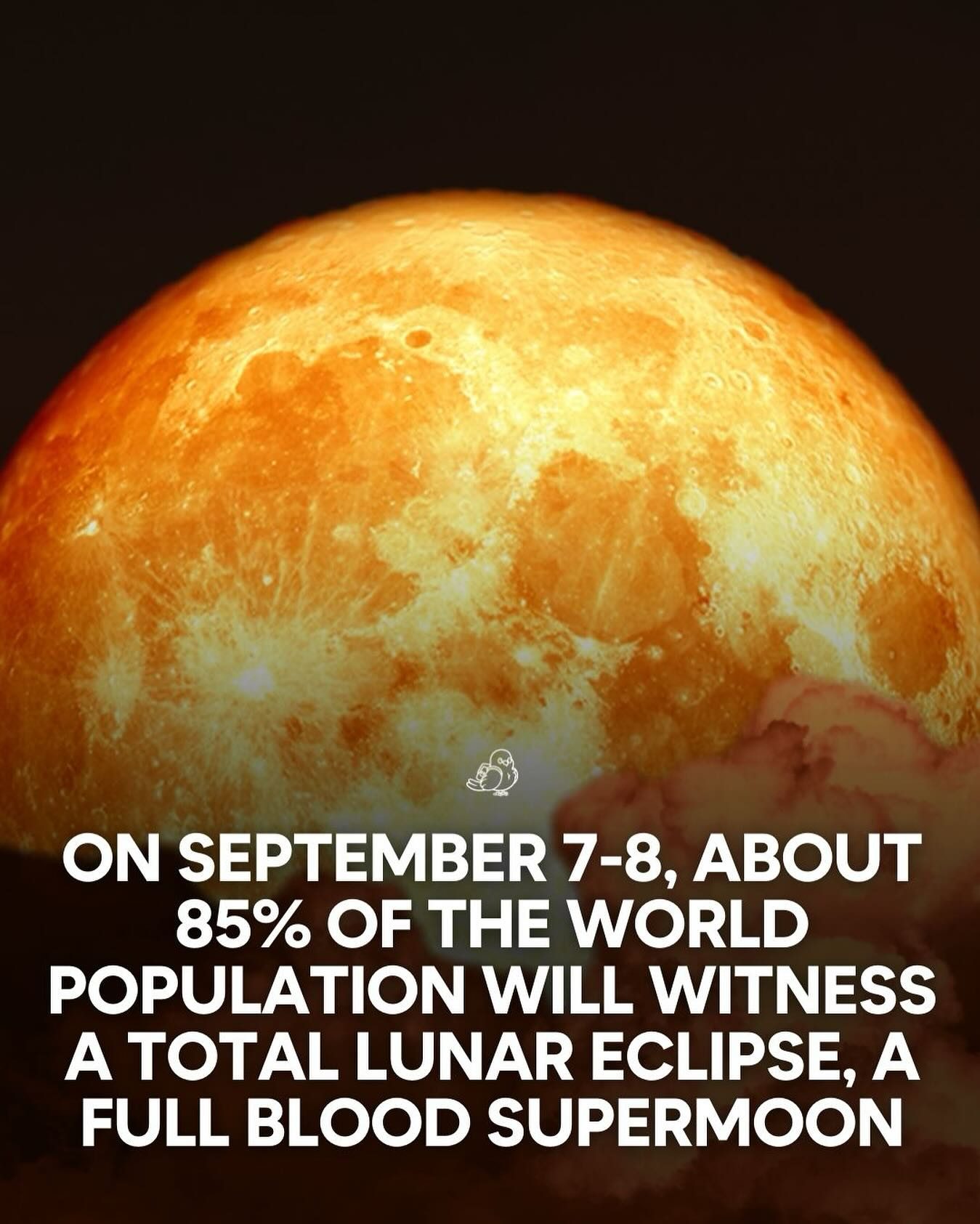
The Lunar Eclipse and Full Blood Supermoon of September 7-8
A total lunar eclipse and a full blood supermoon will take center stage in the night sky on September 7-8. This celestial event is one of the most spectacular of the decade, and it will be visible to approximately 85% of the world's population.
Where and When to Watch
Visibility and Regions
The lunar eclipse will be most visible in a large swath of the Eastern Hemisphere, including:
- Asia
- Africa
- Europe
- South America
As well as parts of North America. However, the visibility of the eclipse will be weather permitting, so viewers should be prepared for potential cloud cover that might obstruct the view.
Timing
The best time to watch the lunar eclipse depends on your location. You'll want to look up just after moonrise or before moonset, as this is when the eclipse will be most visible. The moon will glow with a striking deep red hue, a phenomenon that makes this event particularly captivating.
Understanding the Lunar Eclipse and Blood Supermoon
The Lunar Eclipse
A lunar eclipse occurs when the Earth passes between the sun and the moon, casting a shadow on the moon's surface. During a total lunar eclipse, the Earth's shadow completely covers the moon, causing it to appear dark or red. This reddish color is due to the scattering of sunlight by the Earth's atmosphere, which filters out blue light and allows only red light to reach the moon.
The Full Blood Supermoon
A full blood supermoon is a rare occurrence that combines three distinct phenomena:
- Total Lunar Eclipse: The moon appears dark and red.
- Blood Moon: The reddish hue of the moon during a total lunar eclipse.
- Super Moon: A supermoon occurs when the full moon is closest to Earth in its orbit, appearing larger and brighter than usual.
Viewing Tips for the Best Experience
Finding the Perfect Spot
To get the best view of the lunar eclipse and full blood supermoon, find an open sky with minimal light pollution. Urban areas can have significant light pollution, making it difficult to see the moon clearly. For example, a tripod can help stabilize your camera, and a blanket can provide comfort if you plan to stay out for a while. It is also helpful to avoid the glare of city lights.
No Telescope Needed
One of the most exciting aspects of this celestial event is that you don't need any special equipment to enjoy it. Simply looking up at the sky with your naked eye will give you a stunning view. However, if you do have a telescope or a pair of binoculars, they can enhance your experience by allowing you to see the moon's details more clearly. If you plan to capture the event with a camera, bringing a tripod can help stabilize your shots.
Capturing the Moment
For those interested in photography, a tripod and a camera with manual settings are ideal for capturing the lunar eclipse. You'll want to use a long exposure to capture the moon's details and the reddish hue it takes on during the eclipse. Experimenting with different shutter speeds and ISO settings can help you get the perfect shot. Remember to use a remote shutter or a self-timer to avoid camera shake, which can blur your images.
Important Takeaways
- A total lunar eclipse and a full blood supermoon will take place on September 7-8, visible to 85% of the world's population.
- The event is most visible in Asia, Africa, Europe, South America, and parts of North America, weather permitting.
- Look up just after moonrise or before moonset for the best viewing experience.
- The phenomena will be visible to the naked eye, but cameras and binoculars can enhance the experience.
- Find a location with minimal light pollution and use any additional tools to capture or view the event effectively.
Conclusion
September 7-8 will be a memorable night for stargazers and astronomy enthusiasts. This rare and spectacular celestial event combines a total lunar eclipse with a full blood supermoon, offering a breathtaking view of the night sky. Whether you enjoy it with the naked eye, a camera, or a telescope, this event is one of the most stunning natural spectacles of the decade. Don't miss this incredible opportunity to witness the beauty of the cosmos.
Questions readers ask
What exactly is a blood supermoon and why does it appear red?
A blood supermoon is a full moon that appears larger and brighter than usual, known as a supermoon, and also takes on a reddish hue during a total lunar eclipse. The red color is due to the Earth's atmosphere scattering sunlight, which then reflects off the moon's surface, creating a dramatic deep red glow.
What makes the September 7-8 lunar eclipse so rare?
The September 7-8 lunar eclipse is rare because it combines two remarkable events: a total lunar eclipse and a supermoon. This specific alignment and the deep red glow of the blood moon make it a unique and captivating celestial event.
Which regions will have the best view of the blood supermoon eclipse?
The best views of the September 7-8 blood supermoon eclipse will be in parts of Asia, Africa, Europe, and South America. Some parts of North America will also get a view. Viewers should check local weather conditions and timings to ensure an optimal viewing experience.
What time will the eclipse be visible on September 7-8?
The exact timing of the eclipse will vary depending on your location. It's recommended to check a reliable astronomy resource or local observatory for precise timings. Generally, the eclipse will be visible during the night of September 7-8.
What causes a total lunar eclipse?
A total lunar eclipse occurs when the Earth comes directly between the sun and the moon, casting a shadow on the moon. During this event, the moon passes through the Earth's umbra, the darkest part of its shadow, which results in the moon taking on a reddish hue, known as a blood moon.
Can I see the blood supermoon with the naked eye?
Yes, the blood supermoon can be seen with the naked eye, making it an accessible celestial event for everyone. You don't need any special equipment to enjoy the sight, although binoculars or a telescope can enhance the viewing experience.
What should I do if my area has poor visibility due to clouds?
If your area has poor visibility due to clouds, you can still experience the blood supermoon eclipse through online streams or broadcasts by astronomical organizations and observatories. These resources often provide live coverage and expert commentary, allowing you to enjoy the event even if the weather doesn't cooperate.
Recent articles
Fresh deep dives from the latest Reels we unpacked.




Comments
Be the first to comment.