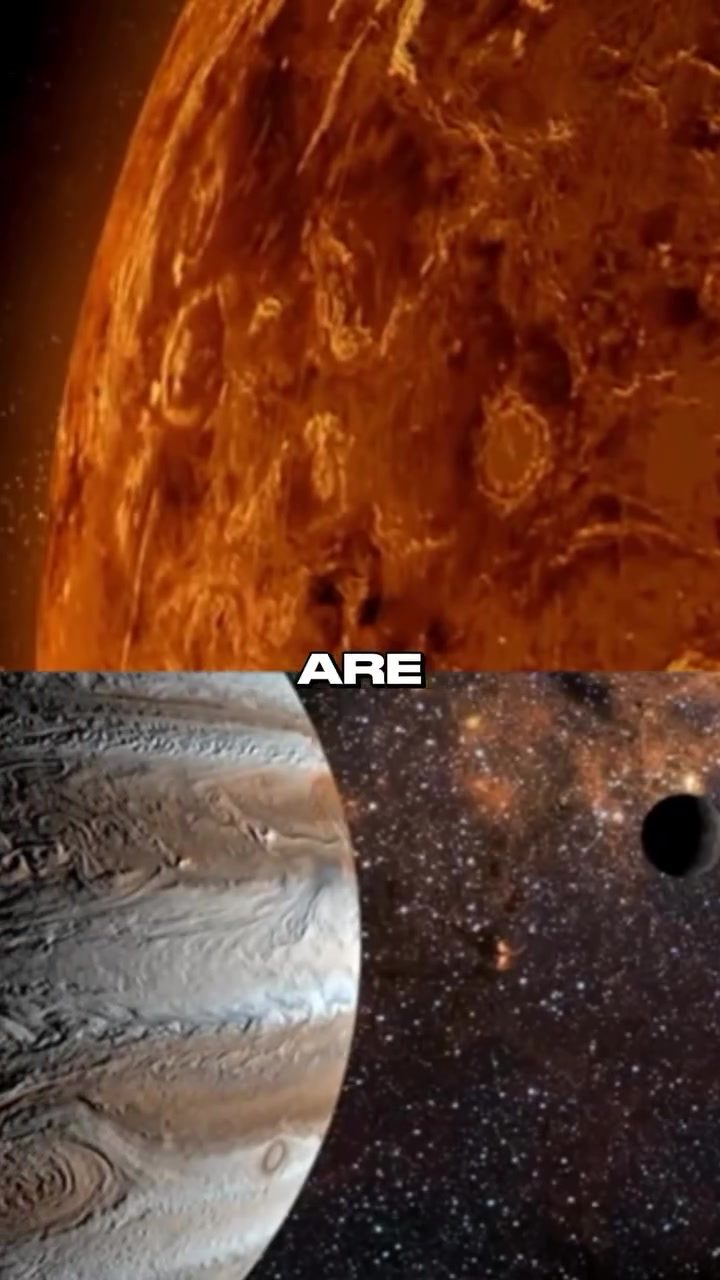
Venus and Jupiter Conjunction: A Cosmic Kiss on the Horizon
Venus and Jupiter, two of the brightest planets in our solar system, are set to align in a rare and spectacular celestial event on June 9th. This Venus-Jupiter conjunction will bring the two planets incredibly close together, appearing just a finger’s width apart in the evening sky. This event is not to be missed, as it promises to be one of the closest and brightest alignments in recent years.
Why This Matters
Planetary conjunctions, where two or more planets appear close to each other in the sky, are fascinating celestial events that have captivated stargazers for centuries. The upcoming conjunction of Venus and Jupiter is particularly exciting because of the rarity and brightness of the event. These two planets are not only easy to spot with the naked eye but also offer a stunning visual display when they come together.
Understanding the Conjunction
The Science Behind the Event
Venus and Jupiter are among the brightest celestial objects in the night sky, making them easy to spot even for casual observers. Every 10 to 15 months, their orbits bring them into close viewing proximity, creating a visual spectacle for sky watchers. This time around, the planets will appear at their closest on June 9th, offering a unique opportunity to witness a cosmic kiss.
How to View the Conjunction
To see the conjunction, find a clear, unobstructed view of the western horizon just after sunset. You don’t need any special equipment; your naked eye will suffice. Hold your arm out in front of you and stretch out your index finger. The two planets will appear separated by just that little finger’s distance. Remember, both planets will be sitting low on the horizon, so it’s important to act quickly before they set.
Weather Considerations
Clear skies are crucial for optimal viewing. Use a reliable weather app, such as the BBC Weather app, to check the forecast for your location. Clouds or haze can obscure the view, so plan accordingly.
Main Discussion
The Importance of Planetary Conjunctions
Planetary conjunctions offer more than just a visual treat; they hold significant importance in astronomy and history. These events have been used for centuries as tools for navigation and have influenced cultural beliefs and traditions. For instance, many ancient civilizations, including the Maya and the Babylonians, used planetary alignments to predict significant events and to guide their agricultural practices.
The Brightest Conjunctions
What makes the upcoming conjunction particularly noteworthy is its brightness. Venus is known for its brilliant, silvery light, while Jupiter shines with a steady, golden glow. When these two planets come together, their combined brightness creates a dazzling display in the sky, making it hard to miss even in urban settings with light pollution.
Historical and Cultural Significance
Historically, conjunctions of Venus and Jupiter have been seen as omens and portents of great events. In astrology, these planetary alignments are believed to bring good fortune, new beginnings, and significant life changes. While the scientific community focuses on the astronomical aspects, the cultural and spiritual significance of these events continues to inspire and intrigue people around the world.
Practical Tips
Finding the Perfect Viewing Spot
Choose a location with a clear view of the western horizon. Avoid tall buildings, trees, or other obstructions that might block your view. If you’re in an urban area, heading to a nearby park or open field can provide a better vantage point. Remember, the closer you are to the horizon, the better your chances of seeing the conjunction.
Using Binoculars or a Telescope
While the conjunction will be visible to the naked eye, using binoculars or a telescope can enhance your experience. Binoculars will help you see the planets more clearly, while a telescope can reveal details like Jupiter’s moons and Venus’s phases.
Important Takeaways
Venus and Jupiter’s upcoming conjunction is a rare and exciting event that offers a unique opportunity to witness a cosmic spectacle. Whether you’re an experienced stargazer or a casual observer, this celestial event is not to be missed. Make sure to check the weather, find a good viewing spot, and enjoy the stunning display of these two brightest planets in the sky.
Conclusion
Venus and Jupiter’s cosmic kiss on June 9th is a remarkable event that highlights the beauty and wonder of our solar system. Whether you’re intrigued by the astronomical significance, the cultural stories, or simply the visual spectacle, this conjunction offers something for everyone. So, mark your calendars, check the weather, and get ready to witness one of the brightest and closest Venus-Jupiter alignments in years.
Questions readers ask
What is a planetary conjunction and why is the Venus-Jupiter conjunction on June 9th special?
A planetary conjunction is when two or more planets appear close to each other in the sky. The Venus-Jupiter conjunction on June 9th is particularly special because these are the brightest planets in the solar system, and they will appear extremely close together, just a finger’s width apart, making it a visually stunning sight.
What is the best time to see the Venus-Jupiter conjunction on June 9th?
The best time to view the Venus-Jupiter conjunction will be during the evening, shortly after sunset. The exact timing can vary depending on your location, so it's a good idea to check a reliable astronomy app or website for precise local information.
Do I need special equipment to view the Venus-Jupiter conjunction?
No special equipment is needed to view the conjunction. It will be visible to the naked eye, making it a great opportunity for both seasoned sky watchers and beginners. However, binoculars or a telescope can enhance the viewing experience by offering a closer look at the planets and their relative positions.
How often do Venus and Jupiter come this close together?
Venus and Jupiter come close together every 15 months, but the proximity and brightness can vary. The June 9th conjunction is notable because the planets will be exceptionally close and bright.
What should I expect to see during the Venus-Jupiter conjunction?
During the conjunction, you will see Venus and Jupiter as two bright points of light in the sky, appearing very close to each other. They will be so close together that you can easily cover both planets with your little finger held at arm's length.
What planet is brighter, Venus or Jupiter?
Venus is typically brighter than Jupiter. Venus is the brightest object in the night sky after the Moon, and it appears as a dazzling white point of light. Jupiter is the next brightest, shining with a steady, yellowish-white light.
Will the conjunction be visible from anywhere on Earth?
The conjunction will be visible from most locations on Earth, but the exact viewing conditions will depend on your local weather and the timing of sunset. Check local weather forecasts and astronomy resources to ensure the best viewing experience.
Related deep dives
Similar reads based on topic and creator.


Recent articles
Fresh deep dives from the latest Reels we unpacked.




Comments
Be the first to comment.