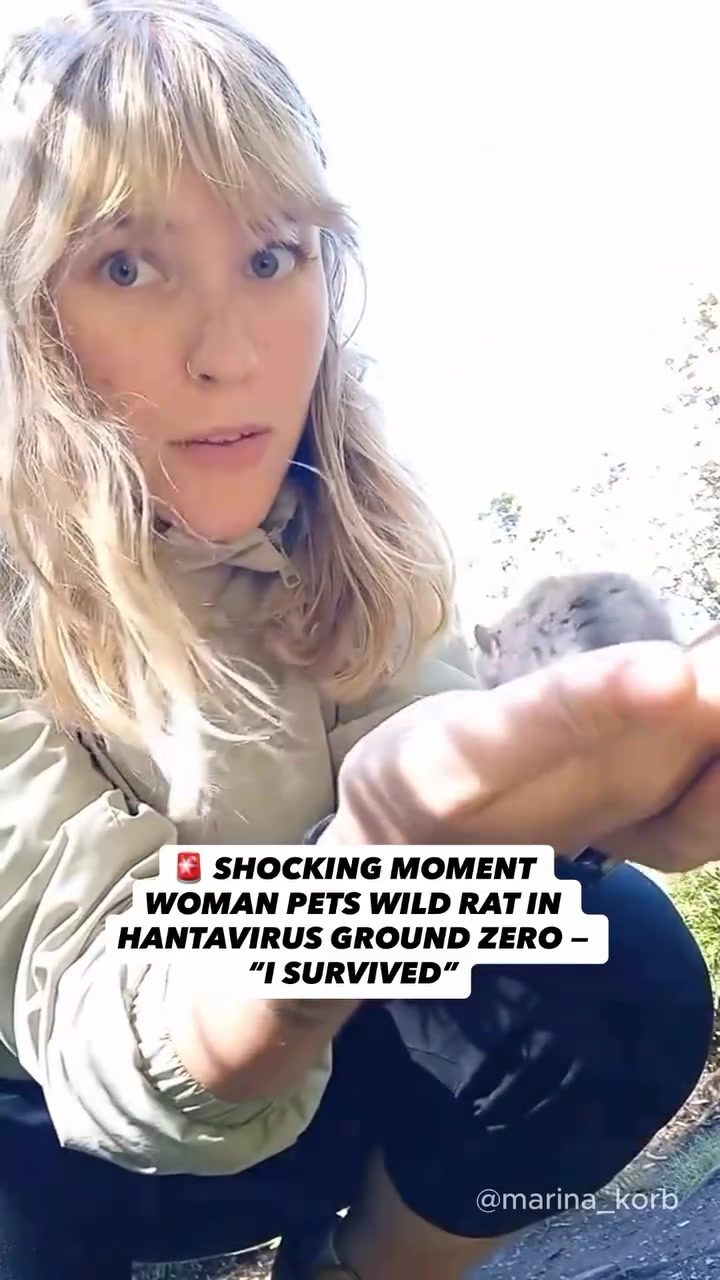
Wild Rat Encounter in Argentina Highlights Hantavirus Risks
A recent incident in Bariloche, Argentina, has gone viral, showcasing a hiker's close encounter with a wild rat. Marina Korb, the woman involved, was casually filming herself picking up, petting, and handling a small, dark-colored rat in a wooded area tied to the Andes strain of hantavirus. This encounter has sparked widespread concern and discussion about the risks associated with handling wild rodents, particularly in regions known for hantavirus outbreaks.
Context / Why this matters
Hantavirus Overview
Hantavirus is a family of viruses spread mainly by rodents, and it can cause hantavirus pulmonary syndrome (HPS) and hantavirus cardiopulmonary syndrome (HCP). The Andes strain, prevalent in Argentina's Patagonia region, is considered one of the deadliest versions of the virus. The virus can be transmitted through rodent saliva, urine, and droppings, making direct contact with infected rodents particularly dangerous.
Bariloche and the Andes Strain
Bariloche, located in the Patagonia region, has a history of hantavirus outbreaks. The area has been dealing with these outbreaks for years, and the Andes strain poses a significant health risk to locals and visitors alike. The colilargo mouse, the specific rodent species involved in the encounter, is known to carry the hantavirus.
Main discussion
The Encounter
Marina Korb's video captures a shocking moment as she interacts with the wild rat. The scene is set in a wooded area, with foliage visible in the background. Korb picks up the rat, allowing it to crawl across her bare hands, seemingly unaware of the potential danger. The text overlays in the video mention the potential hantavirus risk, emphasizing the gravity of the situation.
The Aftermath
Korb later admitted that she had no idea the animal was a colilargo mouse, which is linked to the hantavirus. It was only after learning that people had reportedly died from an outbreak in the area that same week that she realized the seriousness of her actions. Her response to the situation was surprisingly nonchalant, with the caption reading, "Spoiler: I survived."
Public Reaction
The video has garnered a significant amount of attention, with viewers expressing a mix of shock, concern, and bewilderment. Comments range from concerns about the potential for a new pandemic to humorous observations about the rat's behavior. Some viewers were astonished by Korb's calm demeanor, wondering how she could be so unconcerned about the potential health risks. Others jokingly compared the situation to a zombie movie or a plague scenario.
Practical Tips
Avoiding Hantavirus Exposure
To avoid exposure to hantavirus, it is crucial to avoid direct contact with wild rodents and their habitats. If you suspect a rodent infestation in your home or workplace, contact a professional pest control service immediately. Always use gloves and protective gear when handling dead rodents or cleaning areas where rodents have been present.
Staying Alert in High-Risk Areas
When traveling to areas known for hantavirus outbreaks, such as Bariloche and the surrounding Patagonia region, stay alert and informed about the local health risks. Follow these guidelines to minimize your risk:
- Avoid contact with rodents: Do not handle or pet wild rodents, and avoid areas with dense rodent populations.
- Use protective gear: If you must handle rodents or clean areas where rodents have been, use gloves, masks, and other protective gear.
- Practice good hygiene: Wash your hands thoroughly after any potential exposure to rodents or their droppings.
- Stay informed: Keep up-to-date with local health advisories and follow any recommended precautions.
- Seek medical attention: If you experience symptoms such as fever, muscle aches, or shortness of breath after potential exposure, seek medical attention immediately.
What to Do If Exposed
If you suspect you have been exposed to hantavirus, seek medical attention as soon as possible. Early diagnosis and treatment can significantly improve your chances of recovery. Symptoms of hantavirus infection may include:
- Fever
- Fatigue
- Muscle aches
- Headache
- Dizziness
- Chills
- Abdominal problems, such as nausea, vomiting, and diarrhea
- Shortness of breath
- Coughing
Important Takeaways
The incident involving Marina Korb and the wild rat in Bariloche serves as a stark reminder of the potential dangers associated with handling wild rodents, particularly in areas known for hantavirus outbreaks. The Andes strain of the virus, prevalent in the region, can be deadly, and direct contact with infected rodents poses a significant health risk. It is crucial to stay informed, take necessary precautions, and seek medical attention if exposed.
Conclusion
The wild rat encounter in Bariloche highlights the importance of being vigilant and taking necessary precautions when in areas with known hantavirus risks. By understanding the dangers and following practical safety guidelines, you can minimize your risk of exposure and stay safe. Whether you are a local resident or a traveler, staying informed and cautious can help protect you and those around you from this potentially deadly virus.
Questions readers ask
What is the Andes strain of hantavirus and why is it concerning?
The Andes strain of hantavirus is a specific type of hantavirus that is prevalent in Argentina's Patagonia region. It is concerning because it can cause severe, sometimes fatal, respiratory diseases such as hantavirus pulmonary syndrome (HPS) and hantavirus cardiopulmonary syndrome (HCP). It is particularly dangerous because it can spread from person to person, unlike other strains that typically spread only from rodents to humans.
What should you do if you encounter a wild rat in a hantavirus risk area?
If you encounter a wild rat in a hantavirus risk area, it is crucial to avoid handling or interacting with the rodent. Do not attempt to touch it, pet it, or pick it up. Maintain a safe distance and, if necessary, contact local authorities or wildlife professionals for assistance. Also, report the encounter to local health officials to help monitor potential outbreaks.
What are some hantavirus prevention tips when in areas like Bariloche?
To prevent hantavirus infection in areas like Bariloche, follow these guidelines: avoid contact with wild rodents, keep food sealed and store it at least 15 cm off the ground, and use rodent-proof containers for food storage. Additionally, ensure your living or camping areas are clean and free of potential rodent habitats. If you suspect rodent infestation, take necessary precautions and report it to local authorities.
How is hantavirus typically transmitted to humans?
Hantavirus is typically transmitted to humans through contact with infected rodents or their droppings, urine, or saliva. This can happen through direct contact, such as handling a rodent, or indirectly, such as inhaling contaminated dust or aerosols. The Andes strain, in particular, can also spread from person to person through close contact, making it even more dangerous.
What are the symptoms of hantavirus infection?
Symptoms of hantavirus infection can take up to five weeks to appear and may initially mimic the flu, including fever, fatigue, and muscle aches. However, as the disease progresses, it can cause severe respiratory symptoms such as coughing and shortness of breath, leading to potentially life-threatening conditions like hantavirus pulmonary syndrome (HPS) or hantavirus cardiopulmonary syndrome (HCP). If you experience these symptoms after potential exposure, seek medical attention immediately.
Are there specific areas in Argentina known for hantavirus outbreaks?
Yes, certain areas in Argentina, particularly in the Patagonia region, are known for hantavirus outbreaks. Bariloche, for example, is a notable hantavirus zone due to the prevalence of the Andes strain. Travelers and residents in these areas should be particularly cautious and follow safety guidelines to minimize the risk of infection.
What should you do if you suspect a hantavirus outbreak?
If you suspect a hantavirus outbreak, it is important to report it to local health authorities immediately. Provide them with details about the suspected cases, your location, and any relevant information. In the meantime, take precautions to avoid exposure, such as avoiding contact with wild rodents, keeping living areas clean, and storing food properly. Healthcare professionals may be able to advise further on specific actions to take.
Related deep dives
Similar reads based on topic and creator.

Recent articles
Fresh deep dives from the latest Reels we unpacked.




Comments
Be the first to comment.