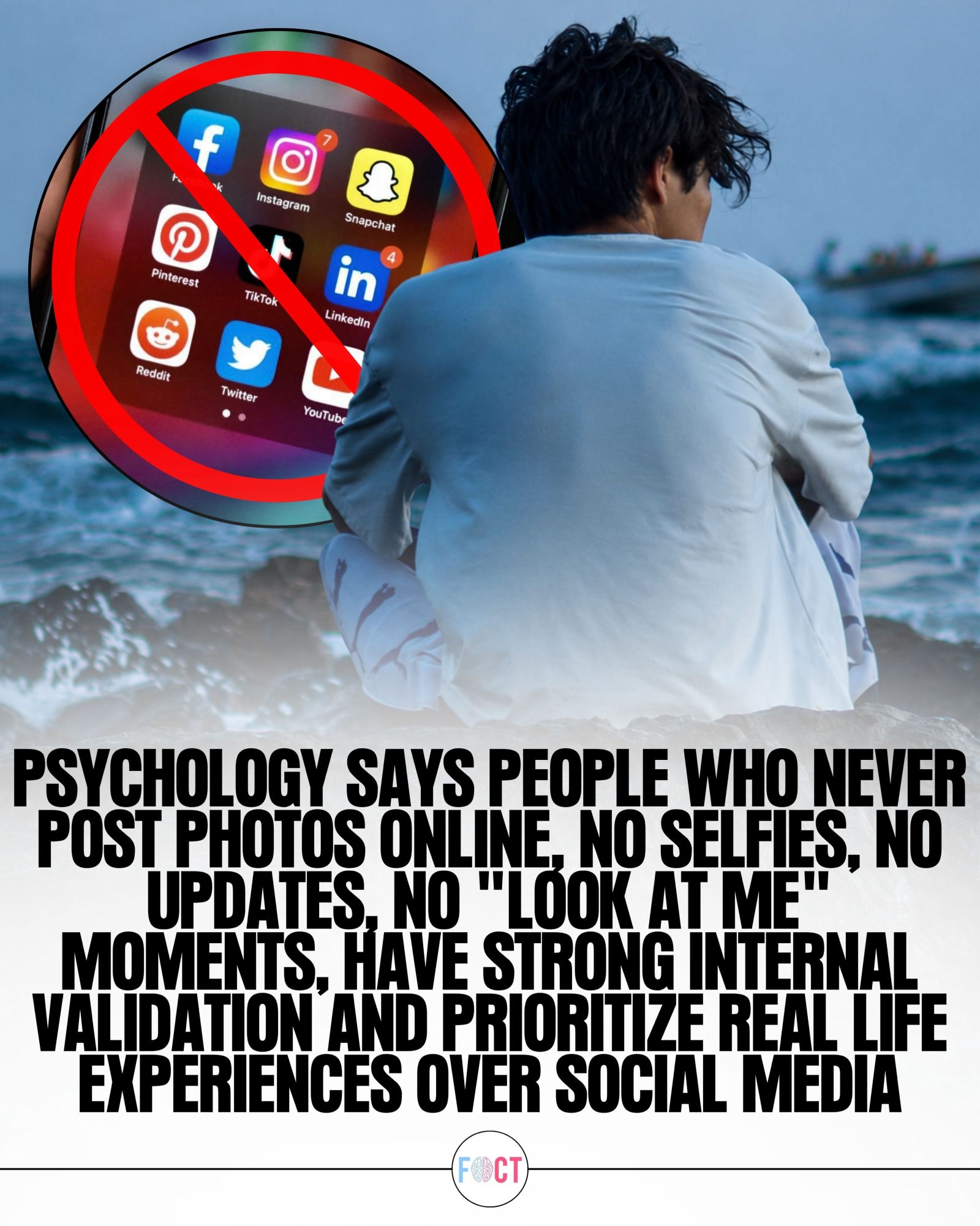
What Psychological Research Says About Those Who Don't Post on Social Media
The concept of internal validation is often discussed in relation to social media use. Internal validation refers to the ability to find self-worth and satisfaction from within, rather than relying on external feedback. People who don't regularly post on social media may have a strong sense of internal validation, which can significantly influence their psychological well-being and daily life experiences.
Why This Matters
Social media has become an integral part of many people's lives, altering how we interact, communicate, and even find meaning. However, the impact of social media on mental health is a topic of ongoing debate. Understanding the psychology behind why some people choose to limit their online presence can provide valuable insights into maintaining a balanced and fulfilling life. This matters because it touches on crucial aspects of self-identity and how individuals navigate the digital world.
Internal Validation and the Psychology of Social Media
Internal validation is rooted in the idea that individuals derive a sense of self-worth from their personal values, accomplishments, and internal beliefs. This stands in contrast to external validation, which relies on feedback from others, such as likes, comments, or approval.
The concept of an internal locus of control is central to self-determination theory. People with a strong internal locus of control believe they have influence over their lives and outcomes, rather than being controlled by external factors. This mindset aligns well with those who don’t rely on social media for validation. They understand that their self-worth is not dependent on external approval, which can lead to a more stable sense of identity.
In contrast, social media platforms are designed to reinforce behavior through instant feedback. Users receive immediate gratification in the form of likes, shares, and comments, which can create a cycle of seeking external validation. However, this constant need for validation can be detrimental to mental health, fostering anxiety, and a sense of inadequacy.
The Impact of Social Media
One of the significant impacts of social media is the constant comparison to others. Social media presents a curated view of people's lives, often highlighting their best moments. This can lead to feelings of inadequacy and dissatisfaction with one's own life. Those who prioritize real-life experiences over documenting them on social media may avoid this constant comparison, leading to a more positive sense of self.
Moreover, constantly recording moments can shift attention away from the experience itself. When individuals are too focused on capturing the perfect photo or video, they may miss out on the actual enjoyment of the moment. People who don't post on social media may be more present in real-life experiences, leading to deeper engagement with daily life and relationships.
Mindfulness and Real-Life Experiences
Mindfulness involves being fully present and engaged in the current moment. This practice can enhance overall well-being and reduce stress. Those who stay less active online may be more mindful, focusing on their immediate surroundings and interactions. This approach can lead to more meaningful connections and a greater appreciation for life's moments. They are not distracted by the need to document everything and can truly immerse themselves in the present.
Social Media and Identity
Social media can also influence how individuals form and maintain their sense of identity. Those who stay less active online may rely more on internal factors to shape their self-image and self-worth. This internal locus of control can provide a stable foundation, as it is not dependent on the fluctuating opinions and reactions of others. By focusing on their own values and personal goals, these individuals may develop a more authentic and resilient sense of self.
Practical Tips for Balancing Social Media Use
While the benefits of reducing social media use are clear, it's essential to find a balance that works for you. Here are some practical tips:
-
Set Boundaries: Allocate specific times for checking social media and stick to them. This helps to prevent social media from consuming too much of your time and attention.
-
Prioritize Real-Life Experiences: Engage in activities that bring you joy and fulfillment in real life, not just on your screen. Whether it's spending time with loved ones, pursuing hobbies, or simply enjoying nature, these experiences can enrich your life in ways that social media cannot.
-
Practice Mindfulness: Focus on being present in the moment. When you're with friends or family, put away your phone and engage fully in the conversation and interaction.
-
Evaluate Your Self-Worth: Reflect on what truly matters to you. Understand that your value as a person is not determined by the number of likes or followers you have, but by your own beliefs, goals, and achievements.
-
Seek Internal Validation: Cultivate a sense of self-worth that comes from within. Trust your instincts, set personal goals, and strive to achieve them based on your values and aspirations.
Important Takeaways
People who don't post on social media often have strong internal validation and prioritize real-life experiences over digital performance. This approach can lead to a more stable sense of identity, reduced pressure from comparison, and deeper engagement with daily life and relationships. While social media offers many benefits, it's essential to find a balance that aligns with your values and well-being.
Conclusion
The psychology of social media usage reveals that those who choose to stay less active online may have a deeper understanding of self-worth and a stronger sense of identity. By prioritizing real-life experiences and practicing mindfulness, individuals can enjoy a more fulfilling and balanced life. Whether you're actively engaged on social media or prefer to stay offline, it's crucial to remember that self-worth comes from within, not from external validation.
Questions readers ask
What are the benefits of avoiding posting on social media?
Avoiding posting on social media can help individuals prioritize real-life experiences, enhance self-worth, and reduce dependence on online validation. This shift can lead to a more balanced life and a stronger sense of self, as people find satisfaction from within rather than seeking external approval.
How does a social media detox contribute to personal growth?
A social media detox can foster personal growth by encouraging individuals to engage more deeply with real-life experiences. By reducing screen time, people may rediscover hobbies, strengthen personal relationships, and develop a stronger sense of self-worth, all of which contribute to personal growth.
What does internal validation mean and why is it important?
Internal validation is the ability to derive self-worth and satisfaction from within, rather than relying on external feedback such as likes or comments. It is particularly important because it helps individuals maintain a positive sense of self, even when external validation is lacking, thus promoting mental well-being and resilience in daily life experiences.
Why might some people choose to limit their social media use?
Some people choose to limit their social media use to prioritize personal values and real-life interactions over online engagement. This choice can lead to a more meaningful life, as individuals focus on activities and relationships that align with their personal values and bring genuine fulfillment.
How can reducing social media use improve mental health?
Reducing social media use can improve mental health by decreasing exposure to negative comparisons, cyberbullying, and the constant pressure to seek validation online. This shift allows individuals to cultivate a more positive self-image, build stronger real-life connections, and enjoy life's experiences more fully without constant digital distractions.
What are the psychological benefits of less social media engagement?
The psychological benefits of less social media engagement include improved self-worth, reduced anxiety, and a greater sense of personal fulfillment. By focusing more on real-life experiences and personal values, individuals can enhance their mental health, build stronger relationships, and experience a more balanced life.
Can avoiding posting on social media reduce stress?
Yes, avoiding posting on social media can reduce stress by minimizing the pressure to present a perfect image online and decreasing the emotional impact of negative comments or lack of engagement. This allows individuals to focus on self-acceptance and real-life experiences, ultimately contributing to a more relaxed and fulfilling lifestyle.
Recent articles
Fresh deep dives from the latest Reels we unpacked.




Comments
Be the first to comment.