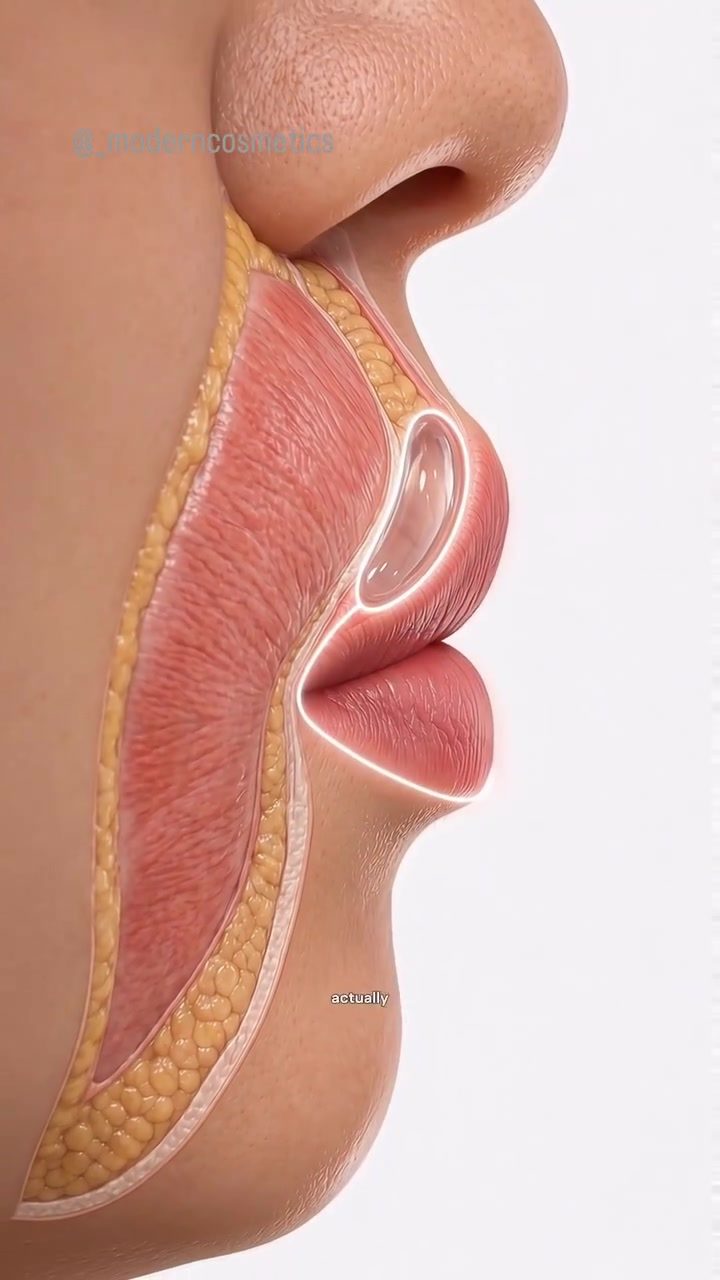
Lip Filler Procedures and the Truth About Duck Lips
The term "duck lips" has become a popular way to describe lips that appear overly projected, overfilled, or disproportionate to the rest of the face, but it's not a medical term. Understanding what causes this appearance involves diving into the specifics of lip filler procedures and the factors that influence the final outcome.
Context / Why this matters
Lip filler procedures have become increasingly common, with many people seeking fuller lips for cosmetic reasons. However, achieving a natural and balanced look requires a nuanced understanding of various factors. The final shape of the lips can be influenced by several key elements, including:
- Where the product is placed
- The depth of placement
- The type and amount of product used
- The person’s natural lip anatomy
Main discussion
Factors Influencing Lip Shape
Placement and Depth
The placement and depth of the filler are crucial in determining the final shape of the lips. Even a small amount of filler placed in the wrong location can significantly alter the projection and shape of the lips. For instance, injecting filler too superficially can cause a ballooning effect, while placing it too deeply might not achieve the desired volume.
Product Type and Amount
The type of filler used and the amount injected also play a significant role. Different fillers have varying viscosities and durability, which can affect the outcome. For example, hyaluronic acid fillers are commonly used due to their biocompatibility and reversibility. The amount of filler used must be carefully calculated to avoid overfilling, which can lead to an unnatural appearance.
Natural Lip Anatomy
One of the most important factors is the person’s natural lip anatomy. Everyone's lips have unique structures, including the vermillion border, Cupid's bow, and philtrum. Understanding these natural features is essential for achieving a balanced and proportional enhancement.
Common Misconceptions
A common myth is that "duck lips" are always caused by too much filler. While excessive filler can contribute to this appearance, it's not the only factor. The shape of the lips can be influenced by the depth and location of the filler, the type of product used, and the individual's natural anatomy. Even a small amount of filler placed incorrectly can lead to an unnatural look.
Balancing Techniques
Good outcomes in lip filler procedures are not just about the volume of filler injected. They involve a combination of technical skill, artistic vision, and a deep understanding of facial anatomy. At Modern Cosmetics, the focus is on lip enhancement that respects facial balance, anatomy, and natural proportions. This approach ensures that the enhanced lips blend seamlessly with the rest of the face, creating a harmonious and natural appearance.
The Role of Experience
Experience and expertise are critical in lip filler procedures. At Modern Cosmetics, the team understands that each person's anatomy is unique, and a one-size-fits-all approach does not work. They focus on customizing the treatment to suit individual anatomy, ensuring that the final result is both natural and flattering.
Practical tips
Choosing a Provider
When considering lip filler procedures, it's essential to choose a reputable and experienced provider. Look for a provider who:
- Has extensive experience in lip filler procedures
- Uses high-quality, FDA-approved fillers
- Provides a comprehensive consultation to discuss your goals and expectations
- Offers a clear aftercare plan
Pre- and Post-Care
Preparation and aftercare are crucial for achieving the best results. Before the procedure:
- Avoid blood-thinning medications and supplements, as they can increase the risk of bruising
- Stay hydrated and maintain a healthy diet
- Avoid alcohol and smoking to promote better healing
After the procedure:
- Apply ice to the area to reduce swelling
- Follow the provider's aftercare instructions carefully
- Avoid strenuous activities and exposure to extreme temperatures
Customizing the Treatment
Customization is key in lip filler procedures. Discuss your goals and expectations with your provider to ensure that the treatment plan is tailored to your unique anatomy and desired outcome. This includes considering the type and amount of filler, as well as the placement and depth of injection.
Important takeaways
- Lip filler procedures involve multiple factors, including placement, depth, product type, amount, and natural lip anatomy.
- Achieving natural and balanced results requires a nuanced understanding and technical skill.
- Choosing an experienced and reputable provider is crucial for achieving the best outcomes.
- Customization and careful planning are essential for a successful lip filler procedure.
Conclusion
Understanding the factors that influence the final shape of lips after a filler procedure is key to achieving a natural and balanced look. By carefully considering where and how the filler is placed, the type and amount of product used, and the individual's natural lip anatomy, providers can create a harmonious and flattering enhancement. If you're considering a lip filler procedure, prioritize choosing an experienced provider who understands the importance of these factors and can tailor the treatment to your unique anatomy.
Questions readers ask
What are the most common causes of duck lips after a lip filler procedure?
Duck lips often result from improper placement of the filler, either too much product in the front of the lips, or placing the filler too superficially. Other causes include overfilling, using a filler that's too thick, or not considering the individual's natural lip anatomy. Additionally, the technique used by the practitioner can significantly impact the outcome, and poor technique can result in unnatural, puffy-looking lips.
How can the depth and location of lip filler placement affect the final appearance?
The depth and location of lip filler placement are crucial in achieving natural-looking results. Placing the filler too superficially can lead to lumps and bumps, while placing it too deeply may result in a lack of definition. The location matters as well—filler placed too far forward can cause excessive projection, leading to the duck lips effect.
What types of lip fillers are commonly used, and can they influence the risk of duck lips?
Common lip fillers include hyaluronic acid-based products, which can vary in thickness and viscosity. Thicker fillers may carry a higher risk of causing duck lips if not used and placed correctly. The amount of filler used also plays a role; using too much, regardless of the type, can result in an overfilled, unnatural appearance.
What are some potential side effects and complications of lip filler procedures?
Potential side effects and complications of lip filler procedures can include swelling, bruising, and asymmetry. More serious complications include vascular occlusion, which can restrict blood flow, and granulomas, which are small lumps that can form under the skin. In some cases, improper technique can lead to permanent damage, such as nerve injury or scarring.
How can I minimize the risks of complications, including duck lips, from a lip filler procedure?
To minimize risks, it's essential to choose an experienced and reputable practitioner. During your consultation, discuss your desired outcome, and ask about the specific techniques and types of fillers they use. Make sure to communicate openly about any concerns, and post procedure, follow all aftercare instructions, including avoiding pressure or trauma to the treated area.
What should I expect in terms of lip filler before and after appearance?
After a lip filler procedure, initial swelling and bruising are common and should subside within a few days to a week. The final results, including the shape, volume, and symmetry of the lips, should be visible once the swelling has diminished. Properly placed fillers should enhance the natural lip anatomy, providing a fuller, more defined appearance without the overfilled or disproportionate look associated with duck lips.
What are the signs of overfilled lips, and what should I do if I suspect I have them?
Signs of overfilled lips include excessive volume, a tubular or sausage-like shape, and a lack of natural definition. If you suspect you have overfilled lips, it's important to contact your practitioner immediately. In some cases, the filler can be dissolved using an enzyme called hyaluronidase, but this should only be done by a qualified professional. In future sessions, be sure to communicate your concerns and desired adjustments clearly.
Recent articles
Fresh deep dives from the latest Reels we unpacked.




Comments
Be the first to comment.