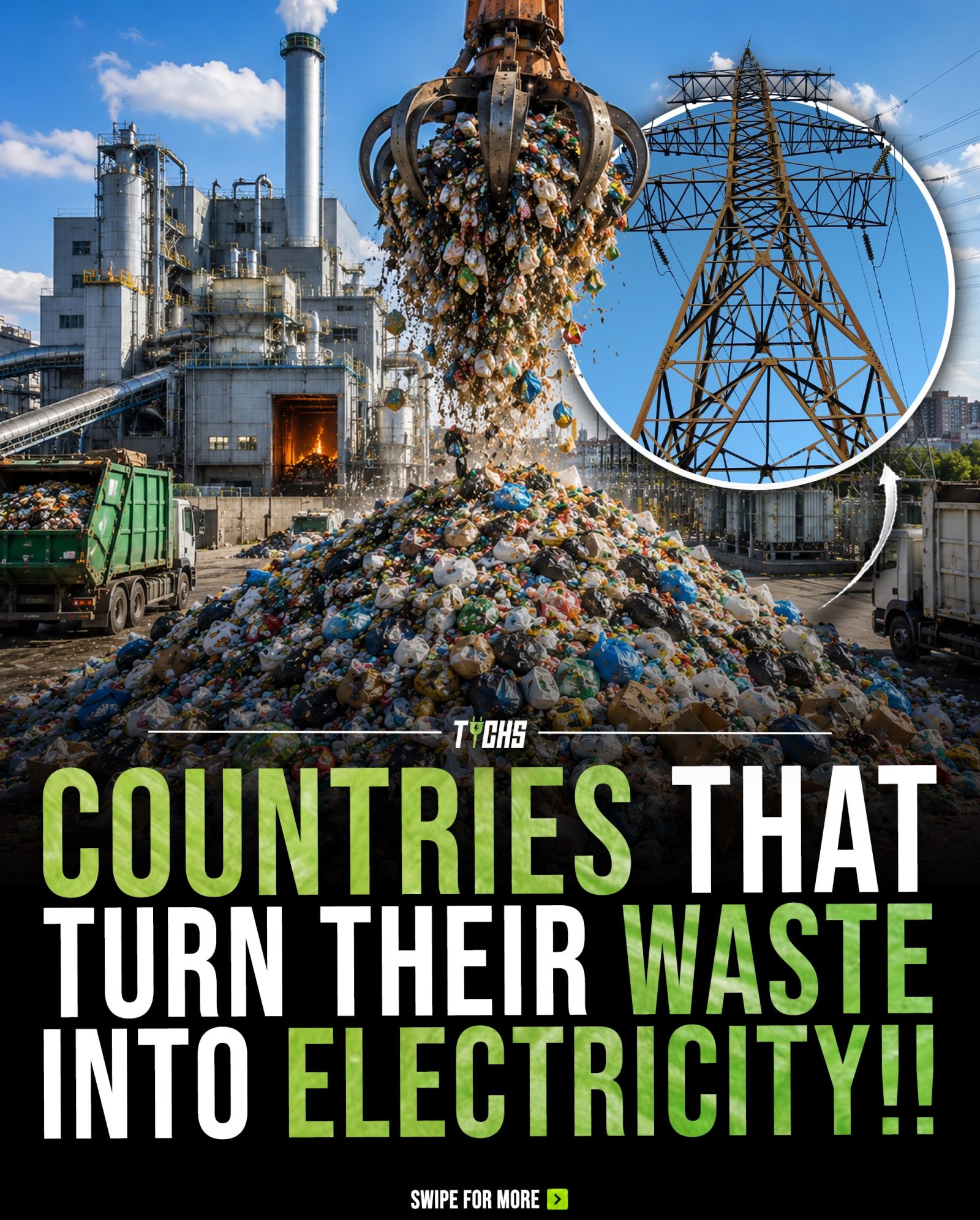
Waste-to-Energy Conversion: Turning Garbage into Power
The conversion of waste into energy is a cutting-edge process that transforms non-recyclable waste into electricity and heat, significantly reducing the amount of waste sent to landfills. This innovative approach is gaining traction in various countries, including Denmark, Sweden, Japan, Finland, and Ireland. Waste-to-energy plants are at the heart of this revolution, using advanced technology to convert waste into a valuable resource.
Why This Matters
As global waste production continues to rise, finding sustainable solutions for waste management is crucial. Waste-to-energy conversion offers a practical and environmentally-friendly approach to managing waste. By converting non-recyclable waste into energy, these plants help reduce the volume of waste in landfills, decrease greenhouse gas emissions, and generate renewable energy. This process not only supports modern waste management systems but also contributes to a more sustainable future.
Understanding Waste-to-Energy Conversion
The Process
Waste-to-energy plants use a variety of technologies to convert waste into energy. The most common methods include incineration, gasification, and anaerobic digestion. In incineration, waste is burned at high temperatures to produce heat, which is then used to generate electricity. Gasification involves heating waste in a low-oxygen environment to produce syngas, a mixture of gases that can be used to generate electricity. Anaerobic digestion uses microorganisms to break down organic waste, producing biogas that can be converted into electricity.
Key Players
Several countries are leading the way in waste-to-energy conversion. Sweden, for example, recovers almost 99% of its household waste through this process. Finland follows closely, recovering energy from 51% of its municipal waste. These countries have implemented advanced waste management systems that integrate recycling, energy recovery, and efficient waste treatment, setting a global standard for sustainable waste management.
Environmental Benefits
Waste-to-energy conversion offers numerous environmental benefits. By reducing the amount of waste sent to landfills, these plants help decrease methane emissions, a potent greenhouse gas. Additionally, the energy produced from waste can offset the need for fossil fuels, further reducing carbon emissions. This process also helps conserve natural resources by reducing the demand for raw materials that would otherwise be used to produce energy.
Countries Leading the Way
Several countries are at the forefront of waste-to-energy conversion. Sweden, known for its advanced waste management systems, is a pioneer in this field. Sweden's waste-to-energy plants are highly efficient, converting almost all household waste into energy. Finland is another leader, recovering energy from more than half of its municipal waste. These countries serve as models for other nations looking to implement similar systems.
Practical Tips
If you're interested in supporting waste-to-energy initiatives, there are several practical steps you can take:
Support Local Initiatives
Look for local waste-to-energy projects in your community and support them. This could involve attending local meetings, advocating for waste-to-energy policies, or even volunteering your time and skills.
Reduce, Reuse, Recycle
While waste-to-energy conversion is a valuable solution, reducing, reusing, and recycling waste should still be a priority. By minimizing the amount of waste produced, we can further reduce the environmental impact of waste management.
Stay Informed
Stay up-to-date on the latest developments in waste-to-energy technology. Join online communities, follow industry leaders, and engage in discussions about sustainable waste management.
Encourage Innovation
Support research and development in waste-to-energy technologies. Encourage innovation by investing in companies that are developing new and improved methods for waste-to-energy conversion. By driving progress in this field, we can create more efficient and sustainable solutions for waste management.
Important Takeaways
Waste-to-Energy and Sustainability
Waste-to-energy conversion is a critical component of sustainable waste management. By turning waste into a valuable resource, these plants help reduce landfill waste, decrease greenhouse gas emissions, and generate renewable energy.
Global Impact
The global adoption of waste-to-energy conversion technologies has the potential to significantly reduce the environmental impact of waste management. Countries like Sweden and Finland are leading the way, demonstrating the feasibility and benefits of this approach.
Future Prospects
As waste-to-energy technology continues to advance, its potential to transform waste management systems will only grow. By embracing this innovative solution, we can create a more sustainable and environmentally-friendly future.
Conclusion
Waste-to-energy conversion is a groundbreaking solution for managing waste sustainably. By transforming non-recyclable waste into electricity and heat, these plants play a vital role in reducing landfill waste, decreasing greenhouse gas emissions, and generating renewable energy. As more countries adopt this technology, we can look forward to a future where waste is no longer a problem but a valuable resource. By supporting waste-to-energy initiatives, we can contribute to a more sustainable and environmentally-friendly world.
Questions readers ask
Which countries are leaders in waste-to-energy conversion?
Denmark, Sweden, and Japan are among the leading countries in waste-to-energy conversion. These countries have implemented advanced waste-to-energy plants that efficiently transform non-recyclable waste into electricity and heat, significantly reducing the amount of waste sent to landfills.
How does waste-to-energy conversion help the environment?
Waste-to-energy conversion reduces greenhouse gas emissions by decreasing the amount of waste in landfills, which produce methane, a potent greenhouse gas. It also promotes renewable energy generation by converting non-recyclable waste into electricity and heat, contributing to a cleaner and more sustainable environment.
What role do waste-to-energy plants play in sustainable waste management?
Waste-to-energy plants are crucial in sustainable waste management. They utilize advanced technology to convert waste into a valuable resource, reducing landfill usage and helping to manage the increasing amounts of waste produced globally. This process supports the transition to a more circular economy.
What is the waste-to-energy process in Denmark?
Denmark's waste-to-energy process involves advanced incineration technology that converts waste into energy. The country aims to reduce waste sent to landfills by 99% by 2030, with at least half of the waste being converted into energy. This process is part of a broader strategy to achieve a zero-waste society.
How does Sweden's waste-to-energy initiative compare to other countries?
Sweden is renowned for its efficient waste-to-energy program, which diverts 99% of household waste from landfills. The country's waste-to-energy plants convert waste into electricity and heat for district heating, making it a model for sustainable waste management. Only 1% of Sweden's waste ends up in landfills, demonstrating the effectiveness of its waste-to-energy initiatives.
What is the primary benefit of waste-to-energy conversion in Japan?
Japan's waste-to-energy conversion process primarily benefits from reducing the volume of waste sent to landfills, which is a pressing issue due to the country's limited land resources. The conversion process turns waste into a valuable energy resource, which is essential for Japan’s sustainable waste management strategy and energy security.
Related deep dives
Similar reads based on topic and creator.

Recent articles
Fresh deep dives from the latest Reels we unpacked.




Comments
Be the first to comment.