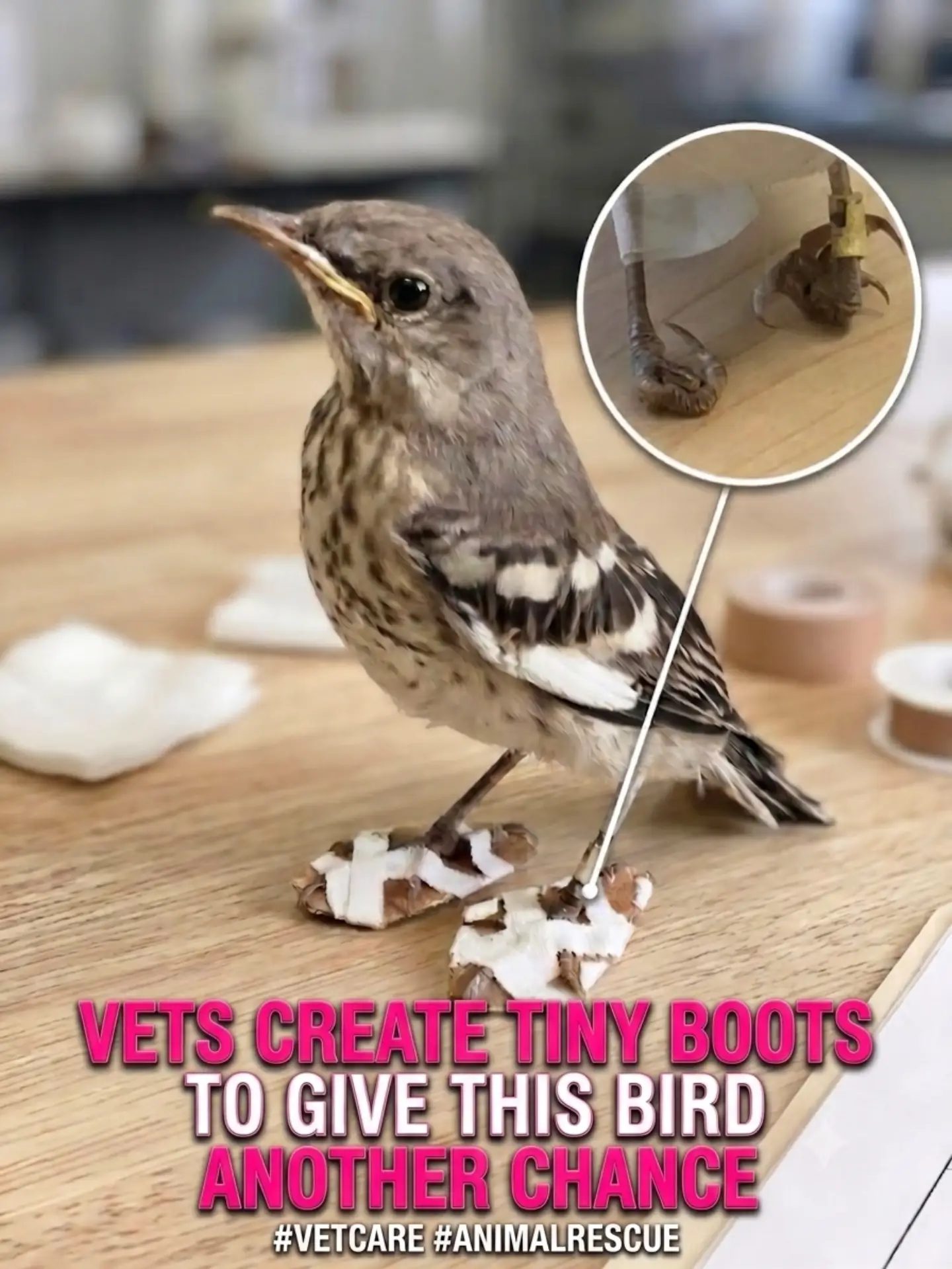
Tiny bird with injured foot
Wildlife rehabilitators and veterinarians play a crucial role in the care and recovery of injured wild birds. One common issue they encounter is knuckled or curled toes, which can be caused by nutritional deficiencies, trauma, or developmental issues. This condition is particularly prevalent in young birds and, if left untreated, can lead to permanent deformity and an inability to stand, walk, or perch normally. Fortunately, a simple yet effective non-invasive treatment method has proven highly successful in such cases. This solution involves the creation of custom orthopedic snowshoe-like splints for the bird's injured foot.
Why this matters
The rehabilitation of wild birds is not just about providing immediate relief; it is a critical step in ensuring the long-term survival and health of these creatures. The ultimate goal is to release the birds back into the wild with the ability to function as naturally as possible. This involves not only treating immediate injuries but also addressing underlying conditions that could affect the bird's quality of life post-recovery.
The creation and use of custom orthopedic snowshoe-like splints
Materials and design
The custom orthopedic snowshoe-like splints are typically crafted from stiff cardboard or plastic bases wrapped in medical tape. These materials are chosen for their durability and flexibility, allowing the splints to be molded to fit the bird's foot perfectly. The design is simple yet ingenious: it forces the bird's toes into a flat, natural extension, redistributing the bird's weight evenly across the foot. This weight redistribution is essential for preventing further injury and promoting healing in the correct anatomical position.
The healing process
The process of healing for a bird with an injured foot involves several stages. Initially, the splints are applied to stabilize the foot and prevent further damage. Over time, the bird's toes are gradually forced into a flat, natural extension, which allows the muscles and tendons to heal correctly. This non-invasive treatment helps to redistribute the bird's weight evenly, enabling it to stand, walk, and eventually perch normally. By the end of the treatment, the bird should be able to perform all these activities without pain or discomfort, which is critical for its ultimate release back into the wild.
Monitoring and care
Throughout the healing process, the bird is closely monitored by wildlife rehabilitators and veterinarians. Regular check-ups ensure that the splints are functioning correctly and that there are no signs of infection or further injury. The care team makes adjustments to the splints as needed, ensuring that the bird's foot continues to heal in the correct anatomical position.
Release back into the wild
Once the bird has fully recovered, it is prepared for release back into the wild. The process involves several steps, including acclimatization to natural conditions and ensuring that the bird can forage and fly independently. The ultimate goal is for the bird to return to its natural habitat with no lasting effects from its injury, thanks to the meticulous care and treatment provided during its recovery.
Practical tips for wildlife care
Identifying injuries in wild birds
Wildlife rehabilitators and veterinarians often encounter birds with various injuries, including knuckled or curled toes. To identify these conditions, it's essential to look for signs such as:
- A bird that is unable to stand or walk normally.
- A bird that is favoring one foot over the other.
- A bird with visible deformities or swelling in the foot or toes.
Immediate care and stabilization
If you encounter a wild bird with an injured foot, it's crucial to stabilize the injury as quickly as possible. Here are some steps you can take:
-
Safety First: Approach the bird cautiously and ensure your own safety. Birds can be frightened and may try to fly away or defend themselves.
-
Gentle Handling: Handle the bird gently to prevent further injury. Use a towel or blanket to wrap the bird, ensuring it feels secure and minimizing stress.
-
Contact a Professional: Immediately contact a local wildlife rehabilitator or veterinarian who has experience in treating wild birds. They can provide the necessary care and treatment.
Supporting the rehabilitation process
For those involved in wildlife rehabilitation, it's essential to understand the importance of providing a safe and comfortable environment for the bird during its recovery. This includes:
- Ensuring proper nutrition and hydration.
- Providing a clean and spacious enclosure.
- Regularly monitoring the bird's progress and making adjustments to the treatment plan as needed.
- Ensuring that the bird receives the necessary medical attention from a veterinarian.
Important takeaways
The rehabilitation of injured wild birds is a complex process that requires specialized knowledge and care. By using custom orthopedic snowshoe-like splints, wildlife rehabilitators and veterinarians can effectively treat injuries such as knuckled or curled toes, ensuring that the bird can stand, walk, and perch normally. This non-invasive treatment method is highly effective and plays a crucial role in the ultimate release of the bird back into the wild.
Conclusion
The care and rehabilitation of injured wild birds involve several steps, from identifying the injury to providing the necessary treatment and monitoring the bird's progress. The use of custom orthopedic snowshoe-like splints has proven to be an effective method for treating knuckled or curled toes, allowing the bird to heal correctly and return to its natural habitat. By following these guidelines and seeking professional help when needed, you can play a vital role in the conservation and rehabilitation of wild birds.
Questions readers ask
What are the most common causes of curled toes in birds?
Curl toes in birds, often referred to as knuckled or curled toes, are typically caused by nutritional deficiencies, trauma, or developmental issues. These can lead to permanent deformity, affecting a bird's ability to stand, walk, or perch.
How do custom orthopedic boots help in the recovery of injured birds?
Custom orthopedic boots, or splints, help redistribute the bird's weight, promoting healing of the affected foot. They are lightweight, non-invasive, and designed to prevent permanent deformity.
Who creates these orthopedic boots for injured birds?
Veterinarians and wildlife rehabilitators work together to craft these tiny, custom orthopedic boots. They use their expertise in animal care and specific needs of each bird to create effective solutions.
Why is early intervention crucial for birds with curled toes?
Early intervention is vital because if left untreated, curled toes can lead to permanent deformity. This can severely impact a bird's ability to perform natural behaviors, such as walking, standing, and perching, which can affect their quality of life in the wild.
What materials are used to make these custom orthopedic boots?
Veterinarians and wildlife rehabilitators use lightweight materials to create these boots. These materials are specifically chosen for their comfort and durability to ensure the boots support healing without causing additional discomfort to the bird.
How are these bird boots designed to support various bird species?
The design of these boots takes into account the specific needs of each bird species. The boots are custom-made to fit the unique anatomy and weight distribution of each bird. They are designed to be lightweight and non-invasive to ensure comfort and effectiveness.
Related deep dives
Similar reads based on topic and creator.

Recent articles
Fresh deep dives from the latest Reels we unpacked.




Comments
Be the first to comment.