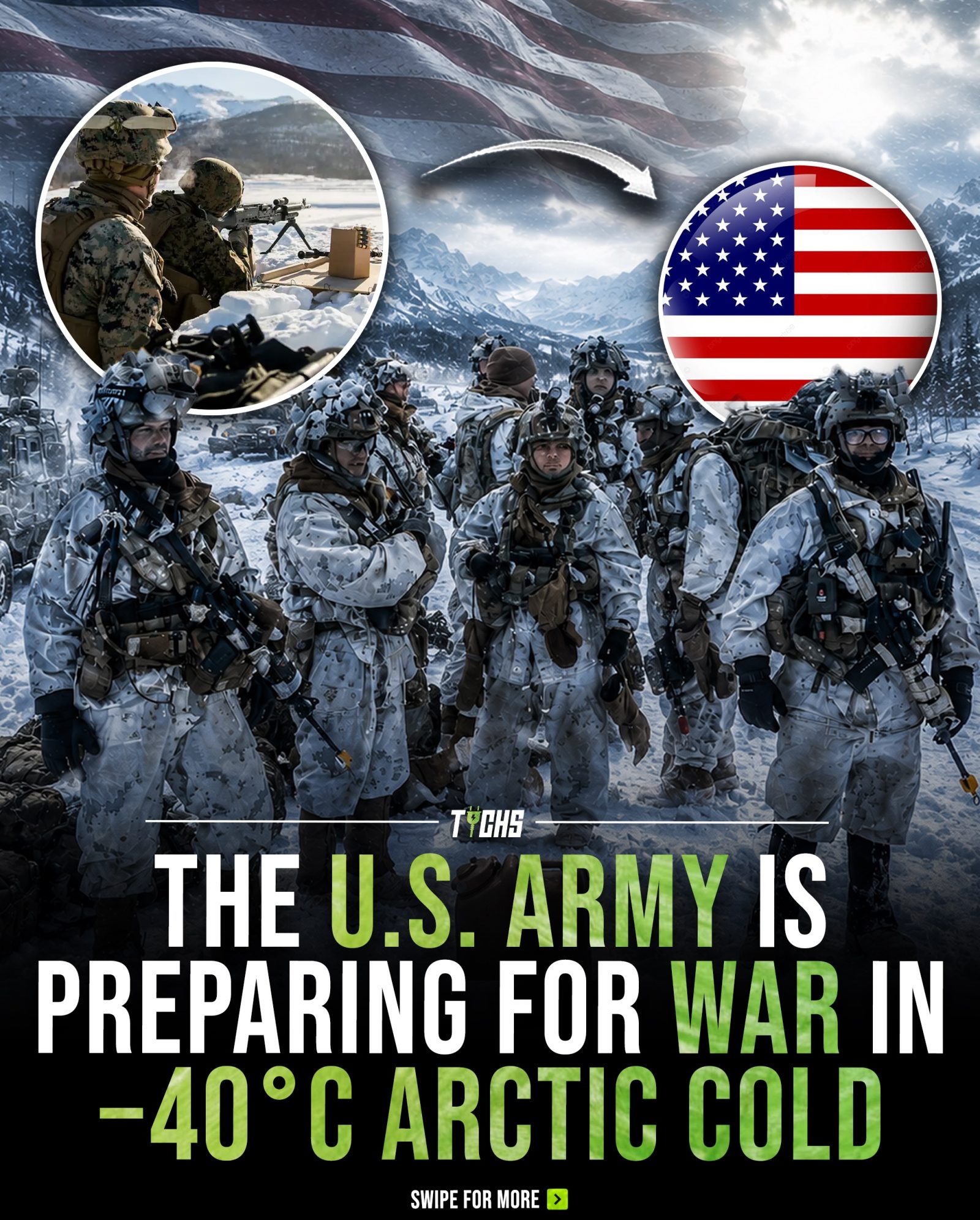
U.S. Army Arctic Training
The United States Army is intensifying its Arctic warfare training, driven by the changing dynamics of the region. Melting ice, new shipping routes, and escalating geopolitical tensions are transforming the Arctic into a critical strategic military area. During a recent large-scale exercise in Alaska, approximately 4,000 soldiers underwent rigorous training in temperatures approaching -40°C. This extreme environment poses significant challenges, with batteries failing, fuel thickening, and even military weapons, vehicles, and communication systems struggling to function reliably. For troops from warmer states, survival became paramount over combat, underscoring the need for extreme discipline, specialized equipment, and constant adaptation.
Why Arctic Training is Crucial
Arctic training is essential for several reasons. The Arctic region is becoming increasingly important for both commercial and military activities. The melting of sea ice has opened up new shipping routes, which can significantly reduce travel times between Asia and Europe. Additionally, the Arctic is rich in natural resources, including oil, gas, and minerals, making it a target for geopolitical competition. The U.S. Army's training in these harsh conditions ensures that soldiers are prepared for any potential conflicts that may arise in the region.
The Challenges of Arctic Warfare
Extreme Cold and Equipment Failure
Training in temperatures as low as -40°C presents unique challenges. Equipment that functions well in warmer climates often fails in the Arctic. Batteries drain quickly, fuel thickens, and exposed skin can freeze in minutes. Even advanced military weapons, vehicles, and communication systems struggle to operate reliably in such extreme conditions. Soldiers must be prepared to adapt and use specialized equipment designed to withstand the cold.
Survival Over Combat
For many troops, survival becomes more critical than combat readiness. The harsh conditions demand extreme discipline and constant vigilance. Even minor mistakes can quickly become life-threatening. Soldiers must be trained to recognize the signs of frostbite, hypothermia, and other cold-related injuries and take immediate action to prevent them.
Key Aspects of Arctic Warfare Training
Adaptation and Discipline
Arctic warfare training emphasizes adaptation and discipline. Soldiers learn to adjust their tactics and strategies to the unique challenges of the Arctic environment. This includes mastering specialized techniques for navigating icy terrain, operating vehicles in extreme cold, and communicating effectively in harsh conditions. Constant adaptation is key to surviving and thriving in such a hostile environment.
Specialized Equipment
Specialized equipment is essential for Arctic warfare. Soldiers are equipped with gear designed to withstand the extreme cold, including insulated clothing, heated gloves, and specialized vehicles. They also learn to use specialized survival kits, which include items like thermal blankets, emergency shelters, and high-energy food rations.
Practical Tips for Arctic Survival
Stay Warm and Dry
Staying warm and dry is crucial for survival in the Arctic. Soldiers are trained to layer their clothing to trap body heat and insulate against the cold. They also learn to avoid sweating, as wet clothing can quickly lead to hypothermia. Proper insulation, including gloves and socks, is essential for protecting extremities from frostbite. Additionally, soldiers are taught to build emergency shelters and start fires to maintain warmth.
Hydration and Nutrition
Dehydration can be a significant issue in the Arctic, as the cold can mask the body's thirst signals. Staying hydrated is crucial for maintaining energy levels and cognitive function. Soldiers are trained to drink water regularly, even if they don't feel thirsty. High-energy, non-perishable food items are also essential for sustaining energy and maintaining body heat. Specialized rations, often high in fats and carbohydrates, are designed to provide the necessary calories.
Communication and Navigation
Communication and navigation are critical skills in the Arctic. The harsh conditions can disrupt traditional communication methods, so soldiers must learn to use alternative means, such as satellite phones and visual signals. Navigation in the Arctic is challenging due to the lack of landmarks and the presence of whiteout conditions. Soldiers are trained to use compasses, GPS devices, and other navigational tools to stay on course.
Important Takeaways
Arctic warfare training is not just about combat readiness; it's about survival in one of the harshest environments on Earth. The extreme cold and unique challenges of the Arctic demand a high level of discipline, adaptation, and specialized equipment. Soldiers must be prepared to handle equipment failures, navigate treacherous terrain, and communicate effectively in harsh conditions. The U.S. Army's training in Alaska is a critical step in ensuring that its forces are ready to defend American interests in the Arctic.
Conclusion
The Arctic is becoming an increasingly important strategic region, and the U.S. Army's enhanced Arctic warfare training is a testament to this reality. By preparing soldiers for the unique challenges of the Arctic, the Army is ensuring that it can effectively defend American interests in this critical region. The training emphasizes the importance of adaptation, discipline, and specialized equipment, all of which are essential for survival in such a hostile environment. As the geopolitical landscape continues to evolve, the U.S. Army's commitment to Arctic warfare training will be crucial for maintaining national security and protecting American interests.
Questions readers ask
What are the primary goals of the U.S. Army's Arctic training?
The primary goals of the U.S. Army's Arctic training are to prepare soldiers for the extreme cold and harsh conditions of the Arctic, to adapt to equipment failures, and to ensure survival in a critical strategic military area.
How does extreme cold affect military equipment during Arctic training?
Extreme cold can cause severe problems for military equipment, including battery failures, fuel thickening, and communication system malfunctions. These issues can hinder soldiers' ability to operate effectively in the field.
What specific challenges do soldiers face during Arctic warfare training?
Soldiers face numerous challenges, including adapting to temperatures approaching -40°C, dealing with equipment failures, and prioritizing survival over combat. These conditions demand extreme discipline and specialized equipment.
Why is the Arctic becoming increasingly important for military training?
The Arctic is becoming more strategically important due to melting ice, new shipping routes, and rising geopolitical tensions. These factors make it a critical area for military readiness and preparedness.
What tactics do soldiers learn during extreme cold combat training?
Soldiers learn tactics such as extreme cold survival techniques, specialized equipment use, and constant adaptation to changing conditions. The focus is on maintaining mission readiness despite the harsh environment.
Related deep dives
Similar reads based on topic and creator.

Recent articles
Fresh deep dives from the latest Reels we unpacked.




Comments
Be the first to comment.