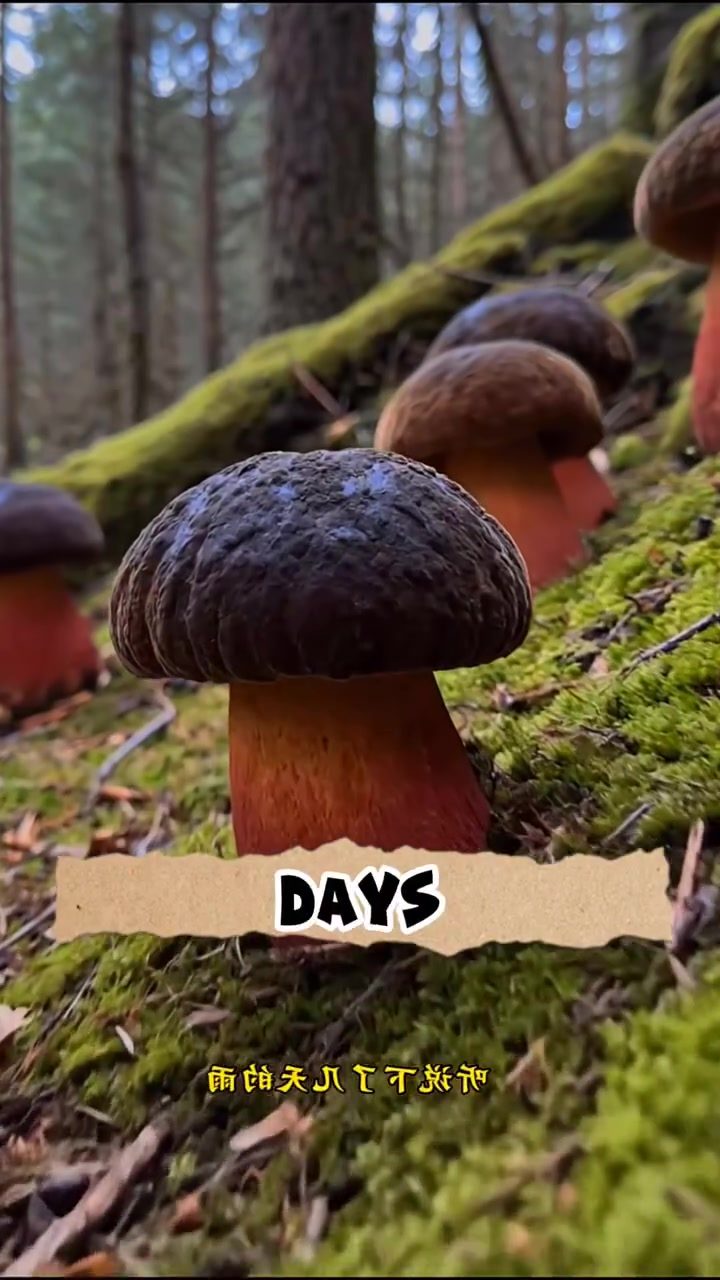
Mushroom Hunting
The thrill of mushroom hunting in the forest after days of rain is a magical experience. This is more than just a hobby; it's a journey of discovery and identification.
Why this matters
Mushroom hunting is a rewarding outdoor activity that combines nature exploration with the thrill of discovery. It encourages a deeper connection with the environment and offers insights into the fascinating world of fungi. The act of foraging for mushrooms not only provides a bountiful harvest but also fosters a sense of adventure and curiosity about the natural world.
The art of mushroom hunting
The best time to hunt
Rainy days followed by sunshine create the perfect conditions for mushroom growth. The moisture from the rain promotes the growth of various species, making it an ideal time to venture into the forest. The increased availability of mushrooms in a variety of sizes and colors adds to the excitement of the hunt.
Tips for spotting mushrooms
Mushrooms can be found in a variety of habitats within the forest, often hidden beneath leaves and moss. Keep an eye out for colorful fungi of all shapes and sizes, as they can be tucked away in unexpected places. Look for clusters and individual specimens, both of which may be prized finds.
Types of mushrooms
Giant mushrooms
The forest is home to some of the largest mushrooms, with caps so big that they resemble little umbrellas. These specimens can be a striking sight and are often the highlight of a mushroom hunting expedition. Their size and texture make them stand out against the forest floor, and it’s hard to believe that such large specimens can be found in nature.
Golden ear fungus
Among the many edible varieties, golden ear fungus is a standout. This type is known for its soft, chewy texture, making it a popular choice for culinary use. It often grows in hidden spots, so a keen eye and a bit of patience are required to uncover these treasures.
Safety and identification
The importance of proper identification
While the forest is full of delicious and interesting mushrooms, it is crucial to remember that not all of them are safe to eat. Some species can be highly poisonous, and misidentifying a mushroom can lead to serious health issues. Always consult a reliable identification guide or an expert before consuming any wild mushrooms.
Practical tips for mushroom hunting
Gear and preparation
When heading out for a mushroom hunt, it's essential to be well-prepared. Bring a basket or a bag to collect your finds, a knife for cutting mushrooms from their stems, and a field guide or app for identification. Comfortable hiking shoes, a water bottle, and weather-appropriate clothing are also important.
Techniques for finding mushrooms
To maximize your chances of success, focus on areas with adequate moisture and shade. The edges of trails, near tree stumps, and under dense vegetation are prime spots for mushroom growth. Walk slowly and carefully, scanning the ground for any signs of fungi.
Important takeaways
Mushroom hunting is a fascinating and rewarding activity that allows you to explore nature and discover the diversity of fungi. The forest, especially after a few days of rain, transforms into a magical landscape with a wide variety of mushrooms. Remember to prioritize safety, proper identification, and always be mindful of the environment.
If you ever venture into the forest for a mushroom hunt, take your time, stay alert, and enjoy the thrill of the search. This journey will allow you to connect with nature and bring home some unique and delicious prizes.
Conclusion
Mushroom hunting is more than just a fun outing; it's an immersive experience that brings together the beauty of nature and the satisfaction of discovery. Exploring the forest after a few days of rain can reveal a hidden world of vibrant, edible, and sometimes toxic mushrooms. Whether you are a seasoned forager or a beginner, the forest offers a treasure trove of opportunities to learn and enjoy. So, grab your gear, head into the wilderness, and uncover the mysteries of the mushroom world.
Questions readers ask
What are the optimal weather conditions for forest mushroom hunting?
The best time for mushroom hunting is after periods of rain followed by sunshine. The moisture from the rain encourages mushroom growth, making it easier to spot a variety of species. The combination of humidity and warmth is ideal for triggering the fruiting of mushrooms.
Are there specific techniques for spotting mushrooms in the forest?
To enhance your mushroom spotting, focus on areas with decaying organic matter, such as leaf litter and dead trees, as they provide the nutrients mushrooms need. Additionally, look for changes in soil color or texture, as these can indicate the presence of underground mycelium.
Which trees are best for foraging for edible mushrooms?
Mushrooms are often found near specific trees, such as oaks, pines, and birches. Different species of mushrooms tend to favor certain trees, so familiarizing yourself with these relationships can improve your foraging success. Research the types of mushrooms that are common in your area.
What are some of the largest varieties of mushrooms found in the forest?
Giant mushrooms, such as the Giant Puffball and the Fly Agaric, are fascinating to encounter in the forest. These species can grow to impressive sizes, with some giant puffballs reaching up to 70 centimeters in diameter, and fly agarics are known for their distinctive red caps with white spots.
What precautions should I take when hunting for mushrooms on rainy days?
On rainy days, mushrooms can be slippery and camouflaged by the wet environment. Be prepared with appropriate footwear and clothing. Additionally, bring a guidebook or use a reliable app to identify mushrooms. If you're unsure about a mushroom's identity, it's best to leave it alone. Always bring a basket or breathable bag to carry your finds.
How can I incorporate nature photography into my mushroom hunting experience?
Mushroom hunting provides ample opportunities for nature photography. Bring a camera and capture the unique shapes, colors, and textures of the mushrooms you encounter. Pay attention to the surrounding environment, and experiment with different angles and compositions to create visually interesting photos.
What should a beginner prioritize when learning mushroom hunting techniques?
For beginner mushroom hunters, prioritize learning basic identification skills and understanding the habitats of different species. Start with a reliable field guide or join a local mushroom hunting group to gain practical experience. Always follow the guidelines for sustainable foraging and only pick what you can confidently identify.
Related deep dives
Similar reads based on topic and creator.




Recent articles
Fresh deep dives from the latest Reels we unpacked.




Comments
Be the first to comment.