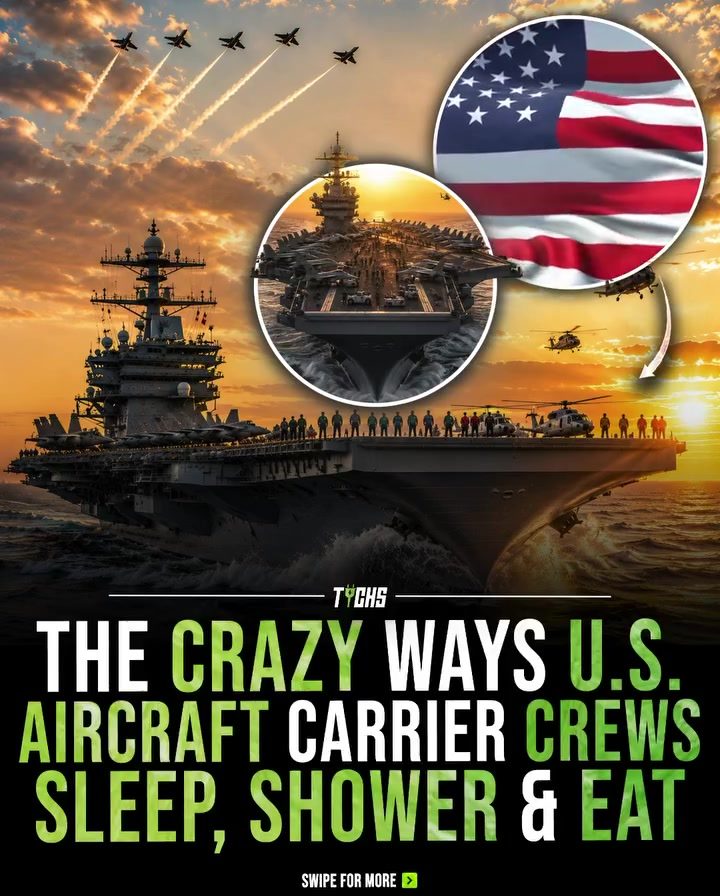
U.S. Aircraft Carrier Life
Life on a U.S. aircraft carrier is a unique and demanding experience. With around 5,000 sailors on board, every square inch of space is meticulously managed to accommodate the needs of the crew. This self-contained floating city operates 24/7, requiring sailors to adapt to a rigorous routine that includes compact living quarters, efficient use of resources, and continuous flight operations.
Context / Why this Matters
Understanding the daily life of sailors on an aircraft carrier provides insight into the intricate logistics and engineering feats that keep these complex machines operational. The carrier is not just a warship; it's a city at sea, where thousands of people live and work together to maintain one of the most advanced military systems in the world. This overview reveals the unique challenges and adaptations that define life on an aircraft carrier.
Main Discussion
Living Quarters
Sleeping on an aircraft carrier is far from the typical bedroom experience. Crew members sleep in compact bunks, often stacked in tight quarters. These bunks are designed to maximize space efficiency, allowing sailors to rest in a small area. The bunks are strategically placed to minimize disruption during flight operations, which continue around the clock.
Showers on an aircraft carrier are also a unique experience. Due to the limited supply of fresh water, sailors are encouraged to take quick showers to conserve resources. Showers are shared among dozens of crew members, and water usage is carefully monitored. These showers are not just a necessity; they are a part of the crew's routine to ensure hygiene and morale in a confined space.
Dining on the Carrier
Dining on an aircraft carrier is a logistical challenge. The galley, or the ship's kitchen, prepares about 17,000 meals every day to feed the entire crew. This requires a well-coordinated system to ensure that everyone is fed efficiently and on time. Meals are often served in shifts to accommodate the continuous operations. The galley is equipped with advanced technology to streamline the preparation process, ensuring that the crew receives nutritious meals despite the limited space.
Flight Operations
Flight operations are a central part of life on an aircraft carrier. Aircraft take off and land on the flight deck, which is a bustling hub of activity. The flight deck is continuously operational, with planes launching and recovering even during the night. This constant activity ensures that the carrier remains ready for any mission. The crew must be adaptable and ready to support these operations, which adds to the demanding nature of their lifestyle.
Collaboration and Teamwork
The success of an aircraft carrier's operations relies heavily on the collaboration and teamwork of its crew. The thousands of sailors work together in various departments, each playing a crucial role. Communication and coordination are key to maintaining the ship's functionality. The crew must work seamlessly to support flight operations, maintenance, and daily living tasks, ensuring that the carrier remains a well-oiled machine at sea.
The American flag is often prominently displayed on the flight deck, symbolizing the carrier's mission and the commitment of the crew. It serves as a reminder of the significance of their duties and the importance of their role in national defense.
Practical Tips
For those unfamiliar with life on an aircraft carrier, understanding the unique challenges and adaptations can help appreciate the efforts of the crew. Here are some practical tips for anyone interested in learning more about this lifestyle:
Understand the Importance of Space Management
Space on an aircraft carrier is a premium resource. Every inch is carefully managed to accommodate the needs of the crew. Understanding how space is optimized can provide insights into efficient living in confined areas.
Appreciate the Logistics
The logistics of operating an aircraft carrier are complex. From preparing meals to managing water usage, every task is carefully planned and executed. Recognizing the intricate systems that keep the carrier operational can offer a deeper appreciation for the crew's efforts.
Recognize the Importance of Teamwork
Life onboard an aircraft carrier is a testament to the power of teamwork. The crew must work collaboratively to support the carrier's missions. Understanding the importance of teamwork in this environment can inspire similar cooperation in other areas of life.
Important Takeaways
Life on a U.S. aircraft carrier is a testament to human adaptability and the power of teamwork. The crew's ability to thrive in such a demanding environment showcases the resilience and dedication of the sailors. By understanding the unique challenges and adaptations, one can gain a deeper respect for the efforts of the crew and the engineering marvels that keep these floating cities operational.
Conclusion
Life on a U.S. aircraft carrier is a unique and demanding experience that requires constant adaptation and collaboration. From the compact living quarters to the continuous flight operations, every aspect of life on board is carefully managed to support the carrier's mission. Whether it's the efficient use of resources, the logistics of dining, or the coordination of flight operations, the crew's efforts are a testament to their dedication and resilience. By gaining a deeper understanding of this lifestyle, one can appreciate the complexity and significance of life on an aircraft carrier.
Questions readers ask
How do sailors manage living in such confined spaces on an aircraft carrier?
Sailors on an aircraft carrier adapt to compact living by utilizing every available space efficiently. Bunk beds, shared sleeping quarters, and communal spaces are the norms. Personal belongings are often stored in lockers or under beds to maximize space. Sailors also develop strategies to maintain privacy and personal space in these tight quarters.
What is a typical daily routine like for sailors on an aircraft carrier?
The daily routine on an aircraft carrier is highly structured and round-the-clock. Sailors typically follow a watch schedule, which means they work in shifts to ensure continuous operation. This includes everything from flight operations, maintenance, and engine room duties to cooking and cleaning. Meal times, sleep schedules, and other activities are carefully coordinated to fit within this 24/7 operational framework.
How do sailors on an aircraft carrier adapt to sleep schedules?
Adapting to sleep schedules on an aircraft carrier involves following a strict watch rotation. Sailors often sleep in shifts, with some having daytime sleep periods and others having nighttime sleep. This can be challenging, as it requires sailors to adapt to irregular sleep patterns and maintain alertness during their duties. Effective time management and stress management techniques are crucial for sailors to cope with these demanding sleep schedules.
How are resources managed efficiently on an aircraft carrier?
Efficient resource management is critical on an aircraft carrier. Water, fuel, and food supplies are tightly regulated. Water is often recycled, and fuel consumption is closely monitored. Meals are carefully planned to ensure nutritional balance while minimizing waste. Conservation and recycling practices are integral to maintaining the ship's sustainability.
What role do flight operations play in the daily life on an aircraft carrier?
Flight operations are a central aspect of life on an aircraft carrier, occurring continuously, day and night. The flight deck is the hub of activity, where aircraft take off and land. Sailors involved in flight operations, known as the air wing, work tirelessly to ensure that aircraft are ready for missions. This includes maintenance, fueling, and coordinating the movement of aircraft on the flight deck. The continuous nature of flight operations requires sailors to be highly coordinated and adaptable.
Related deep dives
Similar reads based on topic and creator.




Recent articles
Fresh deep dives from the latest Reels we unpacked.




Comments
Be the first to comment.