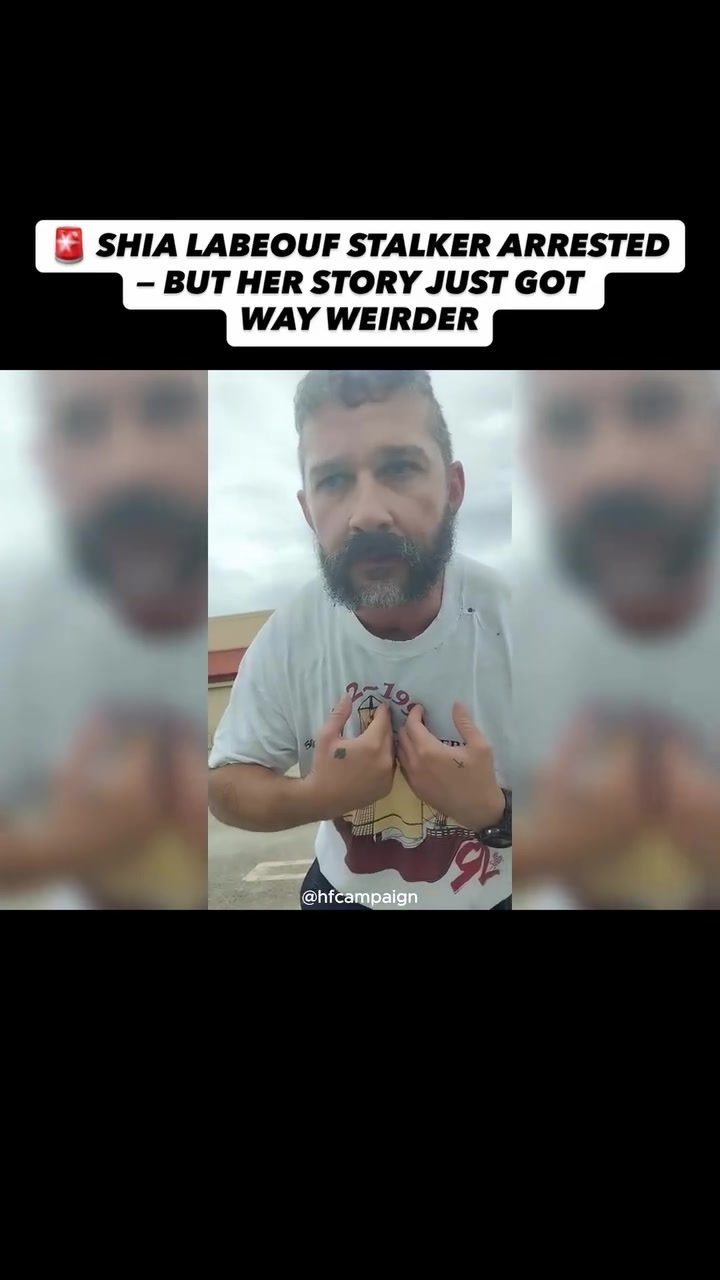
Shia LaBeouf Stalking Incident: An Unusual Turn of Events
The recent arrest of a woman named Alyssa Couture for stalking actor Shia LaBeouf has taken an unexpected and bizarre turn. The incident, which initially seemed like a straightforward case of celebrity harassment, has evolved into a complex web of claims involving identity theft, DNA manipulation, and alleged framing by unknown parties.
Context / Why this matters
Understanding the broader implications of this story is crucial. It sheds light on the intricate dynamics between public figures and their admirers, as well as the potential for mental health issues to intersect with legal complications. The case also raises questions about the ethical use of personal information and the boundaries of privacy in the digital age.
The Incident and Initial Arrest
The saga began when Alyssa Couture, a 40-year-old woman, was arrested by Louisiana police for allegedly stalking Shia LaBeouf. Couture had been making thousands of videos about the actor, driving across the country and even confronting him in person. During one such encounter, LaBeouf was heard on video asking her to leave him and his family alone. Despite these interactions, Couture insisted that she was not harassing the real Shia LaBeouf but rather a "clone" with the same name.
The Twist: Claims of DNA Theft and Identity Theft
During a previous police interaction, Couture made a series of bizarre claims that have added a layer of complexity to the case. She alleged that her DNA had been stolen and sold in Los Angeles by her mother, Deanna. Furthermore, she claimed that she was married to a "clone" of Shia LaBeouf, not the celebrity himself. This claim suggests a deep-seated belief in a reality that is disconnected from the facts, raising questions about her mental health and the potential for manipulation or delusion.
The Alleged Framing
Couture has also asserted that she is being framed by unknown parties. She claimed that people are trying to illegally frame her and portray her as harassing the celebrity. She repeatedly stated that she was not posting about or communicating with the real Shia LaBeouf but rather a clone who share the same name.
The Police Interaction
During a police interaction, Couture was questioned about her mental state and the potential for self-harm. She denied any intent to harm herself or others, but expressed a sense of danger and fear. She mentioned that she had reported incidents of people attempting to harm her, which added to the sense of paranoia and confusion surrounding her situation.
The Role of Mental Health
The case of Alyssa Couture highlights the complex interplay between mental health issues and legal consequences. While it is easy to dismiss her claims as delusions, the reality is more nuanced. Mental health struggles can lead individuals to act in ways that are perceived as threatening or harmful, even if their intentions are misguided. It is essential to approach such cases with empathy and a willingness to understand the underlying issues.
The Impact on Public Figures
For public figures like Shia LaBeouf, incidents of stalking and harassment are unfortunately not uncommon. However, the unique circumstances of this case emphasize the need for robust support systems and legal protections for celebrities and their families. The emotional toll of such incidents can be significant, and the constant threat of harassment can disrupt daily life and personal security.
Practical Tips
For Public Figures
- Security Measures: Implement comprehensive security measures, including surveillance systems, personal security details, and restricted access to personal information.
- Legal Protections: Consult with legal experts to understand the available options for obtaining restraining orders, protective orders, and other legal safeguards.
- Support Systems: Develop a strong support system, including family, friends, and mental health professionals, to help cope with the emotional impact of harassment.
For the General Public
- Respect Boundaries: Understand and respect the boundaries of public figures. Harassment, whether online or in person, is never acceptable.
- Seek Help: If you or someone you know is struggling with mental health issues, seek professional help. Early intervention can prevent potentially harmful behaviors.
- Report Suspicious Activity: If you witness or are aware of suspicious activity that could harm public figures or their families, report it to the authorities. Your actions could help prevent a tragic outcome.
Important Takeaways
This incident serves as a reminder that the line between admiration and obsession can be thin. It is crucial to approach public figures with respect and understanding, recognizing that they are human beings with their own struggles and vulnerabilities. Furthermore, the case highlights the need for mental health support and legal protections for both public figures and those who may be struggling with mental health issues.
Conclusion
The arrest of Alyssa Couture for stalking Shia LaBeouf has taken an unexpected and bizarre turn, involving claims of DNA theft, identity theft, and alleged framing. The case underscores the complex interplay between mental health, legal consequences, and the boundaries of privacy in the digital age. As the story unfolds, it reminds us of the importance of empathy, understanding, and robust support systems for both public figures and individuals struggling with mental health issues.
Questions readers ask
What specific accusations has Alyssa Couture made regarding her arrest for stalking Shia LaBeouf?
Alyssa Couture has alleged several disturbing claims, including accusations of DNA theft, identity theft, and being framed for the stalking charges. She asserts that her DNA and personal information were manipulated to implicate her in the case.
How does this case highlight issues related to mental health and celebrity stalking?
The case of Alyssa Couture and Shia LaBeouf brings attention to the complex interplay between mental health issues, legal consequences, and the particular challenges that public figures face. It underscores the need for a nuanced understanding of the motivations and potential mental health struggles of individuals involved in such incidents.
What are the privacy concerns raised by this case in the digital age?
This incident highlights significant privacy issues, particularly the misuse of personal information and the potential for digital manipulation. It raises questions about how personal data can be exploited, and the importance of robust privacy protections in an era where digital information is so accessible.
Have there been similar cases involving DNA theft and identity theft in celebrity stalking incidents?
While DNA theft and identity theft claims are rare, there have been instances where digital manipulation and false accusations have played a role in celebrity stalking cases. This case stands out due to the specific allegations of DNA and identity theft, which add a unique layer of complexity to the narrative.
What legal challenges does this case present for both Alyssa Couture and Shia LaBeouf?
The legal landscape for both parties is fraught with challenges. Alyssa Couture faces serious stalking charges, while simultaneously asserting her innocence and alleging malicious intent by unknown parties. Meanwhile, Shia LaBeouf and his legal team must navigate the complexities of protecting his privacy and ensuring justice is served.
What general implications does this case have for public figures and their interactions with admirers?
This case serves as a reminder of the delicate balance public figures must maintain when interacting with fans. It underscores the potential risks and the need for vigilance in managing personal information, as well as the importance of mental health awareness in understanding the motivations of individuals who might cross the line from admiration to harassment.
What steps can celebrities take to protect themselves from similar incidents in the future?
Celebrities can take several steps to enhance their security and protect their personal information, including implementing robust security measures, being cautious about sharing personal details, and maintaining strong legal and support systems to handle any potential threats. Regularly reviewing and updating privacy settings and seeking professional advice can also be beneficial.
Recent articles
Fresh deep dives from the latest Reels we unpacked.




Comments
Be the first to comment.