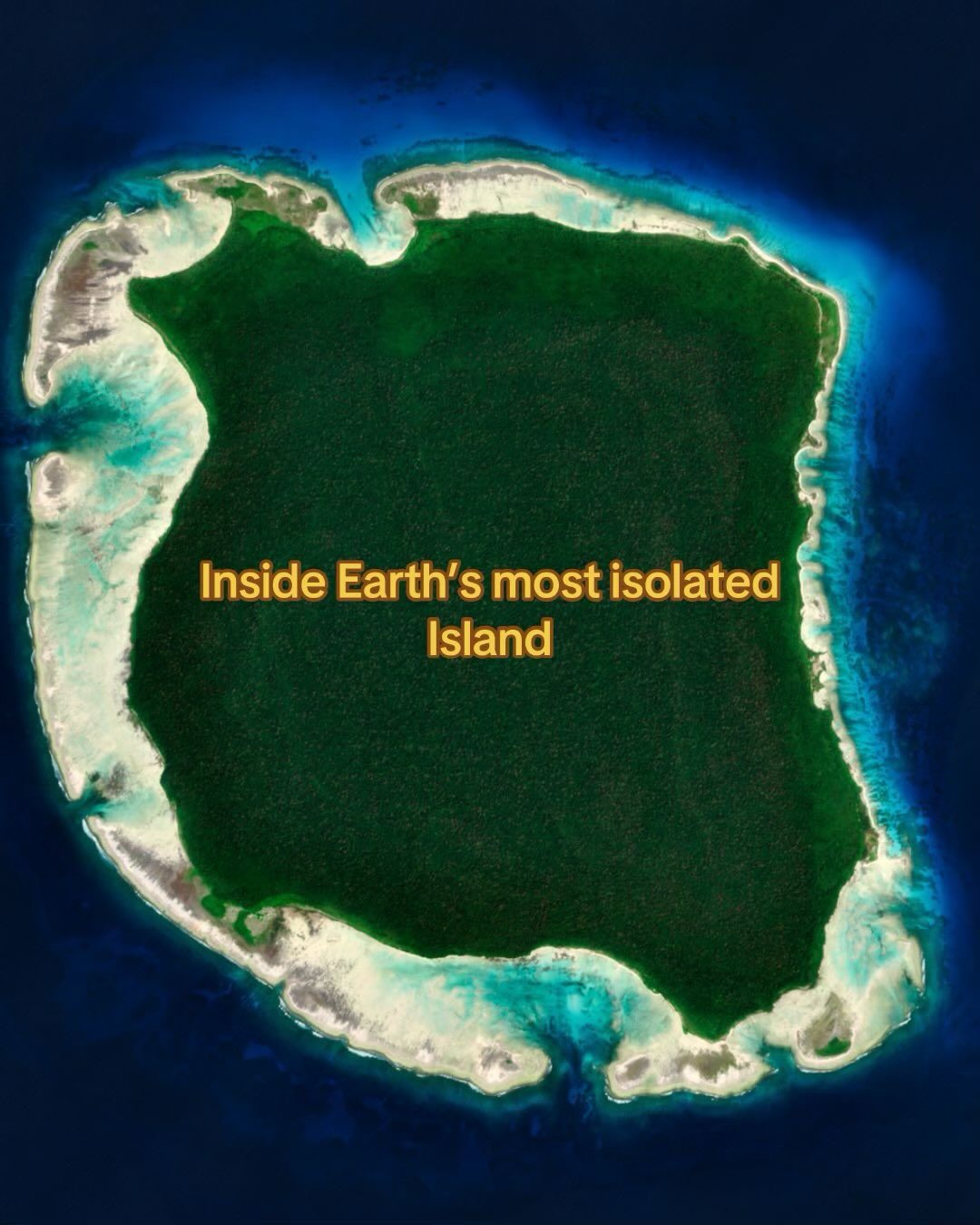
North Sentinel Island: Earth's Most Isolated Place
Nestled within the Andaman Islands of India, North Sentinel Island stands as a testament to human isolation and the enduring mystery of untouched societies. Home to the Sentinelese tribe, this remote haven has remained untouched by modern civilization for over 60,000 years. The island and its inhabitants have captivated the world's imagination, sparking both curiosity and respect for their secluded way of life.
Context: Why This Matters
North Sentinel Island's significance lies in its status as the most isolated inhabited territory on Earth. The Sentinelese tribe has managed to preserve its unique culture and way of life, free from external influences. This isolation is not merely a geographical phenomenon; it is a testament to the tribe's resolute rejection of outside contact. Understanding North Sentinel Island and its inhabitants offers valuable insights into human diversity and the resilience of isolated communities.
The Sentinelese Tribe: A Glimpse into Isolation
A Secluded Way of Life
The Sentinelese tribe has lived in complete isolation for millennia. Their way of life, untouched by modern advancements, presents a fascinating study in human adaptation. The tribe's survival in such a remote and potentially hostile environment highlights their resourcefulness and resilience. They have developed a unique culture and social structure that has sustained them for thousands of years.
Historical Encounters
Historical records and rare encounters provide a glimpse into the Sentinelese way of life. Researchers and explorers have occasionally ventured near the island, attempting to make contact or leave offerings. One notable account involves researchers leaving coconuts on the shore as gifts. The Sentinelese tribe took some of the coconuts, buried others, and then retreated into the forest, signaling their desire to remain isolated.
Defensive Stance
The Sentinelese have consistently shown a defensive stance towards outsiders. They often respond to intrusions with hostility, using bows and arrows to deter visitors. This aggressive response is seen as a means to protect their territory and way of life from external threats. Their actions underscore their determination to preserve their isolation and resist external influence.
India's Role in Protecting the Tribe
Strict Exclusion Zone
Recognizing the unique and fragile nature of the Sentinelese culture, India has implemented a strict exclusion zone around North Sentinel Island. This zone is enforced to protect the tribe from diseases and external influences that could threaten their survival. The exclusion zone ensures that the Sentinelese can continue their way of life without the risk of contact with the outside world, which could introduce harmful diseases or disrupt their culture.
Legal Enforcement
The enforcement of the exclusion zone is a rare case where isolation is legally mandated. This legal protection highlights the global recognition of the Sentinelese tribe's right to remain isolated. By enforcing this zone, India aims to safeguard both the tribe and visitors, ensuring that the Sentinelese can continue their unique way of life without interference.
Practical Tips for Exploring the Concept of Isolation
Respect for Isolated Communities
Understanding the importance of isolation and its role in preserving unique cultures, it is essential to respect the boundaries of isolated communities. This respect involves acknowledging their right to remain untouched by modern civilization and avoiding any attempts to intrude on their territory.
Reflective Travel
For travelers and adventurers, exploring the concept of isolation can be a transformative experience. It encourages reflection on the impact of modern society on natural and cultural environments. By visiting areas adjacent to protected zones, one can appreciate the delicate balance between exploration and preservation.
Ethical Considerations
Engaging with isolated communities requires a deep understanding of ethical considerations. This includes recognizing the potential risks of introducing modern diseases, the disruption of cultural practices, and the loss of unique ways of life. By adhering to ethical guidelines, travelers and researchers can contribute to the preservation of these communities.
Important Takeaways
North Sentinel Island serves as a poignant reminder of the enduring power of human isolation. The Sentinelese tribe's resilience and determination to remain untouched by modern civilization offer valuable insights into the diversity of human experience. Their story underscores the importance of respecting isolated communities and the fragility of their way of life. The legal protection provided by India highlights the global acknowledgment of the tribe's right to remain isolated and the necessity of safeguarding their unique culture.
Conclusion
North Sentinel Island stands as a beacon of isolation, reminding us of the complexities and fragility of human existence. The Sentinelese tribe's enduring way of life is a testament to the resilience and adaptability of isolated communities. By respecting their isolation and acknowledging their unique culture, we contribute to the preservation of one of Earth's most enchanting mysteries. Their story serves as a call to protect and appreciate the diversity of human experience, ensuring that such unique cultures can thrive without external interference.
Questions readers ask
Why is North Sentinel Island considered the most isolated place on Earth?
North Sentinel Island is considered the most isolated place on Earth due to its remote location and the Sentinelese tribe's resolute rejection of outside contact. The island's inhabitants have managed to preserve their unique way of life for over 60,000 years without any significant external influence.
Who are the Sentinelese tribe and what makes them unique?
The Sentinelese are the indigenous inhabitants of North Sentinel Island. Their uniqueness lies in their complete isolation from the rest of the world, which has allowed them to maintain a distinct culture and way of life that is remarkably free from modern advancements.
How has the Sentinelese tribe managed to stay isolated for so long?
The Sentinelese tribe has managed to stay isolated due to their geographical location and their deliberate avoidance of contact with outsiders. They have a resolute rejection of outside contact, which has helped them maintain their isolation for over 60,000 years.
What can we learn from the Sentinelese tribe's way of life?
The Sentinelese tribe's way of life offers insights into human diversity and resilience. Their resourcefulness in surviving and thriving in isolation provides a unique perspective on human adaptability and the richness of human experiences beyond modern society.
Why is it important to respect the Sentinelese tribe's isolation?
Respecting the Sentinelese tribe's isolation is crucial because it acknowledges their right to live according to their own customs and values. Engaging in external contact can pose significant risks to their health and way of life, as they lack immunity to many common diseases.
What are the risks associated with attempting to contact the Sentinelese tribe?
Attempting to contact the Sentinelese tribe poses significant risks, including the transmission of diseases to which they have no immunity. Additionally, any form of contact could disrupt their isolated way of life and threaten their survival.
What steps has the Indian government taken to protect the Sentinelese tribe?
The Indian government has imposed strict regulations to protect the Sentinelese tribe and their island. These measures include a 5-nautical-mile exclusion zone around the island, which prohibits unauthorized access or contact to ensure their isolation and protection.
Related deep dives
Similar reads based on topic and creator.




Recent articles
Fresh deep dives from the latest Reels we unpacked.



Comments
Be the first to comment.