Pendulums and Chaos Theory
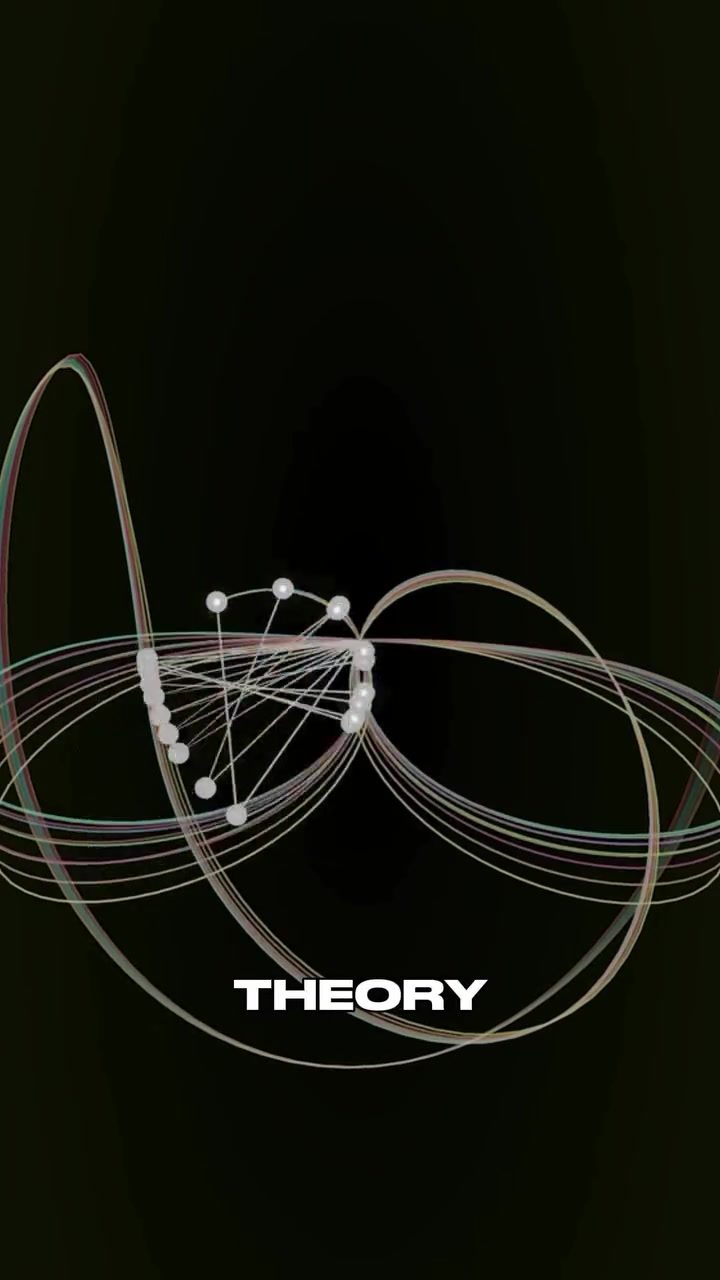
Pendulums, seemingly simple devices, hold a profound connection to the complex world of chaos theory. This connection is illustrated through a fascinating experiment involving multiple pendulums released from nearly identical starting positions, each separated by just one degree. This demonstration showcases the delicate nature of initial conditions and their significant impact on outcomes.
Understanding Chaos Theory
Chaos theory helps explain the behavior of complex systems where minor variations in starting conditions can lead to vastly different results. This principle, known as sensitive dependence on initial conditions or the butterfly effect, is a cornerstone of chaos theory. Even though these systems follow precise physical laws, their long-term behavior can be nearly impossible to predict. Pendulums, with their swinging motion, are an excellent tool for illustrating this concept.
The Butterfly Effect
The butterfly effect is a term often used to describe how small changes in the initial conditions of a system can lead to vastly different outcomes. This concept is elegantly demonstrated with the pendulums. At first, their motions appear identical, but tiny differences in their starting positions grow rapidly, sending each pendulum down a unique path. This is an example of the butterfly effect in action, where the smallest variations have dramatic consequences over time.
Pendulums and Chaos
Pendulums are a classic example of a chaotic system. They exhibit complex behavior that is highly sensitive to initial conditions. This sensitivity is why predicting the long-term behavior of pendulums can be challenging, despite following exact physical laws. The patterns created by pendulums are not only aesthetically pleasing but also serve as a visual representation of the underlying chaos.
Practical Applications of Pendulum Art
Pendulum art, or pendulum drawing, is a creative and educational endeavor that combines art and science. By using pendulums, artists and scientists can create intricate patterns and explore the principles of chaos theory in a tangible way.
Creating Pendulum Art
To create pendulum art, you need a pendulum, a drawing surface, and a way to control the starting conditions. The process typically involves suspending a pendulum from a fixed point and allowing it to swing freely, creating a drawing as it moves. This activity is accessible to anyone with a bit of patience and the right tools, making it a great hands-on demonstration of chaos theory.
The Artistic Potential
The artistic possibilities of pendulums are vast. The patterns created by pendulums can range from simple to complex, depending on the initial conditions and the duration of the swing. These patterns can be used in various artistic projects, from wall art to interactive installations, showcasing the beauty of chaos theory in a visual and engaging way.
Important Takeaways
Chaos theory and pendulums provide a fascinating intersection of science and art. Understanding the butterfly effect and the sensitive dependence on initial conditions can help appreciate the complexity of natural systems. Pendulum art is a practical and visually appealing way to explore these concepts, making them accessible to a broader audience.
Chaos Theory in Nature
Chaos theory has wide-ranging applications in various fields, including meteorology, physics, and biology. The principles of chaos theory help explain phenomena like weather patterns, ocean currents, and population changes. By studying pendulums, we can gain insights into these complex systems and understand how small variations can lead to significant differences over time.
Artistic Expression
Pendulums are not just tools for scientific exploration; they are also a medium for artistic expression. The intricate patterns created by pendulums can be used to create unique and captivating art pieces. This blend of science and art makes pendulum art an engaging and educational experience for both creators and observers.
Conclusion
Pendulums and chaos theory go hand in hand, demonstrating the profound impact of initial conditions on complex systems. Whether you are exploring the scientific principles behind pendulum motion or creating beautiful artwork, pendulums offer a unique and engaging way to understand the world around us. By appreciating the natural beauty and complexity of pendulum art, we can gain a deeper understanding of the chaotic systems that govern our universe.
Questions readers ask
What is the butterfly effect and how does it relate to pendulums?
The butterfly effect is a concept in chaos theory where small changes in initial conditions lead to drastically different outcomes. Regarding pendulums, even a slight difference in the starting angle, such as one degree, can result in vastly different swinging patterns over time. This illustrates the sensitive dependence on initial conditions inherent in complex systems.
How can pendulums be used to demonstrate chaos theory?
Pendulums provide a tangible way to explore chaos theory through hands-on experiments. By releasing multiple pendulums from nearly identical starting positions, one can observe how minor variations in initial conditions lead to significantly different trajectories. This visualization helps comprehend the unpredictability of complex systems.
Why are pendulums useful for understanding complex systems?
Pendulums are useful because they are simple yet exhibit complex behavior. They follow precise physical laws, but their motion can become chaotic and unpredictable due to sensitive dependence on initial conditions. This makes them an excellent tool for simulating and studying complex systems and the butterfly effect.
Can pendulums be used to predict future behavior of complex systems?
While pendulums can help illustrate the principles of chaos theory, they do not provide a means for precise predictions of complex systems. The inherent unpredictability of chaotic systems means that even small uncertainties in initial conditions can lead to vastly different outcomes, rendering long-term predictions challenging.
What are some examples of the butterfly effect in real life?
The butterfly effect can be observed in various real-life scenarios, such as weather patterns, where slight changes in atmospheric conditions can result in different weather outcomes. Similarly, in ecology, small perturbations can lead to significant shifts in ecosystems. Pendulum experiments serve as a simple model to understand these complex phenomena.
How do initial conditions affect the behavior of pendulums?
Initial conditions play a crucial role in the behavior of pendulums. A small difference in the starting angle or release point can lead to entirely different swinging patterns. This illustrates how sensitive chaotic systems are to their initial states, making them a key aspect of chaos theory.
What is the relationship between physical laws and chaos in pendulum motion?
Pendulums follow precise physical laws, but their motion can still become chaotic. This is because the sensitivity to initial conditions can cause even minor deviations to amplify over time, leading to unpredictable behavior. This relationship highlights that while the underlying laws are deterministic, the outcomes can be stochastic and complex.
Recent articles
Fresh deep dives from the latest Reels we unpacked.




Comments
Be the first to comment.