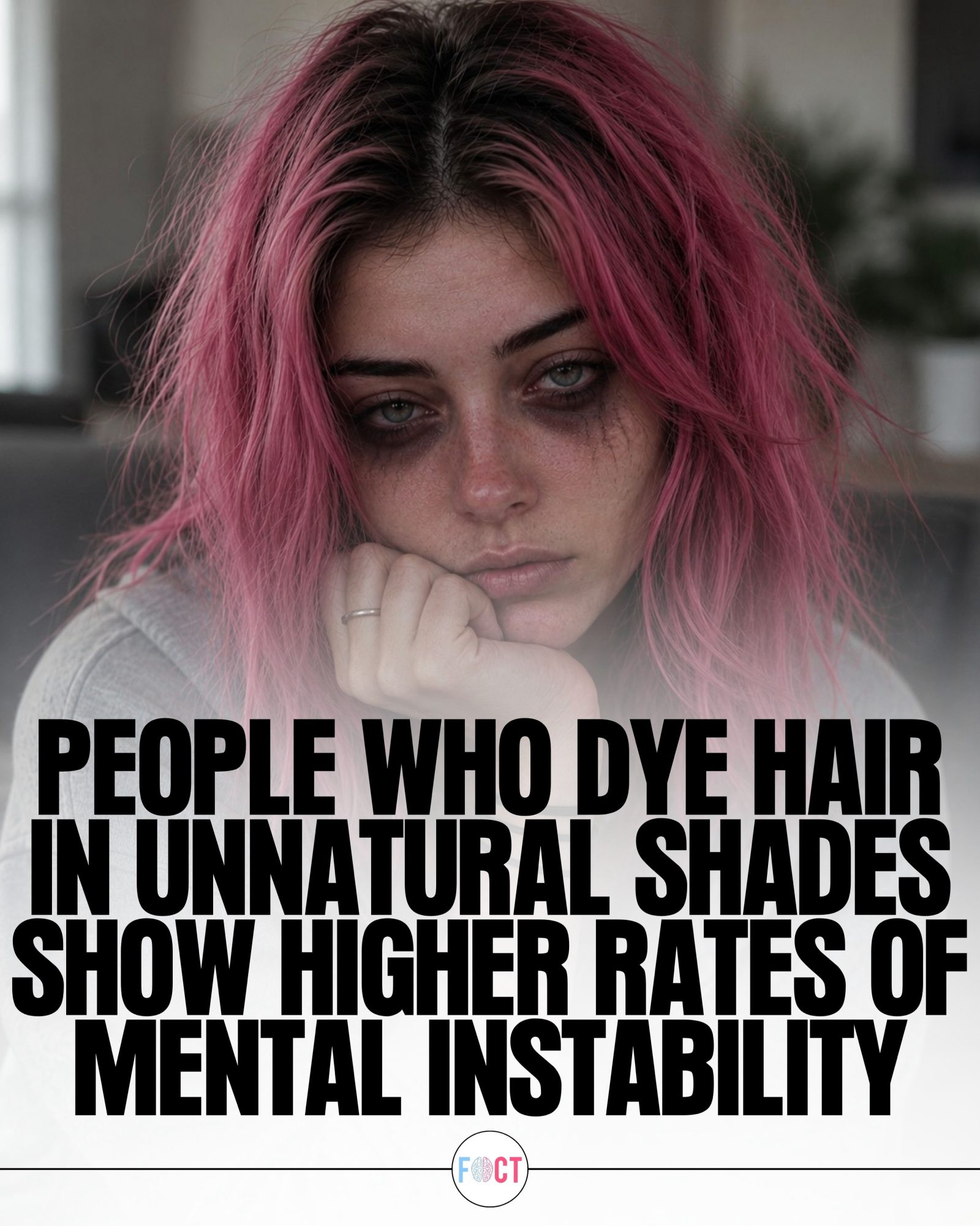
Hair in Unnatural Colors: A Study on Mental Health Implications
The connection between hair dye and mental health? It might not be the first thing that comes to mind, but a 2022 study published in the Psychreg Journal of Psychology has stirred up debate. Researchers Edward Dutton and Emil O.W. Kirkegaard delved into data from nearly 18,000 OKCupid users to explore if there is any correlation between selecting unnatural hair colors and experiencing mental health issues.
Context / Why This Matters
First, it's important to clarify what's meant by "unnatural" hair colors. Think vibrant blues, pinks, greens, or purples—not the typical browns, blacks, or even reds found in nature. The study found that individuals who dye their hair in these unnatural shades report significantly higher rates of depression, therapy usage, and emotional instability. This news sparked discussions and debates online, but before diving into the implications, let's break down the findings.
Main Discussion
Study Findings
The data analyzed by Dutton and Kirkegaard revealed that those with "crazy, unnatural" hair dyes exhibited higher instances of mental health struggles. Even after accounting for age, sex, politics, and sexual orientation, the association persisted. However, the researchers were careful to clarify that this correlation does not imply direct causation. In other words, dyeing one's hair pink doesn't cause mental instability. Instead, it might serve as a marker for a certain mindset or lifestyle.
Potential Link Between Hair and Identity
One explanation for this correlation is that unnatural hair colors could be a form of self-expression or a marker of counter-cultural identity. Individuals who embrace these vibrant hues might be more likely to engage in behaviors or worldviews that are less conventional. These behaviors and worldviews might, in turn, be associated with higher rates of mental health issues. This connection is not about the act of dyeing one's hair. Instead, it's about what that act might symbolize to the individual and how others perceive them.
The choice to dye hair in unnatural colors could be a visible sign of someone's counter-cultural identity. This identity might align with a higher likelihood of experiencing mental health challenges. However, it is important to view these correlations with nuance.
Cultural and Individual Factors
Cultural and individual factors play a significant role in mental health. The decision to dye hair in vibrant, unnatural colors might be a small part of a larger identity or lifestyle that could predispose an individual to mental health issues. For instance, a person might dye their hair as a means of self-expression, which could be tied to feelings of isolation or nonconformity. These feelings, in turn, might contribute to mental health struggles.
The Role of Self-Expression
Self-expression through hair color can be a powerful way for people to assert their individuality. However, it's essential to consider that choosing to dye one's hair in a non-traditional color might be a symptom of underlying mental health issues. This doesn't imply that the act of dyeing hair causes mental instability but rather that it might be a visible marker of an underlying condition.
Practical Tips
Understanding the Relationship
If you or someone you know dyes their hair in unnatural colors and is experiencing mental health challenges, it's crucial to understand that these two factors might be related but not directly caused by one another. Seeking support from mental health professionals can provide clarity and strategies for coping.
Seeking Professional Help
While this article highlights a correlation, it's essential to remember that professional help is the best course of action for addressing mental health issues. A therapist or counselor can provide a safe space to discuss underlying issues and develop coping mechanisms.
Emphasizing Self-Care
Regardless of hair color, practicing self-care is vital. Engaging in activities that promote mental well-being, such as exercise, meditation, and social connection, can help manage stress and emotional instability.
Important Takeaways
The study published in the Psychreg Journal of Psychology found a correlation between unnatural hair colors and higher rates of mental health issues. However, this correlation should not be seen as a direct cause-and-effect relationship. Instead, it highlights potential markers of counter-cultural identity or underlying mental health struggles. Understanding this distinction is crucial for providing support and empathy to those who might be experiencing mental health challenges.
Conclusion
The connection between unnatural hair dye and mental health is a complex one. While the study by Dutton and Kirkegaard offers valuable insights, it also underscores the need for nuanced interpretation. Instead of viewing unnatural hair colors as a direct cause of mental instability, it's more helpful to see them as a potential marker of underlying issues. Whether you or someone you know is dealing with mental health challenges, seeking professional help and practicing self-care are essential steps towards well-being.
Questions readers ask
What are considered unnatural hair colors in the context of the study?
The study defines unnatural hair colors as vibrant, non-naturally occurring shades such as blues, pinks, greens, and purples, which are distinct from typical natural hair colors like browns, blacks, and reds.
What mental health issues were associated with unnatural hair colors in the 2022 study?
The study found correlations between unnatural hair colors and higher rates of depression, therapy use, and emotional instability among individuals.
Does the study prove that unnatural hair dye causes mental health struggles?
No, the study only suggests a correlation, not direct causation, between unnatural hair colors and mental health issues.
Who conducted the 2022 study on unnatural hair dye and mental health?
The study was conducted by researchers Edward Dutton and Emil O.W. Kirkegaard, and it was published in the *Psychreg Journal of Psychology*.
What was the source of data for the 2022 study on hair dye and mental health?
The data for the study was sourced from nearly 18,000 users of the online dating platform OKCupid, who provided information on their hair color and mental health.
Are there specific mental health challenges associated with pink hair?
The study found that individuals with pink hair, along with other vibrant, unnatural hair colors, reported higher rates of depression and emotional instability.
Related deep dives
Similar reads based on topic and creator.


Recent articles
Fresh deep dives from the latest Reels we unpacked.




Comments
Be the first to comment.