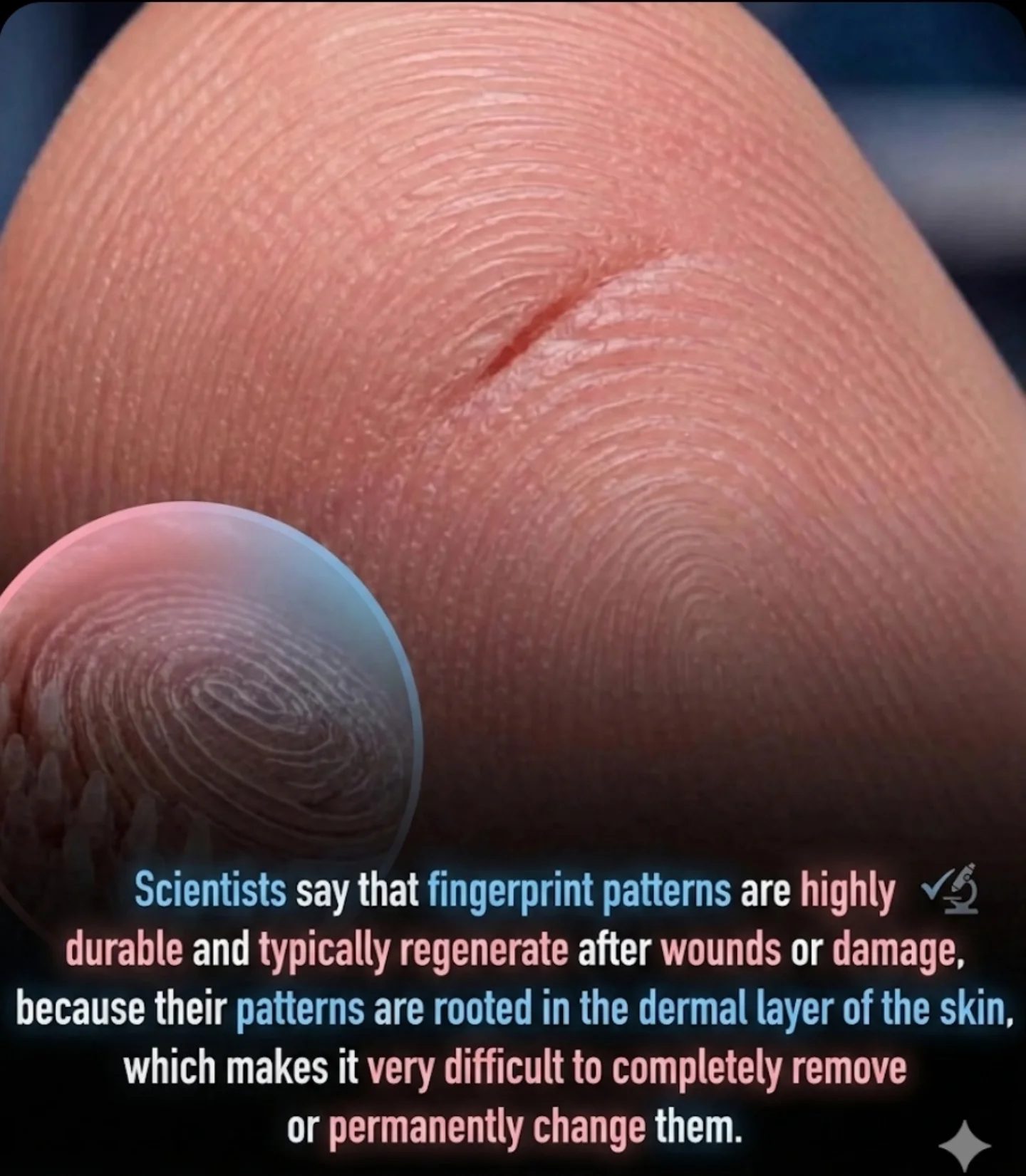
Fingerprint Regeneration: The Science Behind Our Unique Fingerprints
Fingerprints are an intriguing and enduring aspect of human biology. Many people have wondered why a minor cut or scrape doesn't erase these unique patterns. The answer lies in the remarkable resilience and regenerative power of our fingerprints, rooted in the dermal layer of our skin.
Why This Matters
Understanding the durability and regenerative capacity of fingerprints is crucial for various fields, including forensics, biometric security, and medical science. This knowledge can help explain why fingerprints remain a reliable form of identification, even after experiencing minor injuries or changes in the epidermal layer of the skin.
Deep Dive into Fingerprint Anatomy
The Dermal Layer
Fingerprint patterns are not merely superficial; they are deeply embedded in the dermal layer of the skin. This layer, located beneath the epidermis, provides the structural foundation for the unique ridges, loops, and whorls that make up a fingerprint. This deep anchoring ensures that the patterns remain consistent, even when the outer layers of the skin are damaged.
Regeneration After Damage
One of the most fascinating aspects of fingerprints is their ability to regenerate after injuries. When the skin is damaged, the new tissue grows back, guided by the underlying dermal structure. This means that even after a cut or scrape, the fingerprints will often regenerate to their original pattern, making them a lifelong identifier.
Resilience and Longevity
The durability of fingerprint patterns is a result of their deep structural foundation. Because the ridges are anchored in the dermal layer, it is very difficult to completely remove or permanently change them. This biological durability is what makes fingerprints a uniquely personal and lifelong signature.
Practical Tips
Protecting Your Fingerprints
While fingerprints are resilient, it's still important to take care of your hands to maintain the integrity of your fingerprints. Avoiding harsh chemicals, excessive scrubbing, and other activities that could damage the skin can help preserve the natural patterns.
Understanding Biometric Security
For those working in fields that rely on biometric security, understanding the durability and regenerative capacity of fingerprints is essential. This knowledge can help in developing more effective and reliable security systems.
Medical Implications
In medical science, knowledge of fingerprint regeneration can be useful in understanding skin healing and tissue regeneration. This information can be applied to various fields, including dermatology, wound care, and reconstructive surgery.
Important Takeaways
Fingerprints are deeply rooted in the dermal layer of the skin, making them highly durable and capable of regenerating after injuries. This deep structural foundation ensures that the unique patterns remain consistent, even after the outer layers of the skin have been damaged. Understanding this biological durability is crucial for fields such as forensics, biometric security, and medical science.
Fingerprints are a reliable form of identification, thanks to their regenerative and durable nature. Proper care and understanding of this aspect of human biology can help in various applications, from security to medical treatment.
Conclusion
The resilience and regenerative power of our fingerprints are a testament to the incredible complexity of the human body. By deeply understanding these patterns and their structural foundation, we can apply this knowledge to various fields, enhancing our ability to identify, protect, and heal.
Questions readers ask
How do fingerprints manage to regenerate after an injury?
Fingerprints regenerate due to the activity of cells in the dermal layer of the skin. When the surface skin (epidermal layer) is damaged, the underlying dermal layer, which contains the blueprint of the fingerprint pattern, directs the regrowth of the epidermis, ensuring the original pattern is restored.
Why are fingerprints considered durable and reliable for identification?
Fingerprints are durable because they are anchored in the deeper dermal layer of the skin. This foundation allows them to withstand minor injuries and still serve as a reliable form of personal identification, as the patterns regenerate accurately over time.
What is the role of the dermal layer in fingerprint regeneration?
The dermal layer plays a crucial role in fingerprint regeneration. It contains the papillae, which form the ridges and grooves of the fingerprint. When the surface skin is damaged, the dermal layer guides the regeneration of these patterns, ensuring the original fingerprint design is maintained.
Can fingerprints change significantly after an injury?
Minor injuries typically do not cause significant changes to fingerprints. The dermal layer ensures that the fingerprint patterns regenerate accurately. However, severe injuries or certain skin conditions may alter fingerprint patterns, though such cases are rare.
How does the fingerprint regeneration process work?
The fingerprint regeneration process begins with the injury to the epidermal layer. The dermal layer, which holds the fingerprint pattern, signals the regeneration of the epidermis. New skin cells grow following the original pattern, ensuring the fingerprint remains consistent over time.
What happens to fingerprints when the surface skin is damaged?
When the surface skin is damaged, the underlying dermal layer, which contains the fingerprint pattern, directs the regrowth of the epidermis. The new skin cells follow the pattern set by the dermal layer, ensuring that the fingerprint pattern is restored accurately.
Why are fingerprints considered permanent, even after injuries?
Fingerprints are considered permanent because the patterns are deeply rooted in the dermal layer. Even after minor injuries, the dermal layer ensures that the epidermis regenerates accurately, maintaining the original fingerprint patterns throughout a person's life.
Related deep dives
Similar reads based on topic and creator.

Recent articles
Fresh deep dives from the latest Reels we unpacked.




Comments
Be the first to comment.