Unexpected Kindness in Japan: The "Pocari Sacrifice"
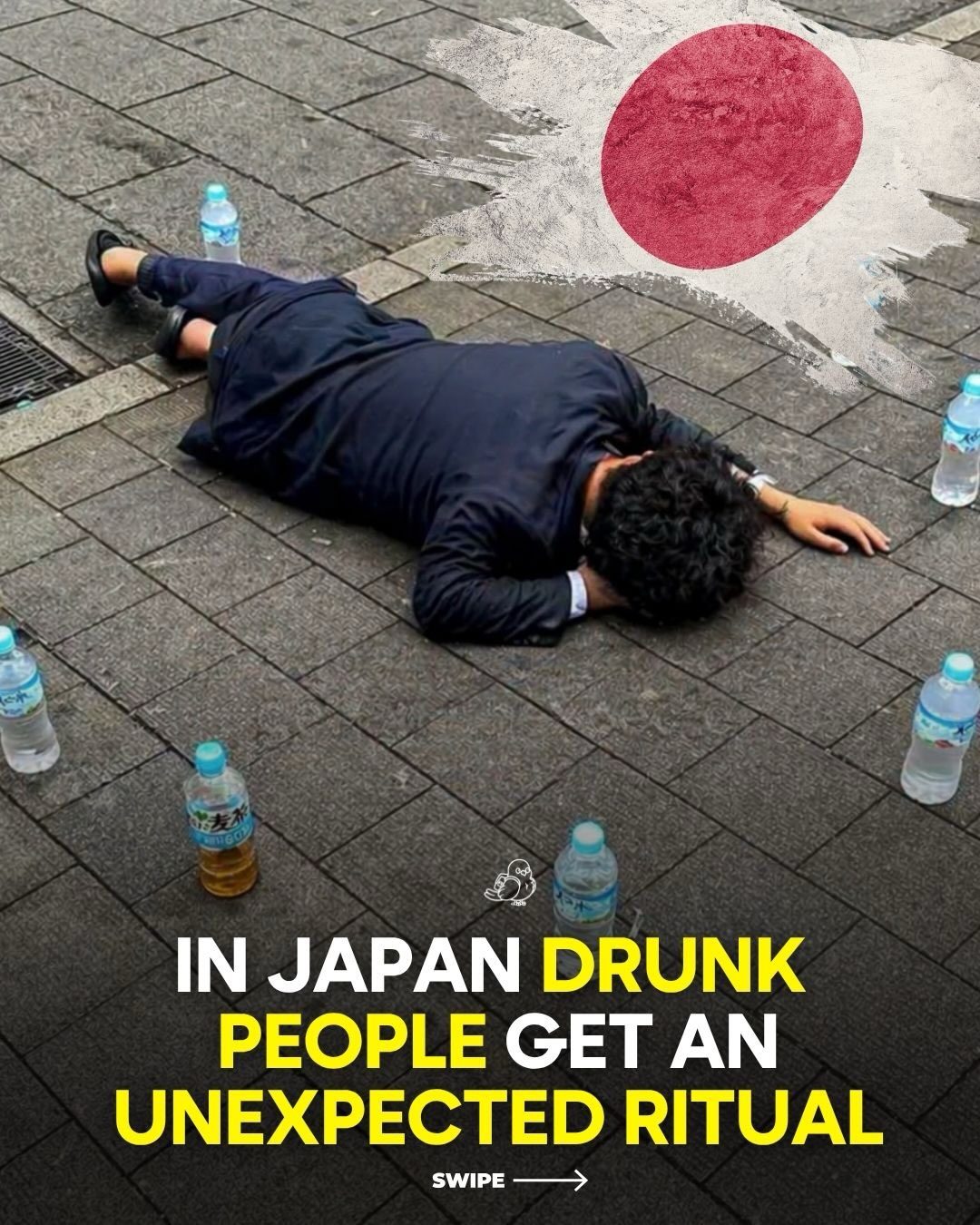
When traveling through Japan, you might encounter a surprising sight: individuals passed out in public spaces, surrounded by water bottles. This isn't a sign of neglect, but rather, a unique cultural practice that showcases the country's sense of community and care.
Context / Why This Matters
Japan is known for its rich cultural heritage and unique social norms. The "Pocari sacrifice," as it's often called, is a fascinating example of how everyday actions can reflect deeper cultural values. This phenomenon highlights the intersection of Japan's drinking culture and its communal spirit, offering a glimpse into the country's approach to public welfare and social responsibility.
The practice involves leaving water bottles around individuals who have passed out drunk in public. This small act of kindness ensures that when they wake up, they have something to hydrate with, aiding their recovery. It's a simple yet profound gesture that speaks volumes about the social fabric of Japan.
The "Pocari Sacrifice" Explained
What is the "Pocari Sacrifice"?
The "Pocari sacrifice" is a term used to describe the act of leaving water bottles for those who have fallen asleep or passed out drunk in public places. The name itself is derived from Pocari Sweat, a popular sports drink in Japan. This practice is so common that it has garnered attention online, with countless photos and stories circulating, showcasing the unusual yet heartwarming aspect of Japan's drinking culture.
Why Water Bottles?
The choice of water bottles is significant. In Japan, hydration is taken very seriously, especially after consuming alcohol. When someone drinks, they become dehydrated as the alcohol inhibits the body from producing a hormone that regulates water reabsorption. With the lack of this hormone, the body flushes out more water through urination, leading to dehydration. Water (or rehydration drinks) is the best way to counter this effect. Therefore, placing water bottles around someone who has passed out after drinking ensures they can start to recover from their dehydration as soon as they wake up.
Cultural and Social Implications
Community Care
Japan’s unique drinking culture and deep sense of community care are vividly demonstrated through this practice. Instead of leaving someone to their fate, strangers take the initiative to ensure the well-being of those in need. This communal care extends beyond just hydration. It also involves ensuring that the person is safe and unlikely to cause harm to themselves or others.
Public Drinking Norms
Public drinking is not uncommon in many parts of Japan, particularly in urban areas. However, it’s not always met with disapproval. Rather, there is a sense of tolerance and understanding, especially for those who have simply had too much to drink. This tolerance is reflected in how individuals are treated when they pass out in public. Instead of being shunned or reported to authorities, they are cared for by strangers, demonstrating the country's unique approach to public welfare.
Practical Tips for Travelers
If you find yourself in a situation where you need to help someone who has passed out, here are some practical tips:
Locate a Safe Area
Ensure that the person is in a safe location, away from immediate danger. This could include moving them to a less-trafficked area or ensuring they are not in the way of foot traffic.
Provide Hydration
If available, place water or rehydration drinks nearby. This can help the person recover from dehydration once they wake up. Remember, it is important to place the drinks safely where they won’t spill and where the person won’t inhale or choke on the contents.
Check for Respiration
Ensure the person is breathing normally. If they are not, seek immediate medical attention. If you're unsure, it's always better to call for help.
Avoid Moving Them Unnecessarily
If the person is in a stable position and breathing normally, avoid moving them unnecessarily. Moving someone who has a head, neck, or spinal injury can exacerbate the problem. If you need to move them, do so with care and ensure that their head, neck, and spine are kept in a straight line.
Important Takeaways
Social Responsibility
The "Pocari sacrifice" exemplifies how social responsibility can manifest in everyday life. It's a reminder that small acts of kindness can make a significant difference in someone's well-being.
Empathy and Care
Japan’s approach to public drinking highlights the importance of empathy and care. It shows that even in a fast-paced, urban environment, there is room for compassion and community care.
Cultural Norms
Understanding cultural norms can enrich your travel experiences. The "Pocari sacrifice" is just one example of how Japan's unique practices can offer a deeper understanding of the country and its people.
Conclusion
The "Pocari sacrifice" is more than just a cultural quirk; it's a reflection of Japan's unique approach to community care and public welfare. It showcases how small acts of kindness can make a significant difference in someone's life. Next time you're in Japan and see someone passed out in public, take a moment to appreciate the water bottles around them. It's a testament to the compassion and care that underpin Japanese society.
Questions readers ask
What is the 'Pocari Sacrifice' and where did it originate?
The 'Pocari Sacrifice' is a Japanese custom where individuals leave water bottles, often Pocari Sweat, near people who have passed out drunk in public. The exact origin is unclear, but it is widely practiced and accepted as a sign of care and community spirit.
Why is Pocari Sweat the preferred choice for this act of kindness?
Pocari Sweat is a popular Japanese sports drink known for its hydrating properties and mild flavor, making it suitable for reviving individuals who have passed out. Its widespread availability and recognition make it a convenient choice for this act of kindness.
What should you do if you encounter someone who has passed out in public while in Japan?
If you encounter someone who has passed out, you can help them by leaving a bottle of water nearby. This small act can assist in their recovery and is in line with the Japanese communal spirit. If you are concerned about their well-being, you can also notify local authorities or emergency services.
Is the Pocari Sacrifice a sign of neglect or disrespect towards public intoxication?
No, the Pocari Sacrifice is not a sign of neglect. Instead, it showcases the community's care and responsibility towards public welfare. This practice reflects a broader cultural attitude that values the well-being of others, even in situations involving public intoxication.
What other unique customs in Japan reflect a similar sense of community and care?
Japan has several customs that reflect a strong sense of community and care. For example, the practice of leaving small tips (omiyage) for service staff, and cleaning up after oneself in public spaces (like at festivals or train stations). These practices, like the Pocari Sacrifice, demonstrate Japan's emphasis on public welfare and communal responsibility.
How does the Pocari Sacrifice relate to Japan's drinking culture?
The Pocari Sacrifice is a direct response to Japan's drinking culture, where consuming alcohol in social settings is common. It addresses the potential consequences of excessive drinking, such as dehydration and public intoxication, by encouraging a supportive and responsible approach to socializing.
Do foreigners in Japan participate in the Pocari Sacrifice as well?
Yes, foreigners in Japan often participate in the Pocari Sacrifice. This custom is widely accepted and understood, making it an inclusive practice for both locals and visitors. Participating in this act can also provide a deeper understanding of Japanese culture and its communal values.
Related deep dives
Similar reads based on topic and creator.




Recent articles
Fresh deep dives from the latest Reels we unpacked.




Comments
Be the first to comment.