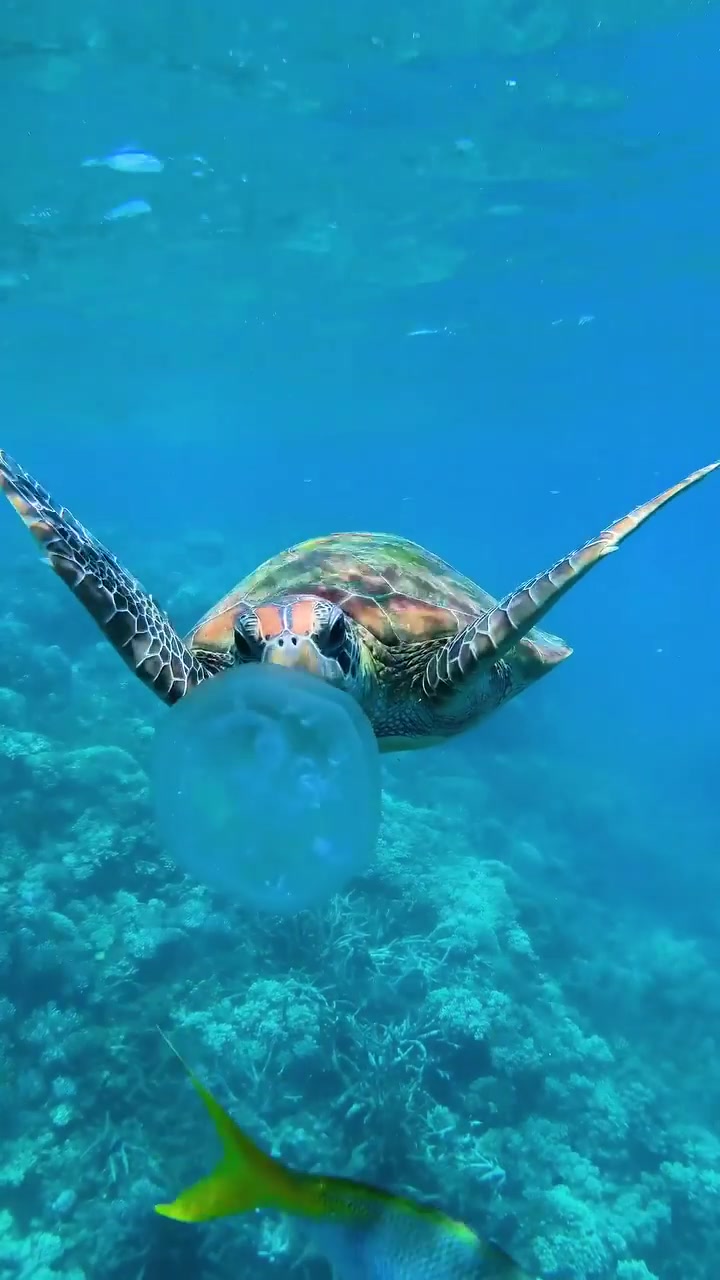
##Sea Turtles: Amphibious Ambassadors Imagine a graceful sea turtle gliding through crystalline waters, coral reefs, and fish darting about. This isn't a fantasy—it's a vivid scene from an underwater world teeming with life. That reptile, the sea turtle, is a curious anomaly, one of the most ancient reptiles on Earth. However, aquatic life is tough to see on land—browse videos to see the life underwater. ##What is a sea turtle, and why is it remarkable? Sea turtles are complex creatures, not just because of their extraordinary longevity, but also because of their ability to inhabit diverse environments. They are fully aquatic, breathing air, yet they live in the ocean — unlike other reptiles. There are seven species of sea turtles, each characterized by distinctive adaptations: like the olive ridley, known for its synchronized nesting, Loggerhead for its large, powerful jaws, or the green turtle, for its omnivorous eating habits. Many species of sea turtles migrate extensive distances. Their shell's shape and size vary considerably between species—from the large, teardrop-shaped shells of the leatherback to the more rounded shells of green turtles. That protective shield helps the turtle survive in the wild. For instance, the hawksbill turtle possesses a narrow, sharp head ideal for extracting prey from crevices. These diverse adaptations reflect the varied habitats and feeding strategies of sea turtle species. Sea turtles can dwell up to 50 years in the wild. Perhaps that's why their grace, resilience, and mysterious life cycles in the ocean. ##Ocean preservation: the sea turtle connection Ocean conservation is pivotal in preserving the biodiversity of our planet, and sea turtles play a major role in this delicate ecosystem. They are indicators of ocean health, the more we see them, the more likely it is that the waters are pure and clean.They help maintain the balance of marine ecosystems by grazing on seagrass and sponges, which in turn, supports the health of coral reefs and seagrass beds. Also, sea turtles support the health of seagrass beds and coral reefs, providing critical habitats for other marine species. Additionally, they transport nutrients between different ecosystems, which is fundamental for ocean health. Nonetheless, they face numerous threats, such as habitat loss, pollution, and climate change. For instance, plastic pollution in the oceans poses a significant risk to sea turtles, often leading to fatal entanglements and ingestion. That's why plenty of organizations worldwide work to protect sea turtles and their habitats, advocating for policies that reduce plastic waste and promote sustainable fishing practices.
The voyeurs' view of the marine world
The mystique of sea turtles lies in their elusive nature. They spend most of their lives in the ocean, and their nesting habits are only occasionally observed. It makes spotting one an awe-inspiring experience, particularly for marine enthusiasts. To see a sea turtle in person, a diver must be patient and attentive. The experience is transformative, filled with awe and respect. Locations like the Great Barrier Reef and the Galapagos Islands are renowned hotspots for encountering these magnificent creatures. To enjoy the sight, you will need diving skills. However, simply watching videos of them gliding effortlessly through their underwater domains can be mesmerizing. For exploring the underwater life, diving is a great option. Diving in clear waters offers a unique perspective on sea turtles and their natural habitats. By understanding their behaviors and movements, divers can gain a deeper appreciation for these ancient marine reptiles. Sea turtles rarely interact with divers, but when they do, it's a profound experience. Often, divers describe it as humbling and spiritual.
The endurance and instinct of the sea turtle
Sea turtles are remarkable for their endurance and instinctual navigation. They embark on extraordinary long-distance migrations, traveling thousands of miles between feeding and nesting grounds. This navigation relies on Earth's magnetic field, helping them return to the exact beaches where they hatched. The nesting process involves intricate behaviors, including the excavation of a nest and laying eggs. After laying eggs, the mother turtle covers the nest with sand and returns to the sea. The journey is fraught with danger, from predators to environmental hazards. However, a mother's instinct guides her through the ordeal, ensuring the survival of her offspring. While it's thrilling to watch sea turtles emerge from their eggs and struggle towards the sea, the hatchling stage is highly perilous. Their journey to the sea is often beset with natural threats and environmental hazards, including predators and changing climates.
Sea turtles in an endangered world
The plight of the sea turtle is a stark reminder of the challenges facing marine life. Human activities, such as fishing, pollution, and climate change, pose significant threats to these ancient creatures. Many sea turtle species are endangered, driven by habitat loss, pollution, and entanglement in fishing gear. For instance, the hawksbill turtle is critically endangered due to the demand for its shell, used in traditional medicines and jewelry. A profound balance of the ocean ecology is disturbed by the decline in sea turtle populations, affecting many marine species and ecosystems. Still, the situation isn't hopeless. Conservation efforts, including the establishment of marine protected areas and the promotion of sustainable fishing practices, offer hope. These initiatives aim to safeguard sea turtles and their habitats, ensuring the survival of these magnificent creatures for future generations.
How to Appreciate Sea Turtles
Watching a sea turtle glide through the water can be a profound experience, deeply emotional. While you cannot dive underwater every day, you can still appreciate the beauty of these creatures and the ocean they inhabit.
- Viewing Videos: Watching videos of turtles in their natural habitat can offer a glimpse into their world and help to appreciate their beauty. High-quality underwater footage can provide an immersive experience. By observing their movements, behaviors, and interactions with other marine creatures, you can gain a deeper understanding of these fascinating reptiles.
- Conserve and Protect: While watching sea turtles underwater is breathtaking, it can be harmful. Sea turtles are sensitive to human presence, especially during nesting. Thus, it is critical to maintain a safe distance at nesting beaches. By adhering to responsible wildlife-watching guidelines, you can help protect these creatures and their habitats. It is advisable to work with local conservation organizations. They provide guidelines to ensure a safe experience for both humans and sea turtles.
- Marine Conservation: Marine conservation organizations preserve the ocean habitats of the sea turtles.
Swimmers of the deep
As we gaze at sea turtles swimming gracefully underwater, let us recognize their significance. The ocean is full of life, and these creatures are ambassadors of the sea, showcasing its beauty and reminding us of our responsibility to protect it. The diversity and resilience of marine life inspire a sense of wonder and awe. With sea turtles facing numerous threats, it is crucial to appreciate and protect them.
Questions readers ask
How do sea turtles breathe underwater if they are reptiles?
Sea turtles are fully aquatic but they breathe air. They surface to take breaths, and unlike fish, they cannot extract oxygen from water. They have adapted to spend most of their lives in the ocean, only coming to shore to lay eggs.
What do sea turtles eat, and how does their diet vary among species?
Sea turtles have diverse diets depending on the species. Some, like the green turtle, are omnivorous and eat a variety of plants and animals. Others, like the loggerhead, have powerful jaws for crushing shells. The hawksbill turtle has a narrow, sharp head for extracting prey from crevices.
How do sea turtles contribute to the health of coral reefs and seagrass beds?
Sea turtles graze on seagrass and sponges, which helps maintain the health of coral reefs and seagrass beds. By doing so, they support the overall biodiversity of marine ecosystems. Additionally, they transport nutrients between different ecosystems, which is crucial for ocean health.
What are some of the main threats facing sea turtles today?
Sea turtles face numerous threats, including habitat loss, pollution, and climate change. Plastic pollution is particularly dangerous, often leading to fatal entanglements and ingestion. Organizations worldwide are working to protect sea turtles and their habitats by advocating for policies that reduce plastic waste and promote sustainable fishing practices.
Why are sea turtles considered indicators of ocean health?
Sea turtles are indicators of ocean health because their presence suggests that the waters are clean and healthy. Since they graze on seagrass and sponges, their health is directly linked to the health of marine ecosystems. The more sea turtles there are, the more likely it is that the oceans are thriving.
What makes the nesting habits of sea turtles so fascinating?
Sea turtles' nesting habits are fascinating because they are elusive and only occasionally observed. They spend most of their lives in the ocean and only come to shore to lay eggs, making it a rare and awe-inspiring experience to witness.
What are some of the best places to see sea turtles in the wild?
Some of the best places to see sea turtles in the wild include the Great Barrier Reef and the Galapagos Islands. These locations offer unique opportunities for marine enthusiasts to observe these remarkable creatures in their natural habitats.
Related deep dives
Similar reads based on topic and creator.



Recent articles
Fresh deep dives from the latest Reels we unpacked.



Comments
Be the first to comment.