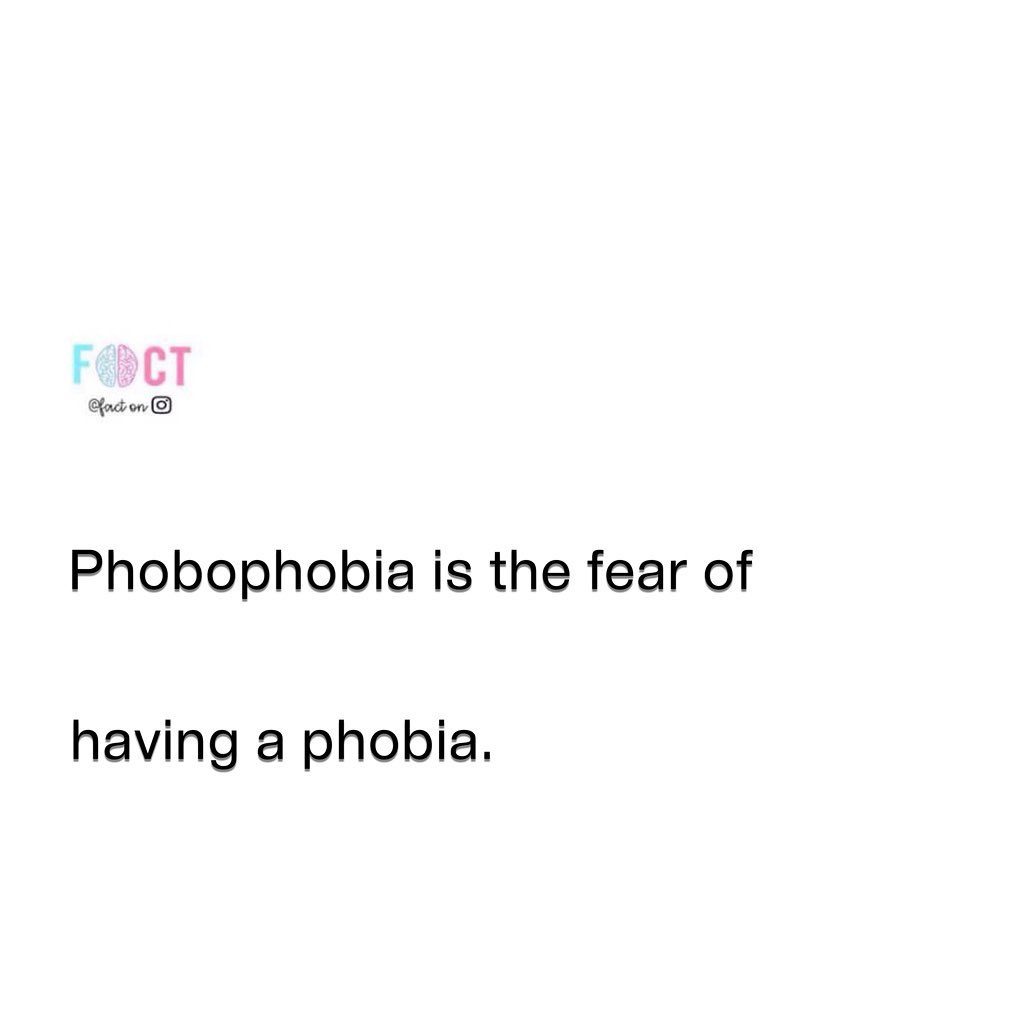
Phobophobia: The Fear of Having a Phobia
Phobophobia is a specific type of anxiety characterized by an irrational fear of having a phobia. This concept might seem paradoxical at first, but it's a real and recognized condition that can significantly impact an individual's quality of life. Understanding phobophobia involves delving into the intricacies of phobias in general and the unique challenges posed by this particular fear.
Why This Matters
Phobias are more common than many people realize. They can range from well-known fears like arachnophobia (fear of spiders) to more obscure ones like nomophobia (fear of being without a mobile phone). Phobophobia, however, is a meta-phobia—the fear of having any phobia—which can complicate the understanding and treatment of anxiety disorders.
Understanding Phobophobia
What is a Phobia?
A phobia is an intense, irrational fear of a specific object, situation, or activity. Phobias can be debilitating, causing individuals to avoid situations that trigger their anxiety, which can limit their daily activities and overall well-being. Common phobias include agoraphobia (fear of open or crowded spaces), claustrophobia (fear of enclosed spaces), and acrophobia (fear of heights).
The Paradox of Phobophobia
Phobophobia takes this concept a step further. It is the fear of developing or having a phobia. Individuals with phobophobia may experience anxiety about the possibility of acquiring a phobia, leading to a cycle of worry and avoidance. This can make it challenging to diagnose and treat since the fear is not directed at a specific object or situation but rather at the concept of having a phobia.
Symptoms of Phobophobia
The symptoms of phobophobia can mirror those of other anxiety disorders. Common symptoms include:
- Persistent and irrational fear of developing a phobia
- Avoidance behaviors related to potential triggers
- Physical symptoms such as sweating, rapid heartbeat, and shortness of breath
- Panic attacks
- Obsessive thoughts about having a phobia
Diagnosing Phobophobia
Diagnosing phobophobia involves a thorough evaluation by a mental health professional. The diagnostic process typically includes:
- A detailed interview to assess the individual's fears and anxieties
- Psychological tests to evaluate the severity and impact of the phobia
- A differential diagnosis to rule out other anxiety disorders or co-occurring conditions
Practical Tips for Managing Phobophobia
Seek Professional Help
The first step in managing phobophobia is to consult a mental health professional. Therapists and psychiatrists can provide a comprehensive assessment and develop a tailored treatment plan.
Cognitive Behavioral Therapy (CBT)
CBT is a highly effective treatment for phobias, including phobophobia. It involves identifying and changing negative thought patterns and behaviors associated with the fear. Techniques such as exposure therapy, where the individual gradually confronts their fears in a controlled environment, can be particularly helpful.
Medication
In some cases, medication may be prescribed to manage the symptoms of phobophobia. Antidepressants and anti-anxiety medications can help reduce anxiety levels and improve the individual's ability to cope with their fears.
Support Groups
Joining a support group for individuals with phobias can provide a sense of community and shared understanding. These groups offer a safe space to discuss fears and learn coping strategies from others who have similar experiences.
Important Takeaways
Phobophobia is a complex and often misunderstood condition. Recognizing the signs and seeking appropriate treatment can significantly improve the quality of life for those affected. It's essential to remember that phobophobia is not a character flaw or a sign of weakness but a genuine mental health condition that requires professional attention.
Conclusion
Phobophobia highlights the intricacies of human anxiety and the delicate balance between fear and control. By understanding what phobophobia entails and how to manage it, individuals can take proactive steps towards overcoming their fears and reclaiming their lives. Whether through therapy, medication, or support groups, there are various avenues to explore in the journey to manage phobophobia effectively.
Questions readers ask
What exactly is phobophobia and how does it differ from other phobias?
Phobophobia is the fear of having a phobia. Unlike specific phobias, which are fears of particular objects or situations, phobophobia is a meta-phobia, meaning it is a fear of the broader concept of having any phobia. This can make it more complex to identify and address.
What are the common symptoms of phobophobia?
Symptoms of phobophobia can include excessive worry about developing phobias, avoidance of situations that might trigger a phobia, and a heightened sense of anxiety. This can lead to a cycle of anxiety that affects daily activities and overall well-being.
How does phobophobia impact the treatment of anxiety disorders?
Phobophobia can complicate anxiety treatment because it introduces an additional layer of fear and avoidance. Individuals with phobophobia may avoid seeking help for their anxiety due to their fear of being diagnosed with a phobia, which can delay or hinder effective treatment.
What are some examples of a meta-phobia?
Meta-phobias include phobophobia, which is the fear of having any phobia. Another example is the fear of fear itself, known as phobophobia. These fears are unique because they involve anxiety about having an anxiety-related condition or experiencing fear.
What causes phobophobia and how can it be managed?
The causes of phobophobia can be varied, often stemming from past experiences, genetic predispositions, or environmental factors. Management typically involves cognitive-behavioral therapy (CBT) and other therapeutic approaches that help individuals understand and confront their fears in a safe and controlled manner.
Can phobophobia be prevented?
Preventing phobophobia involves early intervention and promoting open discussions about anxiety and phobias. Encouraging individuals to seek support when they experience anxiety symptoms can help prevent the development of phobophobia and other related fears.
How does the cycle of anxiety in phobophobia work?
The cycle of anxiety in phobophobia begins with an irrational fear of developing a phobia, which leads to avoidance behaviors. These behaviors can reinforce the anxiety, creating a self-perpetuating cycle where the fear of having a phobia becomes more pronounced over time.
Recent articles
Fresh deep dives from the latest Reels we unpacked.




Comments
Be the first to comment.