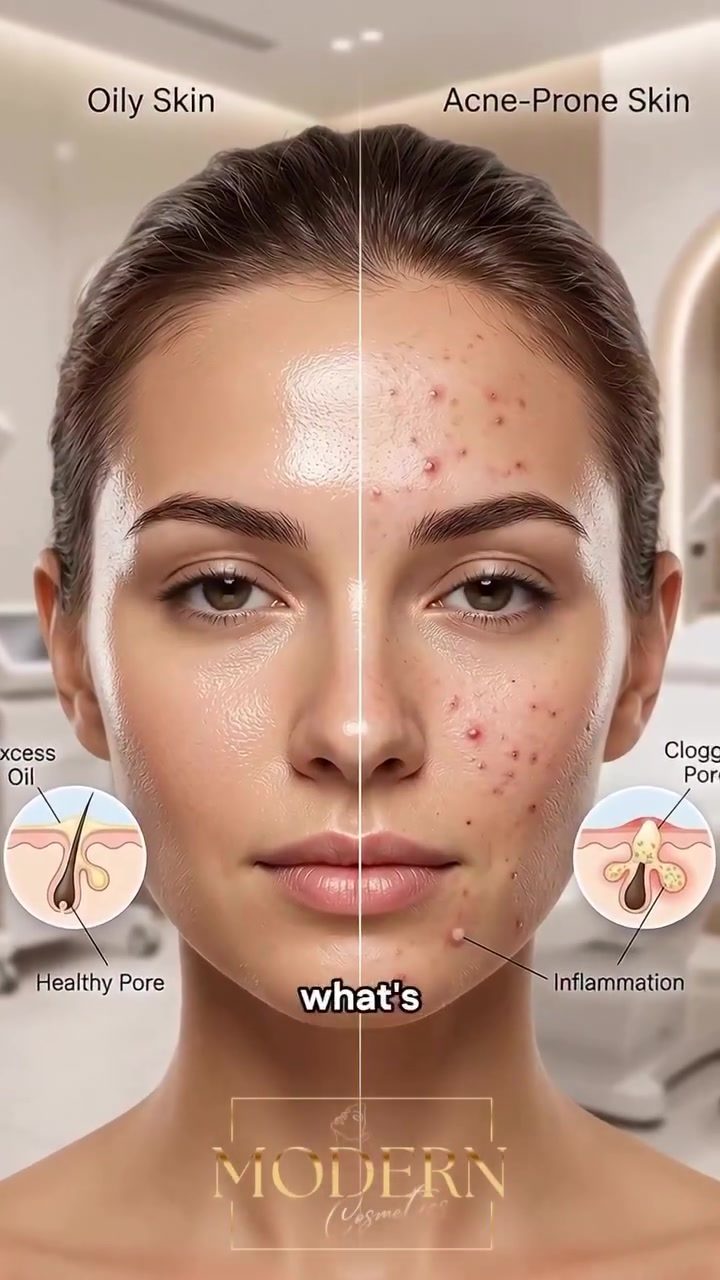
The Difference Between Oily Skin and Acne-Prone Skin
Oily skin and acne-prone skin are often confused, but understanding the distinction is crucial for tailoring an effective skincare routine. Both conditions affect millions of people, and knowing the difference can help in choosing the right skin care products and treatments.
Why This Matters
failing to understand the difference between oily skin and acne-prone skin can lead to ineffective or even harmful skincare choices. Oily skin and acne-prone skin have unique characteristics and require different approaches. By recognizing these differences, individuals can better address their specific skin concerns and achieve healthier, clearer skin.
Main Discussion
Understanding Oily Skin
Oily skin is characterized by an overproduction of sebum, the natural oil produced by the skin's sebaceous glands. This excess oil can make the skin appear shiny and may cause pores to look more noticeable. Oily skin is common and can be influenced by various factors, including genetics, hormones, and environmental conditions. It's important to note that having oily skin does not necessarily mean you will have acne. Many people with oily skin do not experience frequent breakouts.
Oily skin can be managed with the right skincare routine. Products designed for oily skin often contain ingredients that help regulate oil production and control shine. Look for products labeled as non-comedogenic, which means they won't clog pores.
Understanding Acne-Prone Skin
Acne-prone skin, on the other hand, is more likely to develop clogged pores, inflammation, and breakouts. This condition is influenced by a combination of factors, including skin cell turnover, bacteria, hormones, inflammation, and genetics. Unlike oily skin, acne-prone skin is not solely determined by the amount of oil produced. Individuals with acne-prone skin may experience breakouts even if their skin is not particularly oily.
Acne-prone skin requires a targeted approach to skincare. Products designed for acne-prone skin often contain ingredients that help unclog pores, reduce inflammation, and prevent breakouts. Look for products with ingredients like salicylic acid, benzoyl peroxide, or tea tree oil, which are known for their acne-fighting properties.
The Overlap and Differences
While oily skin and acne-prone skin are distinct, there is some overlap. Some people with oily skin may also have acne-prone skin, and vice versa. Understanding the specific needs of your skin is essential for choosing the right products. For example, someone with oily skin might use a gentle cleanser and a lightweight, oil-free moisturizer, while someone with acne-prone skin might opt for a cleanser with salicylic acid and a moisturizer containing niacinamide.
Visual Comparison of Skin Types
A clear visual comparison can help illustrate the differences between oily skin and acne-prone skin. Oily skin typically has larger, more visible pores and a glossy appearance. In contrast, acne-prone skin often shows signs of inflammation, such as redness, swelling, and the presence of pimples and blemishes. A split-screen comparison, showcasing healthy pores on one side and clogged pores with inflammation on the other, can highlight these distinctions. This visual comparison underscores the importance of using different skincare routines based on the specific needs of each skin type.
Practical Tips
Choosing the Right Skincare Products
-
For Oily Skin:
- Cleanser: Opt for a gel-based or foaming cleanser that effectively removes excess oil without stripping the skin.
- Moisturizer: Use a lightweight, oil-free moisturizer to hydrate the skin without adding extra shine.
- Serum: Consider a serum with ingredients like niacinamide or green tea to help control oil production and minimize pores.
-
For Acne-Prone Skin:
- Cleanser: Choose a cleanser with salicylic acid or benzoyl peroxide to unclog pores and reduce inflammation.
- Moisturizer: Look for a non-comedogenic moisturizer that won't clog pores and helps soothe the skin.
- Treatment: Apply a spot treatment with ingredients like tea tree oil or sulfur to target active breakouts.
Regular Skincare Routine
-
Morning Routine:
- Cleanse your skin with a gentle cleanser.
- Apply a serum or treatment specific to your skin concerns.
- Moisturize with a suitable moisturizer.
- Apply sunscreen to protect your skin from UV damage.
-
Evening Routine:
- Cleanse your skin to remove dirt, oil, and makeup.
- Use a toner to balance the skin's pH.
- Apply a serum or treatment tailored to your skin type.
- Moisturize with a night cream or lotion.
- Apply a small amount of overnight mask to hydrate and nourish your skin.
Professional Help
If you're unsure about your skin type or the best products to use, consider consulting a skincare professional. They can assess your skin and provide personalized recommendations for a skincare routine that addresses your specific concerns. Many skincare clinics offer complimentary consultations, which can be a valuable starting point.
Important Takeaways
Oily Skin vs. Acne-Prone Skin
- Oily skin is characterized by excess sebum production, leading to a shiny appearance and noticeable pores.
- Acne-prone skin is more likely to develop clogged pores, inflammation, and breakouts, influenced by multiple factors beyond oil production.
- Understanding the differences between these skin types is key to choosing the right skincare products and routines.
- You can have oily skin without acne, and you can have acne without particularly oily skin.
Choosing the Right Products
- Oily skin requires products that control oil and regulate shine, such as non-comedogenic cleansers and lightweight moisturizers.
- Acne-prone skin needs targeted treatments, like salicylic acid or benzoyl peroxide, to unclog pores and reduce inflammation.
Importance of Customization
- A customized skincare routine tailored to your skin type is essential for achieving the best results.
- Professional consultations can provide personalized recommendations and help address individual skin concerns.
Conclusion
Differentiating between oily skin and acne-prone skin is a fundamental step in creating an effective skincare routine. By understanding the unique characteristics of each skin type, you can choose products and treatments that address your specific needs. Whether you have oily skin, acne-prone skin, or a combination of both, a tailored skincare routine can help you achieve healthier, clearer skin.
Questions readers ask
What causes oily skin and how can I manage it?
Oily skin is caused by the overproduction of sebum, an oily substance produced by the skin's sebaceous glands. To manage oily skin, use gentle, non-comedogenic skincare products that won't clog pores. Incorporate cleansers, toners, and moisturizers designed for oily skin into your routine. Additionally, consider using modern cosmetics with a matte finish to control shine throughout the day.
How do I know if I have acne-prone skin?
Acne-prone skin is characterized by frequent breakouts, including whiteheads, blackheads, and pimples. If you notice inflammation, redness, and blemishes regularly, you likely have acne-prone skin. This condition requires a targeted skincare routine to manage inflammation and prevent future breakouts.
Can I have both oily skin and acne-prone skin?
Yes, it's possible to have both oily skin and be acne-prone. In fact, excess sebum can contribute to clogged pores and breakouts, so managing oily skin is an important part of caring for acne-prone skin. Look for products that address both concerns to maintain a healthy complexion.
What ingredients should I look for in skincare products for oily skin?
For oily skin, look for products containing ingredients like salicylic acid, niacinamide, or tea tree oil, which help control oil production and prevent breakouts. Also, opt for light, oil-free moisturizers and non-comedogenic products that won't clog your pores.
What is the best skincare routine for acne-prone skin?
A tailored skincare routine for acne-prone skin should include a gentle cleanser, a toner with acne-fighting ingredients like salicylic acid, and a lightweight, oil-free moisturizer. Additionally, incorporating treatments with benzoyl peroxide or retinoids can help reduce inflammation and prevent future breakouts.
How can I treat acne and control inflammation?
To treat acne and control inflammation, use products with ingredients like benzoyl peroxide, which kills acne-causing bacteria, or retinoids, which help unclog pores. Incorporate these treatments into your skincare routine, and always follow up with a gentle, non-comedogenic moisturizer to soothe and hydrate the skin.
What are some common misconceptions about oily skin and acne-prone skin?
A common misconception is that oily skin and acne-prone skin are the same. While they can overlap, they require different approaches. Another misconception is that oily skin doesn't need moisturizer. Even oily skin needs hydration, just opt for light, oil-free moisturizers. Additionally, acne-prone skin isn't just a teen issue; it can affect people of all ages.
Recent articles
Fresh deep dives from the latest Reels we unpacked.




Comments
Be the first to comment.