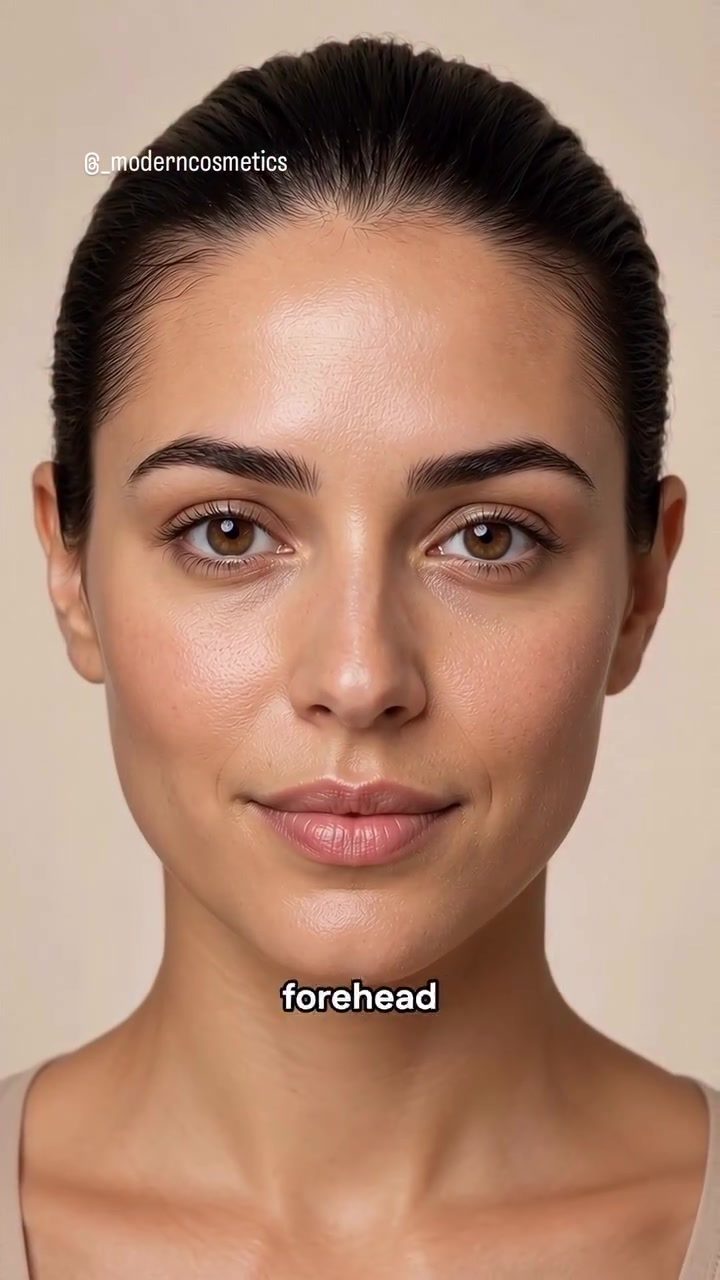
Forehead Lines: Understanding Dynamic and Static Lines
Forehead lines are a common cosmetic concern, and they can be confusing. Even when you're not raising your eyebrows, you might still see those lines on your forehead. This is due to a process that involves your frontalis muscle and changes in your skin's structure over time.
Why This Matters
Understanding the difference between dynamic and static lines is crucial for anyone looking to maintain or improve their skin's appearance. Dynamic lines are those that appear when you make facial expressions, while static lines are present even when your face is at rest. Recognizing how these lines form and evolve can help you make informed decisions about skincare and cosmetic treatments.
Dynamic vs. Static Lines
Dynamic Lines
Dynamic lines are temporary creases that form when your facial muscles contract. For instance, every time you raise your eyebrows, your frontalis muscle contracts, folding the skin above it. This action creates what are known as dynamic lines. In younger skin, these lines typically disappear when the muscle relaxes because the skin is more elastic and has better support from collagen and elastin.
The Transition to Static Lines
As you age, repeated facial movements combined with natural changes in your skin's collagen and elastin can cause those dynamic lines to become more pronounced. Over time, they can turn into static lines, which are visible even when your forehead is completely relaxed. This transition happens because the skin loses its elasticity and support, making the lines more permanent.
Factors Contributing to Static Lines
Collagen and Elastin
Collagen and elastin are proteins that give your skin its structure, elasticity, and youthful appearance. As you age, your body produces less of these proteins, and the existing ones break down. This process, combined with repeated facial movements, can lead to the formation of static lines.
Muscle Movement
Repeated muscle contractions, such as raising your eyebrows, can contribute to the deepening of lines over time. Even though these movements are natural, they can accelerate the aging process of the skin, making lines more visible.
Practical Tips
Skincare Routine
A consistent skincare routine can help maintain your skin's elasticity and reduce the appearance of both dynamic and static lines. Including products that boost collagen production and improve skin hydration can make a significant difference.
Cosmetic Treatments
Cosmetic treatments, such as Botox or dermal fillers, can help smooth out dynamic and static lines. These treatments work by relaxing the muscles that cause dynamic lines or by filling in the static lines, respectively. It's important to consult with a professional to determine the best treatment for your specific needs.
Moisturize Regularly
Use a moisturizer that contains ingredients like hyaluronic acid or glycerin. These ingredients help to hydrate the skin, making it look plumper and reducing the appearance of fine lines and wrinkles.
Use Sunscreen
Protect your skin from the sun’s harmful UV rays by using a broad-spectrum sunscreen with at least SPF 30. Sun exposure can accelerate the breakdown of collagen and elastin, leading to more pronounced lines.
Retinol Products
Incorporate retinol into your skincare routine. Retinol helps to increase collagen production and improve skin texture, making lines less noticeable.
Stay Hydrated
Drink plenty of water to keep your skin hydrated from within. Proper hydration can help maintain your skin's elasticity and reduce the appearance of lines.
Important Takeaways
Dynamic lines are temporary creases that form with facial expressions and usually disappear when the muscle relaxes. As you age, these dynamic lines can become static due to changes in collagen and elastin, making them visible even when your face is at rest. Understanding this process is essential for maintaining healthy skin and choosing the right skincare and cosmetic treatments.
Conclusion
Forehead lines are a natural part of aging, but understanding the difference between dynamic and static lines can help you take better care of your skin. By incorporating a consistent skincare routine and considering cosmetic treatments, you can effectively manage and reduce the appearance of these lines. Consult with a skincare professional to determine the best approach for your unique needs.
Questions readers ask
What causes dynamic forehead lines to appear?
Dynamic forehead lines are primarily caused by repeated facial expressions, such as raising your eyebrows or frowning. These lines form due to the contraction of the frontalis muscle, which is responsible for moving the skin on your forehead. Over time, these repeated movements can lead to the development of visible lines.
How do static forehead lines differ from dynamic ones?
Static forehead lines are present even when your face is at rest, unlike dynamic lines which appear only during facial expressions. Static lines are often a result of skin aging and loss of elasticity. They can also be due to repeated muscle contractions over the years, which eventually lead to a permanent crease in the skin.
What are some everyday causes of forehead lines?
Everyday causes of forehead lines include squinting, which can be due to sun glare or poor vision, and habitual facial expressions like raising your eyebrows in surprise or furrowing them in concentration. Additionally, factors like smoking, sun exposure, and aging contribute to the formation of both dynamic and static lines.
Can lifestyle changes help reduce the appearance of forehead lines?
Yes, certain lifestyle changes can help reduce the appearance of forehead lines. For instance, wearing sunglasses to prevent squinting, using sunscreen to protect the skin from UV damage, and staying hydrated to maintain skin moisture can all be beneficial. Additionally, being mindful of facial expressions and making an effort to relax the forehead can help prevent deepening lines.
What are the different treatment options for forehead lines?
Treatment options for forehead lines vary depending on whether they are dynamic or static. For dynamic lines, non-invasive treatments like Botox are popular, as they temporarily relax the muscles causing the lines. Injections, laser treatments, and chemical peels are also available for static lines, as they target the skin's surface and structure to reduce their appearance. Your dermatologist can assist in determining the most suitable treatment.
How can modern cosmetics help address forehead lines?
Modern cosmetics offer several solutions for forehead lines. Anti-aging creams containing ingredients like retinol, peptides, and hyaluronic acid can help reduce the appearance of lines by promoting collagen production and hydrating the skin. Additionally, primers and foundations with light-reflecting properties can temporarily minimize the look of lines and wrinkles.
What role does the frontalis muscle play in the formation of forehead lines?
The frontalis muscle is a key player in the formation of dynamic forehead lines. This muscle is responsible for moving the skin on your forehead, and its repeated contractions during facial expressions can result in the appearance of lines. Over time, these contractions can lead to the formation of static lines, as the skin loses its elasticity and the lines become permanent.
Recent articles
Fresh deep dives from the latest Reels we unpacked.




Comments
Be the first to comment.