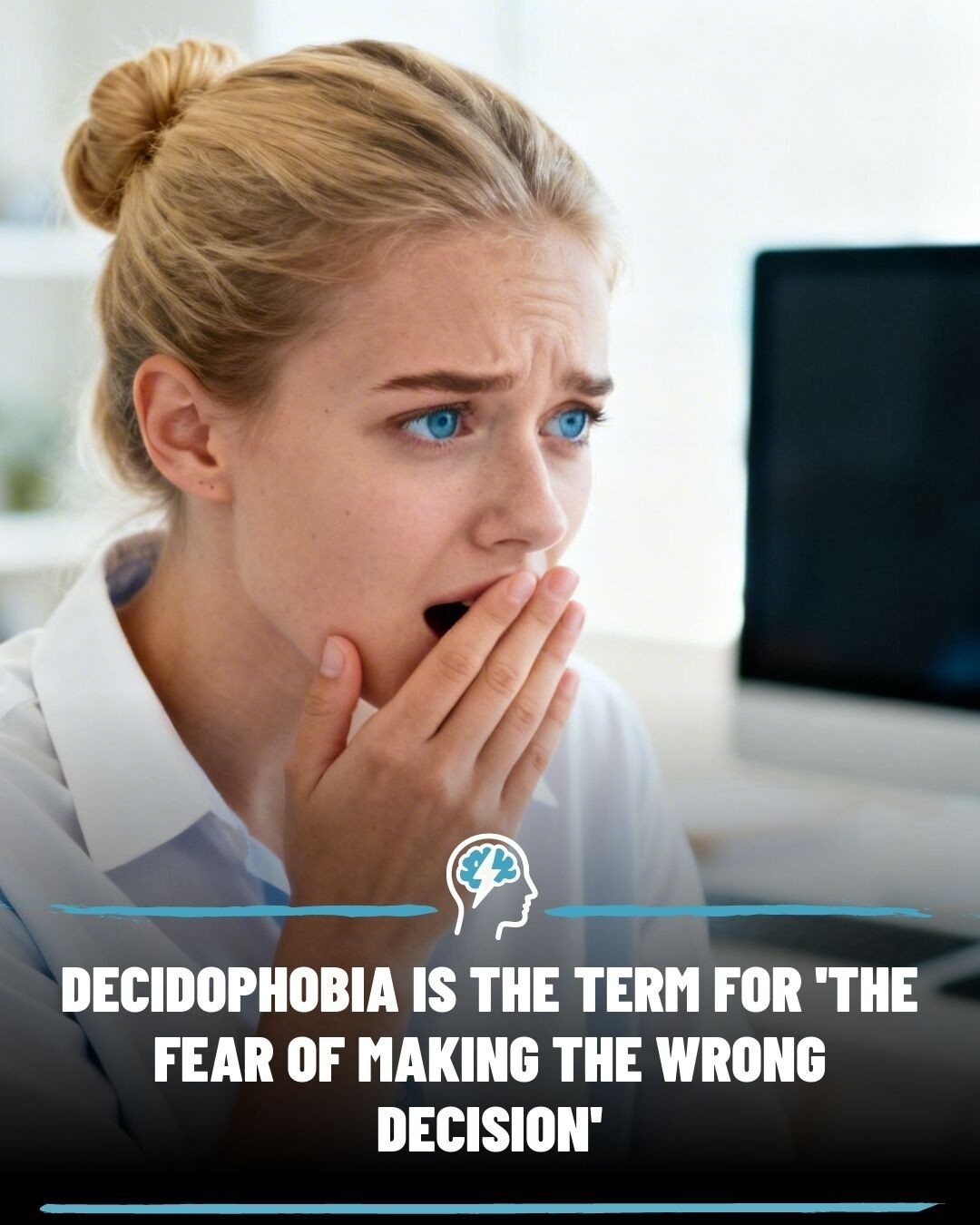
Decidophobia: The Fear of Making Decisions
Decidophobia is a psychological term that describes the fear of making decisions. This fear can manifest in various ways, from avoiding choices altogether to delegating decisions to others or getting stuck in loops of overthinking and rumination. Understanding decidophobia, its causes, and its effects can help those who struggle with decision-making and provide insights into how to manage this anxiety.
Why This Matters
In a world filled with endless choices, the ability to make decisions efficiently is crucial. However, for some people, the process of decision-making is fraught with anxiety and fear. This fear can significantly impact daily life, leading to avoidance behaviors and impaired functioning. Recognizing decidophobia as a specific phobia under the DSM-5 criteria highlights its severity and the need for understanding and support.
What is Decidophobia?
Definition and Origin
The term "decidophobia" was first coined by philosopher Walter Kaufmann in 1973. He described it as "the dread of making fateful decisions." This fear can be so intense that it impairs a person's ability to function normally, affecting their personal and professional lives. Today, decidophobia is recognized as a specific phobia under DSM-5 criteria, which includes significant fear, avoidance behaviors, and impairment in daily functioning.
Symptoms and Manifestations
People with decidophobia often experience anxiety that feels disproportionate to the actual stakes of a decision. This can lead to:
- Avoiding choices altogether
- Delegating decisions to others
- Overthinking and rumination
- Severe stress and distress
These symptoms can significantly interfere with daily life, making even small decisions feel overwhelming.
Understanding the Underlying Factors
Several underlying factors may contribute to decidophobia, including:
- Perfectionism: The desire for everything to be perfect can make decision-making incredibly stressful.
- Fear of regret: Worrying about the potential consequences of a wrong decision can paralyze the decision-making process.
- Past negative experiences: Previous bad decisions or negative outcomes can increase the fear of making future decisions.
- Generalized anxiety: High levels of anxiety can make even minor decisions feel overwhelming.
- Low self-confidence: A lack of confidence in one's abilities can make decision-making difficult and stressful.
The Impact of Decidophobia
Decidophobia can have a profound impact on various aspects of life, including:
Personal Life
Decision-making anxiety can affect personal relationships, hobbies, and overall well-being. For example, it can make it difficult to plan social activities, choose a vacation destination, or even decide what to wear.
Professional Life
In the workplace, decidophobia can hinder career progression and job performance. It can make it challenging to take on new responsibilities, make strategic decisions, or even complete daily tasks that require decision-making.
Psychological Well-being
Living with decidophobia can be psychologically taxing, leading to chronic stress, anxiety, and even depression. The constant fear and anxiety can take a toll on mental health, affecting overall quality of life.
Practical Tips for Managing Decidophobia
Recognize the Fear
The first step in managing decidophobia is recognizing when it is happening. Becoming aware of the physical and emotional signs of anxiety can help you take action before it spirals out of control.
Break Down Decisions
Large decisions can feel overwhelming. Break them down into smaller, manageable parts. This can make the decision-making process less daunting and more approachable.
Set a Time Limit
Giving yourself a set amount of time to make a decision can prevent overthinking and rumination. Set a timer and commit to making a decision within that time frame.
Use the Pros and Cons Method
Writing down the pros and cons of each option can help clarify your thoughts and make the decision-making process more structured.
Seek Support
Talking to a mental health professional can provide valuable insights and strategies for managing decidophobia. Therapies like cognitive-behavioral therapy (CBT) can be particularly effective in addressing phobias and anxiety disorders.
Practice Mindfulness and Self-Compassion
Mindfulness techniques can help you stay present and reduce anxiety. Self-compassion involves treating yourself with kindness and understanding, which can help alleviate the fear of making the wrong decision.
Important Takeaways
- Decidophobia is a recognized psychological condition that involves the fear of making decisions.
- It can manifest in various ways, including avoidance behaviors, overthinking, and delegation.
- Understanding the underlying factors, such as perfectionism and fear of regret, can help in managing decidophobia.
- Practical tips, such as breaking down decisions and setting time limits, can make the decision-making process less overwhelming.
- Seeking professional support and practicing mindfulness can also be beneficial.
Conclusion
Understanding decidophobia and its impact on daily life is crucial for those who struggle with decision-making. By recognizing the signs, understanding the underlying factors, and implementing practical strategies, it is possible to manage this fear and improve overall well-being. While decidophobia can be challenging, knowing that specific phobias like this often respond well to therapeutic approaches offers hope for those seeking relief.
Questions readers ask
What are the common symptoms of decidophobia?
Symptoms of decidophobia can include avoidance of situations that require decisions, excessive overthinking or rumination about choices, delegation of decision-making to others, and experiencing high levels of anxiety or stress when faced with decisions. Physical symptoms such as increased heart rate, sweating, or feelings of dread may also occur.
What causes decidophobia?
Decidophobia can stem from various underlying factors. Perfectionism is a common cause, as individuals may fear making the wrong choice. Past traumatic experiences with decision-making, learned behaviors from family or upbringing, and a tendency to overthink can also contribute to this phobia. Additionally, some research, like Kaufmann's 1973 study, suggests that genetic and environmental factors may play a role.
How can decidophobia affect daily life?
Decidophobia can significantly impair daily functioning. It can lead to avoidance behaviors, such as procrastination or delegating decisions to others, which can hinder personal and professional growth. It may also result in feelings of regret or guilt, as well as increased stress and anxiety. Relationships, career progression, and overall well-being can be negatively impacted by the fear of making decisions.
Is decidophobia recognized in the DSM?
Decidophobia is not explicitly listed in the Diagnostic and Statistical Manual of Mental Disorders (DSM). However, it can be understood as a specific phobia or related to other anxiety disorders. Its symptoms and effects may overlap with conditions like generalized anxiety disorder or obsessive-compulsive disorder, which are recognized in the DSM.
What are some treatment options for decidophobia?
Treatment options for decidophobia often include cognitive-behavioral therapy (CBT), which can help individuals identify and change negative thought patterns related to decision-making. Exposure therapy, mindfulness techniques, and stress management strategies can also be beneficial. In some cases, medication may be prescribed to manage anxiety symptoms, but therapy is typically the first line of treatment.
Can decidophobia be linked to perfectionism?
Yes, decidophobia is often linked to perfectionism. Perfectionists may fear making the wrong choice, leading to excessive overthinking and avoiding decisions altogether. The fear of not making the 'perfect' decision can be paralyzing, and this connection between perfectionism and decidophobia is well-documented in various psychological studies.
What research has been done on decidophobia?
Research on decidophobia, such as Kaufmann's 1973 study, has explored its causes, symptoms, and potential treatments. While decidophobia is not as widely researched as some other phobias, studies have provided valuable insights into its psychological underpinnings. Ongoing research continues to contribute to a deeper understanding of decision anxiety and its impact on individuals' lives.
Recent articles
Fresh deep dives from the latest Reels we unpacked.




Comments
Be the first to comment.