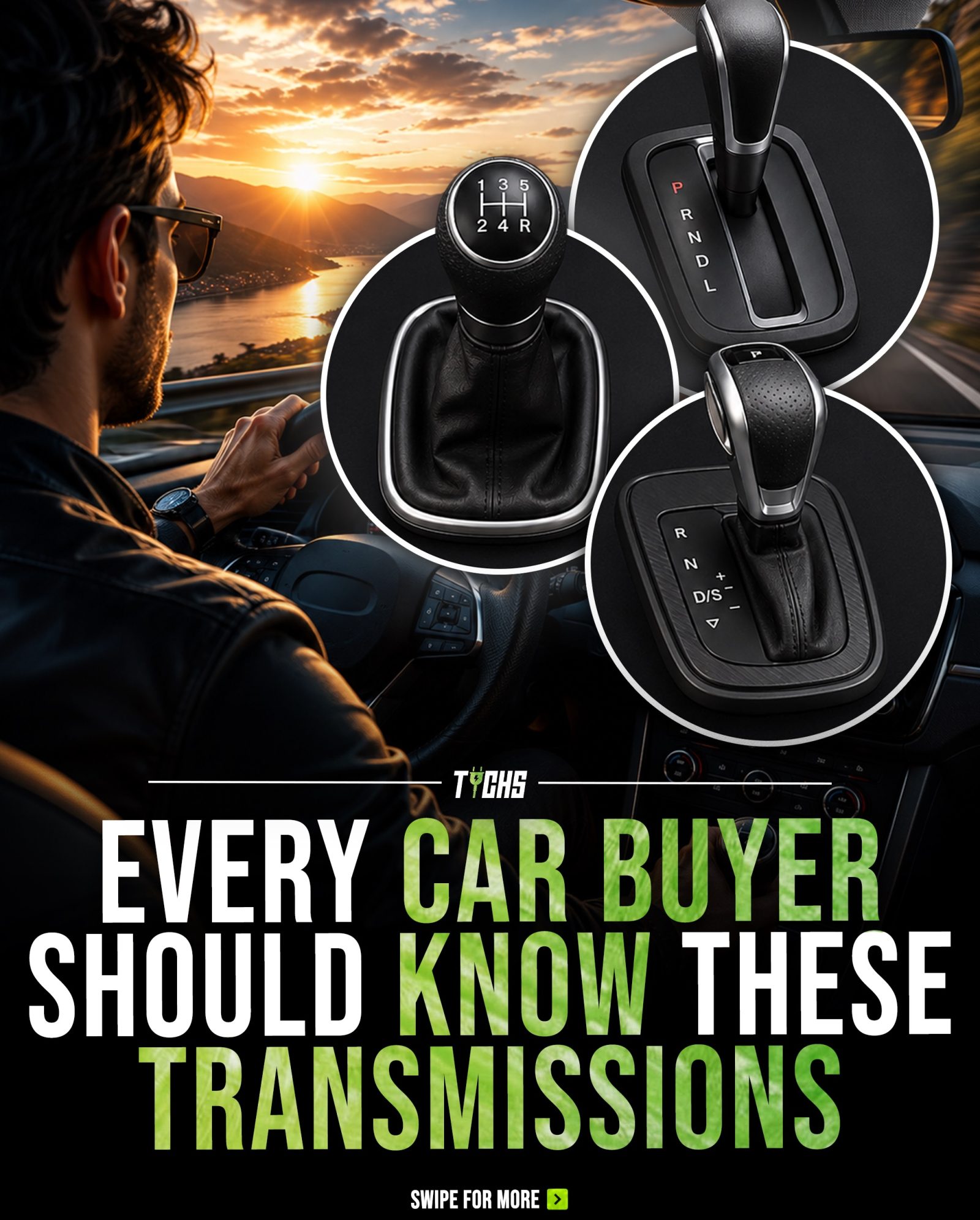
Car Transmission Types
Car buyers have a lot to consider when purchasing a vehicle, and one of the most important aspects is the type of transmission. The transmission system determines how power is delivered to the wheels, significantly influencing the driving experience. Understanding the different types of car transmissions can help buyers make an informed decision tailored to their driving preferences and needs.
Why this matters
The transmission is a critical component in a vehicle, determining how power from the engine is transferred to the wheels. Different transmission types offer varying levels of control, comfort, performance, and fuel efficiency. Recognizing the characteristics of each type can help drivers select a car that aligns with their preferences and driving habits.
Main discussion
Manual Transmissions
Manual transmissions provide drivers with maximum control over the vehicle. They require the driver to manually shift gears using a clutch pedal and gear selector. This type of transmission is popular among enthusiasts who enjoy a more engaged driving experience.
Manual transmissions offer several benefits, including:
- Better fuel economy, as drivers can shift gears more efficiently.
- Enhanced control, allowing for smoother acceleration and braking.
- A more immersive driving experience, as the driver is actively involved in operating the vehicle.
However, manual transmissions can be challenging for new drivers and those who prioritize convenience and ease of use.
Automatic Transmissions
Automatic transmissions prioritize comfort and convenience, making them an excellent choice for everyday driving. These transmissions automatically shift gears without the need for a clutch pedal, allowing drivers to focus on the road.
There are several types of automatic transmissions, each with its unique features:
- Traditional Automatics: These use a torque converter to transfer power from the engine to the transmission. They are known for their smooth, comfortable shifts and are suitable for most driving conditions.
- Continuously Variable Transmissions (CVTs): CVTs use a belt and pulley system to provide an infinite number of gear ratios, focusing on smoothness and fuel efficiency. They are popular in hybrid and fuel-efficient vehicles.
- Dual-Clutch Transmissions (DCTs): DCTs offer lightning-fast gear changes, making them ideal for performance driving. They combine the benefits of manual and automatic transmissions, providing quick shifts and a more engaging driving experience.
- Intelligent Manual Transmissions (IMTs): IMTs provide a manual-style driving experience without the need for a clutch pedal. They offer the control of a manual transmission with the convenience of an automatic, making them a popular choice for those who want the best of both worlds.
- Automated Manual Transmissions (AMTs): AMTs offer an affordable entry into automatic driving. They use electronic controls to automate the clutch and gear selection, providing a more cost-effective alternative to traditional automatics.
Key Transmission Types
Some of the key transmission types include:
- Automatic
- These transmissions are known for their smooth, comfortable shifts, making them ideal for everyday driving. They use a torque converter to transfer power from the engine to the wheels, providing a seamless driving experience.
- IMT (Manual without Clutch Pedal)
- IMTs offer a unique driving experience that combines the control of a manual transmission with the convenience of an automatic. These transmissions allow drivers to shift gears manually without using a clutch pedal, providing a more engaging and responsive driving experience.
Practical tips
Consider Your Driving Habits
When choosing a transmission type, consider your daily driving habits. If you spend a lot of time in stop-and-go traffic, an automatic transmission might be more convenient. However, if you enjoy a more engaged driving experience and prefer to have full control over gear shifts, a manual or IMT transmission could be a better fit.
Test Drive Different Transmissions
Before making a decision, test drive vehicles with different transmission types. This will give you a firsthand feel for how each type performs and help you determine which one best suits your preferences.
Think About Maintenance and Costs
Automatic and semi-automatic transmissions are generally more expensive to maintain than manuals. However, they can also offer a more comfortable driving experience and better resale value. Weigh the pros and cons and consider your priorities when making a decision.
Important takeaways
- Different transmission types offer unique driving experiences, from maximum control with manual transmissions to convenience with automatics.
- Understanding the strengths and trade-offs of each transmission type can help you choose a vehicle that aligns with your driving preferences and habits.
- Test driving different transmission types and considering maintenance costs are essential steps in making an informed decision.
Conclusion
The transmission plays a significant role in shaping the driving experience, affecting everything from fuel efficiency to performance and control. Whether you prioritize comfort, control, or performance, knowing the different types of car transmissions can help you make a decision that best meets your needs.
With a range of options available, from traditional automatics to advanced IMTs, there's a transmission type for every driver. By understanding the characteristics of each, you can ensure that your next vehicle delivers the driving experience you desire.
Questions readers ask
What are the main types of car transmissions available for buyers to consider?
The primary types of car transmissions include manual, automatic, and advanced transmissions like CVT (Continuously Variable Transmission) and dual-clutch transmissions. Each type offers unique advantages in terms of control, performance, and comfort, making it essential to understand their differences.
How does a manual transmission differ from an automatic in terms of control and performance?
A manual transmission provides direct control over gear shifts using a clutch pedal and gear stick, offering a more engaging driving experience and potentially better performance in certain conditions. In contrast, automatic transmissions handle gear shifts seamlessly, providing convenience and comfort.
How does the type of transmission affect a vehicle’s fuel efficiency?
Fuel efficiency can vary significantly based on the transmission type. Manual transmissions often provide better fuel efficiency due to their simplicity and direct control. However, modern automatic transmissions, especially CVTs, are designed to optimize fuel efficiency by keeping the engine at its most efficient RPM.
Which transmission type is best for performance-oriented drivers?
For performance-oriented drivers, a manual transmission or a dual-clutch automatic (DCT) is often the best choice. Manual transmissions offer precise control over gear shifts, while DCTs provide the convenience of an automatic with quicker, more responsive shifting, enhancing the overall driving experience.
What are the benefits of an automatic transmission for daily driving?
Automatic transmissions are ideal for daily driving due to their convenience and ease of use. They eliminate the need for manual gear shifts, making driving more comfortable and less demanding, especially in heavy traffic or urban environments. Additionally, modern automatics offer smooth and efficient performance.
Can a manual transmission be more fuel-efficient than an automatic?
Yes, manual transmissions can be more fuel-efficient than automatics, particularly older models. This is because manual transmissions allow drivers to control gear shifts, reducing the risk of inefficient shifts. However, advancements in automatic transmissions, such as CVTs and DCTs, have narrowed this gap, offering comparable efficiency.
Recent articles
Fresh deep dives from the latest Reels we unpacked.




Comments
Be the first to comment.