Human Organ Systems
Human organ systems are intricate networks that work together to maintain overall health and well-being. Each organ has a unique role and specific needs, and understanding these systems can help optimize bodily functions. This interconnectedness is the core of systems biology, which views the body as a complex network where each part influences the others.
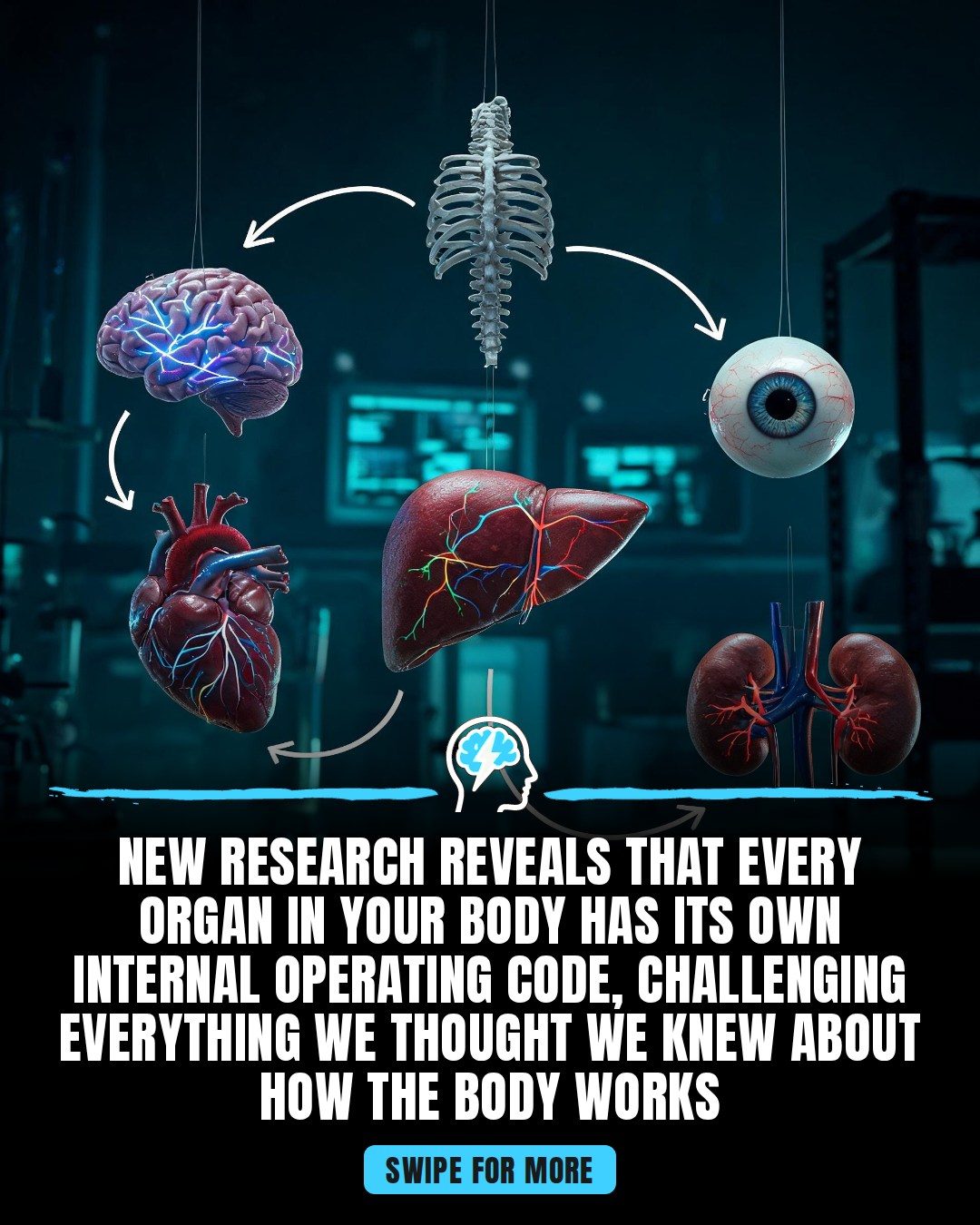
Recent research has revealed that every organ in the body has its own internal operating code. This means that each organ functions uniquely and requires specific inputs to operate efficiently. This concept challenges traditional views of the body as a collection of separate parts, instead emphasizing the interconnected nature of organ systems.
Why This Matters
Understanding how organ systems interact is crucial for maintaining health. By recognizing that the body functions as a network, individuals can make more informed choices about their lifestyle, diet, and overall well-being. This holistic approach allows for better regulation and support of the body's intricate systems, leading to improved health outcomes.
Cardiovascular and Respiratory Vitality
The heart and lungs are the body's rhythmic core, driving essential functions like circulation and respiration. Proper care of these organs is vital for overall health.
Supporting the Heart
The heart, a muscular organ, relies on specific nutrients to function optimally. Omega-3 fatty acids, Coenzyme Q10 (CoQ10), and magnesium are known to fuel the cardiac muscle. Incorporating these nutrients into your diet can enhance heart health and support cardiovascular function. Gentle movement and a warm, humid environment can also ease the load on the heart and lungs, promoting better respiratory health.
Lung Health and Breathing Techniques
Lungs prefer slow, nasal breathing, which supports lung capacity and keeps airways open. Diaphragmatic breathing, light cardio, and nasal breathing are beneficial for lung health. Humid air and singing can also help maintain open airways. While some studies suggest that breathwork can ease stored tension, this idea remains preliminary and requires further research.
Enhancing Cognitive Performance
The brain, the body's control center, thrives on novelty and proper fuel. Certain nutrients and activities can enhance cognitive function and maintain mental clarity. Omega-3s, creatine, and lion’s mane are commonly studied for their cognitive-supporting properties. Engaging in activities that stimulate the brain, such as learning and play, can also enhance mental performance. Nasal breathing and exposure to morning sunlight support alertness and overall brain function.
Strength and Structural Integrity
Physical stress and new challenges are essential for building and maintaining bone density. Weight-bearing exercises signal the body to build stronger bones, which is crucial for structural integrity. Nutrients like vitamin D3, vitamin K2, and collagen provide the building blocks necessary for a healthy skeleton. Additionally, morning sunlight helps set the internal clock for alertness, supporting overall cognitive performance and physical health.
Filtration and Sensory Awareness
The body's detox and sensory systems require consistent upkeep to function optimally. Proper hydration and stable blood pressure are essential for kidney function. Cruciferous vegetables and bitter foods support liver detox pathways, aiding in the body's filtration processes. Long-distance focusing and conscious blinking can help reduce screen strain, enhancing sensory awareness and overall health.
Important Takeaways
Understanding the interconnected nature of organ systems is key to maintaining optimal health. Each organ has unique needs, and providing the right inputs supports the entire body. From cardiovascular and respiratory health to cognitive performance and structural integrity, every choice—from diet to breathing techniques—affects the body as a whole. Systems biology shifts the focus from isolated fixes to steady regulation, emphasizing the importance of a unified approach to wellness.
Conclusion
The human body is a complex network of interconnected organ systems, each with its own unique functions and needs. By understanding and supporting these systems, individuals can achieve better overall health and well-being. From proper nutrition and breathing techniques to physical activity and mental stimulation, every choice plays a role in maintaining the body's intricate balance. Embrace a holistic approach to wellness, and treat your body as the connected system it is.
Questions readers ask
What are the key organ systems in the human body?
The human body comprises several key organ systems, including the cardiovascular, respiratory, digestive, nervous, endocrine, musculoskeletal, and lymphatic systems. Each system is composed of organs that work together to perform specific functions, such as transporting nutrients, facilitating respiration, and maintaining overall balance within the body.
How does the cardiovascular system support overall health?
The cardiovascular system is essential for transporting oxygen, nutrients, and hormones throughout the body. It consists of the heart, blood vessels, and blood, all of which work together to maintain proper circulation. By ensuring efficient blood flow, the cardiovascular system supports the function of all other organ systems, making it crucial for overall well-being.
What role does the respiratory system play in the body?
The respiratory system is responsible for the intake of oxygen and the release of carbon dioxide, which is vital for cellular respiration. This system includes the lungs, nasal passages, and airways. By ensuring proper oxygenation, it supports organ functions, including brain function and lung function, and is essential for maintaining the body's metabolic processes.
Why is understanding organ systems interconnectedness important?
Understanding the interconnectedness of organ systems is important because it helps in optimizing overall health. Each organ system influences the others, and disruptions in one can affect the functioning of the entire body. For example, poor lung function can impact the cardiovascular system's efficiency, and vice versa. By recognizing these connections, individuals can take a holistic approach to health and well-being.
How can I support the health of my brain and organ systems?
Supporting brain health and overall organ function involves maintaining a balanced diet, engaging in regular physical activity, and getting adequate sleep. Specific practices, such as nasal health maintenance, can also support brain function. Additionally, staying hydrated, managing stress, and avoiding harmful substances can help ensure that all organ systems function optimally.
What are some signs of poor organ function?
Signs of poor organ function can vary but may include fatigue, shortness of breath, digestive issues, and cognitive impairment. For instance, reduced lung function might manifest as persistent coughing or wheezing, while cardiovascular issues might present as chest pain or irregular heartbeats. Recognizing and addressing these symptoms early can help in maintaining overall health and preventing more serious conditions.
How do the latest findings in systems biology impact our understanding of organ systems?
Recent findings in systems biology highlight that each organ has its own internal operating code and specific needs, challenging the view of the body as a collection of separate parts. This emphasizes the interconnected nature of organ systems and the importance of understanding how each organ influences the whole. By acknowledging these complex interactions, individuals can gain a deeper appreciation of their bodies' needs and optimize their health accordingly.
Recent articles
Fresh deep dives from the latest Reels we unpacked.




Comments
Be the first to comment.