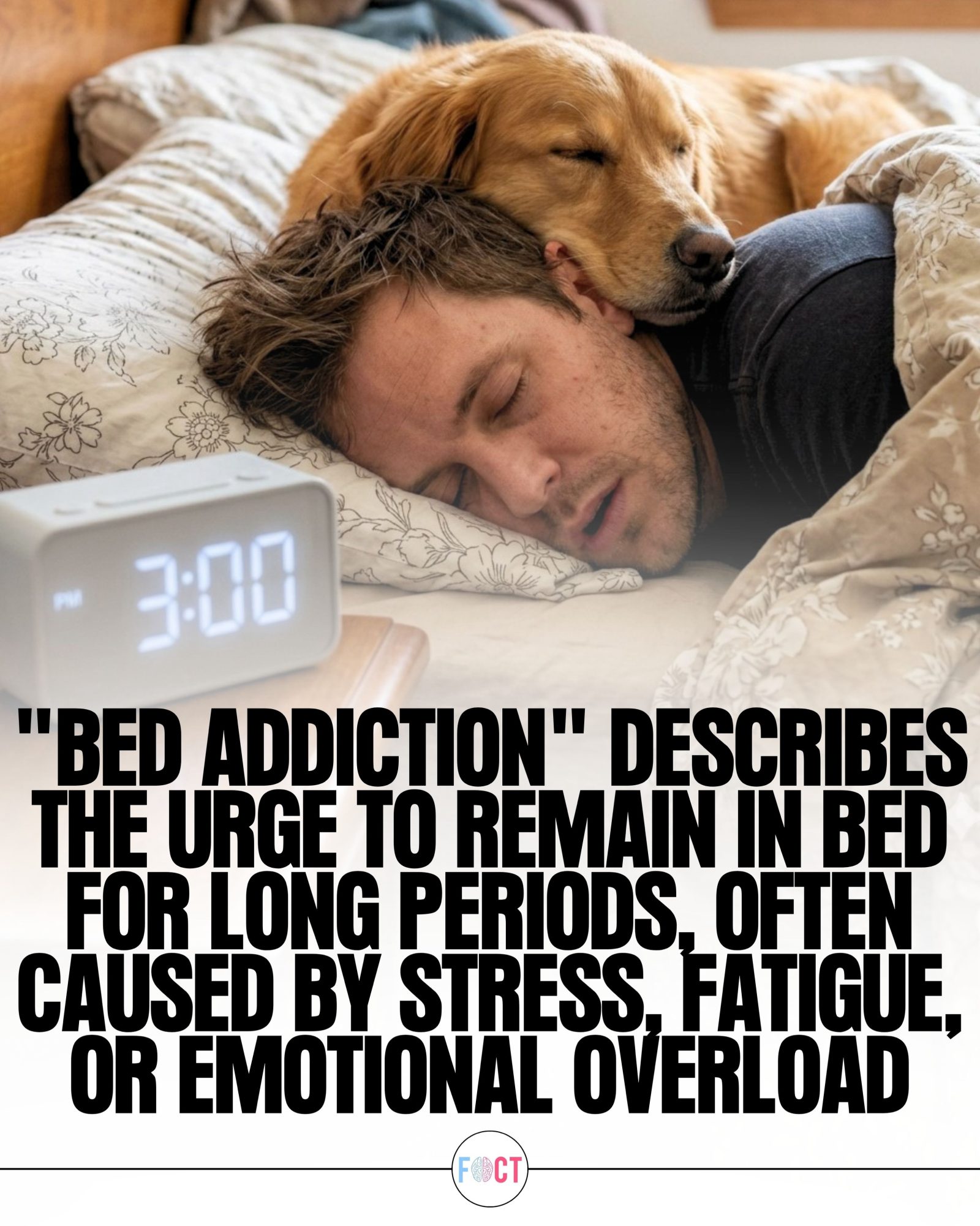
Bed Addiction: Understanding the Urge to Stay in Bed
Bed addiction, or clinomania, describes the powerful urge to stay in bed for extended periods. This phenomenon is not an official medical diagnosis, but it is often linked to various underlying issues such as anxiety, depression, burnout, chronic fatigue, sleep problems, and emotional stress. Understanding bed addiction involves delving into its causes, effects, and how to address it.
Context / Why this matters
For many people, the bed can feel like a sanctuary—a place of comfort and security. While occasional indulgence in bed rest is normal, when this behavior becomes persistent and interferes with daily life, it can be a sign of deeper issues. Recognizing the signs of bed addiction and understanding its underlying causes is crucial for taking steps toward better mental and physical health.
Main discussion
What is Bed Addiction?
Bed addiction, also known as clinomania, is characterized by a strong desire to stay in bed for long periods. This can manifest as difficulty getting out of bed in the morning, avoidance of daily responsibilities, and a general lack of motivation. It is not merely about enjoying sleep but about finding the bed a safer, quieter, and easier place to be than dealing with the outside world.
Causes of Bed Addiction
Several factors can contribute to bed addiction. Some of the most common causes include:
- Stress and Anxiety: Chronic stress and anxiety can make the idea of facing the day overwhelming. The bed can provide a sense of security and escape from these pressures.
- Depression and Emotional Overload: Depression often brings a profound sense of fatigue and lack of motivation, making it difficult to leave the bed.
- Burnout: Continuous mental and physical exhaustion can lead to a state of burnout, where the bed becomes a refuge from the demands of life.
- Chronic Fatigue: Conditions like chronic fatigue syndrome can make it physically challenging to function, leading to prolonged bed rest.
- Sleep Problems: Disruptions in sleep patterns, such as insomnia or poor sleep quality, can make staying in bed seem more appealing.
The Role of Emotional Overload
For many, bed addiction is not about wanting to sleep but about finding the bed a safer and quieter place to be. The bed can offer a temporary respite from emotional overwhelm, stress, and the demands of daily life. This emotional overload can be exacerbated by factors like lack of social support, unresolved trauma, or excessive workload.
The Impact on Daily Life
While staying in bed may provide short-term relief, it can have significant long-term effects. Prolonged bed rest can lead to:
- Decreased Physical Health: Prolonged inactivity can result in muscle weakness, joint stiffness, and other health issues.
- Mental Health Challenges: Isolation and lack of engagement in daily activities can worsen mental health conditions.
- Social Isolation: Withdrawal from social activities and relationships can lead to feelings of loneliness and further emotional distress.
Practical tips
Addressing Bed Addiction
If you or someone you know is struggling with bed addiction, here are some practical steps to consider:
-
Seek Professional Help: Consulting a mental health professional can help identify the underlying causes and develop a personalized treatment plan. This may include therapy, medication, or lifestyle changes.
-
Establish a Routine: Creating and sticking to a daily routine can help regulate sleep patterns and provide structure. This might include setting a consistent wake-up time, scheduling activities, and avoiding prolonged bed rest.
-
Gradual Exposure: Gradually increasing physical activity and engagement in daily tasks can help build stamina and motivation. Start with small, manageable steps and gradually increase the duration and intensity of activities.
-
Mindfulness and Relaxation Techniques: Practices like mindfulness meditation, deep breathing, and yoga can help manage stress and anxiety, making it easier to leave the bed.
-
Social Support: Connecting with friends, family, or support groups can provide emotional support and encouragement. Sharing experiences and seeking advice from others can be invaluable.
-
Healthy Sleep Hygiene: Maintaining good sleep habits, such as a comfortable sleep environment, avoiding screens before bed, and limiting caffeine and alcohol, can improve sleep quality and reduce the urge to stay in bed.
Important takeaways
Bed addiction is a complex issue rooted in various psychological and emotional factors. Understanding its causes and effects is the first step toward addressing it. By seeking professional help, establishing a routine, and prioritizing mental and physical health, it is possible to overcome this challenge and regain control over daily life.
Conclusion
Recognizing the signs of bed addiction and understanding its underlying causes is crucial for taking steps toward better mental and physical health. By addressing the deeper issues and making positive lifestyle changes, it is possible to break the cycle of bed addiction and lead a more fulfilling life. Always remember, the bed may be a comfort zone, but it is essential to balance rest with activity and engagement in daily life.
Questions readers ask
What are the common symptoms of bed addiction?
Symptoms of bed addiction, or clinomania, include an overwhelming desire to stay in bed for long periods, difficulty getting out of bed, and a lack of motivation to engage in daily activities. This behavior often leads to disrupted routines and can be accompanied by feelings of guilt or frustration.
What causes someone to develop bed addiction?
Bed addiction can stem from various factors, including stress, depression, anxiety, burnout, and emotional overwhelm. Physical issues such as chronic fatigue and sleep problems can also contribute to the urge to stay in bed. It's often a coping mechanism for underlying issues or a result of excessive stress and fatigue.
How does bed addiction affect daily life?
Bed addiction can significantly disrupt daily routines. People may struggle to maintain personal hygiene, attend to work or school commitments, or engage in social activities. This can lead to further stress, isolation, and a decline in overall well-being. Recognizing these effects is crucial for seeking appropriate help.
Is bed addiction the same as sleep addiction?
Bed addiction and sleep addiction are related but distinct. Bed addiction involves a compulsive desire to stay in bed, which may or may not involve excessive sleep. Sleep addiction, on the other hand, specifically refers to an excessive need for sleep, often leading to oversleeping. Both conditions can disrupt daily life and indicate underlying issues.
What are some strategies for overcoming bed addiction?
Overcoming bed addiction often involves addressing the underlying causes, such as stress or depression. Setting a consistent sleep schedule, gradually increasing activity levels, and engaging in regular exercise can help. Seeking support from a mental health professional can also provide valuable guidance and strategies.
When should I seek help for bed addiction?
If the urge to stay in bed is persistent and affecting your ability to function in daily life, it's important to seek help. Consulting a healthcare professional can provide a thorough assessment and appropriate interventions. Early intervention can prevent further disruption to daily routines and overall health.
What are some signs that a person might need help with bed addiction?
Some signs that a person might need help with bed addiction include feelings of guilt, frustration, or anxiety due to excessive time spent in bed, difficulty completing daily tasks, and a noticeable decline in overall well-being. If you or someone else is experiencing these signs, it may be beneficial to consult a healthcare professional.
Recent articles
Fresh deep dives from the latest Reels we unpacked.




Comments
Be the first to comment.