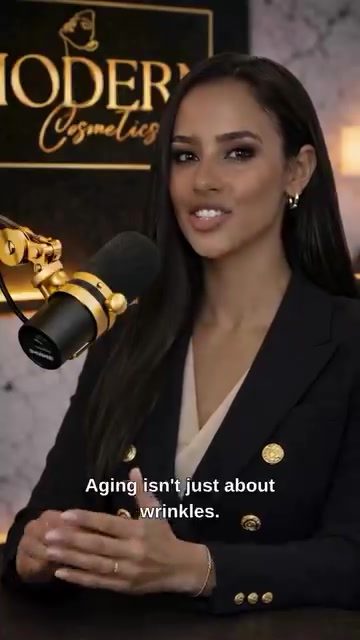
Cosmetics and Aging
Most people associate aging with wrinkles. However, the changes that occur beneath the skin play a significant role in how our faces develop over time. Understanding this deeper level of transformation helps tailor cosmetics and treatments to enhance natural beauté.
Why This Matters
As we age, the structural changes beneath the skin can lead to significant shifts in our appearance. Fat pads may descend, bone structure changes, and collagen levels decline. These underlying changes are not always visible to the naked eye, but they impact how we look and feel as we get older. Understanding these deeper transformations helps focus on effective treatments that address the root cause of aging rather than just the surface symptoms.
The Anatomy of Aging
Structural Changes
The skin's foundation, composed of fat pads, bone, and collagen, undergoes several changes as we age. Here are some of the key structural shifts to be aware of:
- Fat Pads: Over time, fat pads, particularly in the cheeks and under the eyes, descend and lose volume. This descent can lead to a hollowed appearance and the development of wrinkles and sagging.
- Bone Structure: The shape of the bones in the face can change, leading to a loss of support for the skin and other tissues. This can result in a more pronounced appearance of jowls and a decrease in facial volume.
- Collagen Decline: Collagen, a protein that provides structure and elasticity to the skin, declines with age. This reduction in collagen can lead to thinner, less supple skin that is more prone to wrinkles and sagging.
The Role of Cosmetics
Effective aesthetic medicine focuses on addressing these structural changes rather than merely treating the surface symptoms like wrinkles. Here’s how cosmetics can play a role:
- Restoring Balance: By understanding the anatomy of aging, aesthetic treatments can aim to restore the balance in the skin’s structure. This approach can enhance natural features and improve overall appearance without looking artificial.
- Supporting Structure: Cosmetics can support the skin’s structure by targeting the underlying issues. For instance, treatments like dermal fillers can restore volume in areas where fat pads have descended, helping to lift and smooth the skin.
- Enhancing Natural Beauty: The goal of true aesthetic medicine is to support and enhance what’s already there rather than drastically changing it. By focusing on structure, treatments can help maintain and even enhance natural beauty.
Practical Tips for Addressing Aging
Understanding Your Skin
Before choosing any treatment, it's essential to have a comprehensive understanding of your skin's structure and the specific areas of concern. Consulting with a professional can offer personalized insights and recommendations tailored to your unique needs.
Personalised Treatment Plans
Complimentary consultations, such as those offered by MODER'N Cosmetics, can help you develop a personalized treatment plan. These consultations take into account your specific concerns and goals, ensuring that the chosen treatments are effective and tailored to your needs.
Treatment Options
When addressing structural changes, various treatment options can be considered:
- Dermal Fillers: These can be used to restore volume in areas where fat pads have descended, helping to smooth out wrinkles and enhance facial contours.
- Collagen-Boosting Treatments: Procedures and skincare products that stimulate collagen production can help improve skin elasticity and thickness.
- Non-Invasive Procedures: Techniques like micro-needling or radiofrequency treatments can stimulate collagen production and improve skin texture without surgical intervention.
Important Takeaways
Understanding the deeper changes that occur as we age is crucial for effective cosmetic treatments. By focusing on the underlying structure and anatomy, we can achieve more natural and lasting results.
- Structural Changes: The real changes of aging happen beneath the skin, impacting fat pads, bone structure, and collagen levels.
- Treatment Focus: Effective aesthetic medicine focuses on restoring balance and supporting structure, rather than chasing surface-level wrinkles.
- Personalized Approach: Consultations and personalized treatment plans can help address specific concerns and goals, ensuring the chosen treatments are effective and tailored to individual needs.
Conclusion
Cosmetics and aging are interconnected in complex ways, with structural changes beneath the skin playing a significant role in how we age. By understanding these deeper transformations, we can focus on effective treatments that address the root causes of aging rather than just the surface symptoms. This holistic approach not only enhances natural beauty but also ensures that the results are long-lasting and natural-looking.
Questions readers ask
What are fat pads and how do they change with age?
Fat pads are layers of fatty tissue beneath the skin that provide volume and support to the face. As we age, these pads can descend, leading to changes in facial contours, such as hollow cheeks or jowls. Understanding this shift is crucial for selecting the right cosmetics and treatments to restore youthful fullness.
How does bone structure change during the aging process?
Bone structure in the face can change over time, becoming narrower and less pronounced. This is due to a gradual loss of bone density and changes in bone shape. These alterations can lead to a more aged appearance, so addressing bone structure is vital in aesthetic medicine and anti-aging treatments.
What role does collagen play in the skin aging process?
Collagen is a protein that provides skin with its structure, elasticity, and strength. As we age, collagen production slows, and existing collagen fibers degrade. This loss of collagen results in wrinkles, sagging, and a loss of firmness, making it a key target for anti-aging treatments.
Why is it important to consider the deep skin layers when addressing aging?
The deep skin layers undergo significant changes with age, including loss of collagen, changes in fat distribution, and alterations in bone structure. Focusing on these deeper layers can lead to more effective and lasting results in enhancing natural beauty and addressing the true causes of aging.
How do changes in the deeper skin layers impact facial appearance?
Changes in the deeper skin layers, such as shifts in fat pads and bone structure, can lead to noticeable changes in facial appearance, including hollow cheeks, a more pronounced nose, and a less defined jawline. Understanding these changes allows for more targeted and effective treatments.
What types of treatments can address the deeper changes in skin structure?
Treatments that address the deeper changes in skin structure include injectables like fillers, which can restore lost volume, and procedures like threads or radiofrequency treatments, which can stimulate collagen production and improve skin elasticity. Non-invasive treatments like facial exercises and a balanced diet can aid in maintaining overall skin health.
Why is it beneficial to focus on the root causes of aging, rather than just surface symptoms?
Addressing the root causes of aging, such as changes in fat pads, bone structure, and collagen levels, can lead to longer-lasting and more natural-looking results. This holistic approach allows for more effective and targeted treatments, enhancing natural beauty and overall confidence.
Recent articles
Fresh deep dives from the latest Reels we unpacked.




Comments
Be the first to comment.