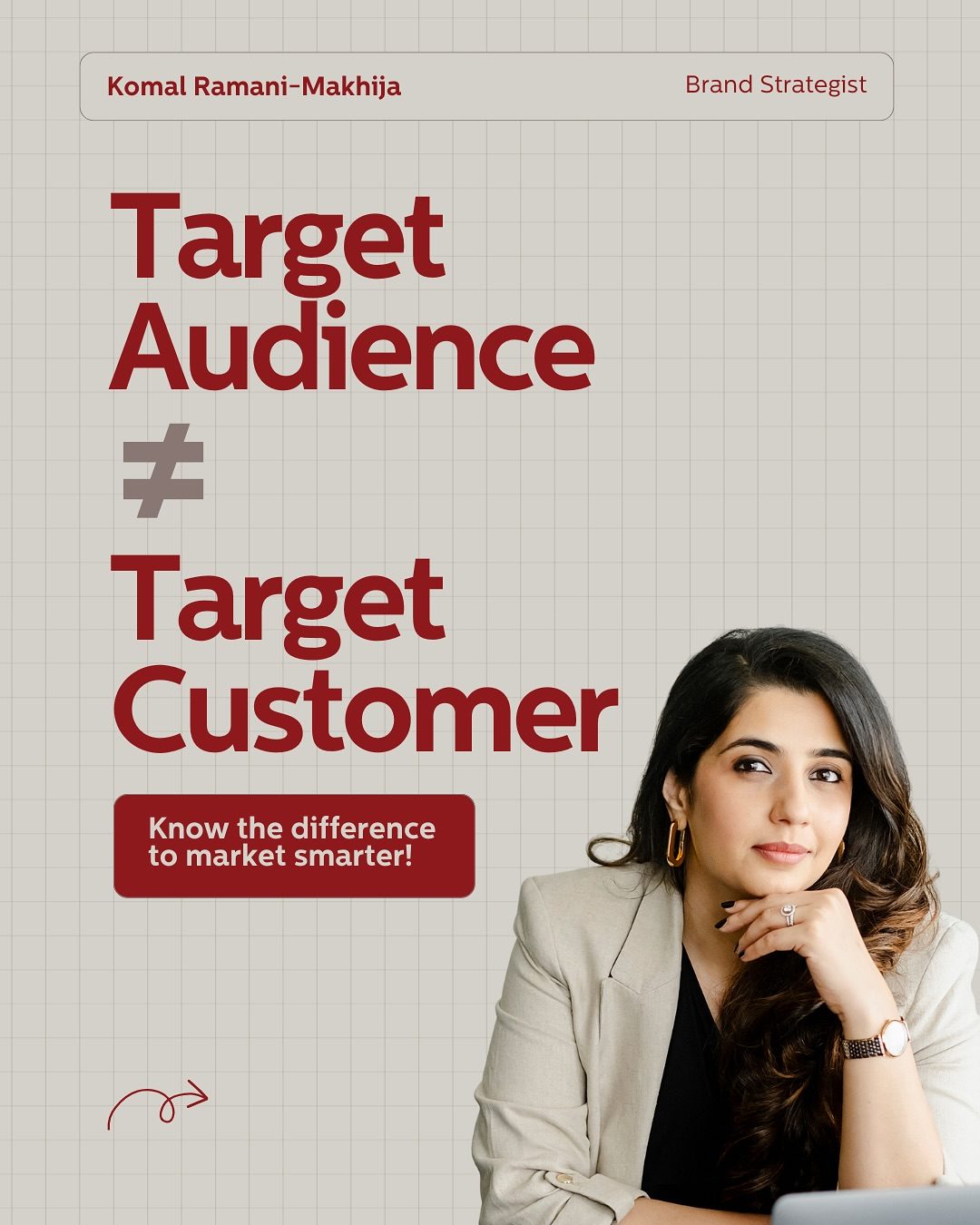
Target Audience vs. Target Customer
Content creators and marketers often strive for likes, shares, and saves, but these metrics don't always translate into conversions. The key to turning attention into action lies in understanding the difference between a target audience and a target customer.
Why this Matters
Recognizing the distinction between your target audience and target customer is crucial for effective marketing. It helps you tailor your messages to attract the right people—the ones ready to convert into paying customers. This understanding can significantly improve your marketing strategy and increase conversions.
Main Discussion
Understanding the Target Audience
Your target audience is the group of people who are browsing your content, possibly saving it for later, but not taking immediate action. They are interested in your content but may not be ready to make a purchase. This group is valuable for building brand awareness and generating interest, but they are not yet at the point of conversion.
Identifying the Target Customer
On the other hand, your target customer is someone who is ready to buy. These individuals do not have the time to conduct extensive research; they are looking for solutions to their problems quickly and efficiently. They want someone they can trust to solve their issues fast. Understanding this segment allows you to focus your marketing efforts on those who are ready to convert, thereby increasing your conversion rates.
The Key Differences
Recognizing the key differences between your target audience and target customer can help you market smarter:
- Behavior: Your target audience is browsing and saving content, while your target customer is actively seeking solutions and ready to make a purchase.
- Intent: The target audience is interested but not yet ready to commit, whereas the target customer is ready to buy and needs immediate solutions.
- Trust: Customers are looking for trustworthy sources to solve their problems quickly, while the audience might be more open to general information and entertainment.
The Market Difference
Marketing to your target audience involves creating engaging content that captures their attention and encourages them to follow your brand. In contrast, marketing to your target customer involves delivering clear, concise solutions to their problems, highlighting your reliability and expertise. The key is to know the market difference to tailor your messaging accordingly.
Practical Tips
Tailoring Your Content
When creating content, consider your goals. Are you aiming to attract a broader audience or convert existing interest into sales? Tailoring your content to each segment can significantly improve your marketing effectiveness.
Building Trust
For your target customer, trust is paramount. Offering quick, reliable solutions and demonstrating your expertise can build trust and encourage them to choose your brand over competitors.
Engaging Your Audience
For your target audience, engagement is key. Create content that is entertaining, informative, and encourages interaction. This can help build a loyal following and generate interest, even if they are not yet ready to convert.
Important Takeaways
Understanding the difference between your target audience and target customer is essential for effective marketing. It allows you to tailor your content and messages to attract both groups, increasing your overall reach and conversions. By recognizing the behaviors, intents, and needs of each group, you can market smarter and achieve better results.
Conclusion
Knowing the difference between a target audience and a target customer allows you to create more effective marketing strategies. By understanding their behaviors, intents, and needs, you can tailor your content to attract both groups and increase your conversions. This knowledge is invaluable for any marketer or content creator looking to turn attention into action.
Questions readers ask
What is the primary difference between a target audience and a target customer?
The primary difference lies in their intent. A target audience is engaged with your content and may save it for future reference, but they are not actively looking to make a purchase. In contrast, a target customer is ready to buy and is actively seeking solutions that your product or service can provide.
Why is it important for content creators to understand the difference between these two groups?
Understanding the difference helps content creators tailor their messages effectively. By recognizing who is ready to convert, creators can adjust their content and marketing strategies to better attract and engage those potential customers, ultimately driving more sales and conversions.
How can I identify my target customer within my target audience?
To identify your target customer, look for individuals within your target audience who are actively engaging with content related to solutions or products. This might include those asking specific questions, seeking recommendations, or showing a clear interest in purchasing similar items. Engage with them directly to understand their needs and guide them towards your offerings.
What strategies can I use to convert my target audience into paying customers?
To convert your target audience, focus on building trust and providing valuable content that addresses their pain points. Offer clear calls-to-action, create targeted content that highlights the benefits of your product or service, and use testimonials or case studies to show real-world applications and success stories.
Should I create different content for my target audience and target customer?
Yes, it can be beneficial to create different content for each group. For your target audience, focus on informative and engaging content that builds awareness and interest. For your target customer, create content that directly addresses their needs and guides them through the purchasing process, highlighting how your product or service can solve their problems.
How can understanding the difference between these groups improve my marketing strategy?
Understanding the difference allows you to segment your audience more effectively, enabling more personalized and relevant marketing efforts. This can lead to higher engagement, better conversion rates, and a more efficient use of your marketing resources. Tailor your messages and content to the specific needs and interests of each group to maximize impact.
What are some common mistakes to avoid when targeting a ready-to-buy customer?
Avoid overwhelming them with too much information or irrelevant content. Be clear and concise about the benefits of your product or service, and make the purchasing process as smooth and straightforward as possible. Additionally, ensure your content addresses their specific needs and pain points, showing them how your solution can directly benefit them.
Recent articles
Fresh deep dives from the latest Reels we unpacked.




Comments
Be the first to comment.