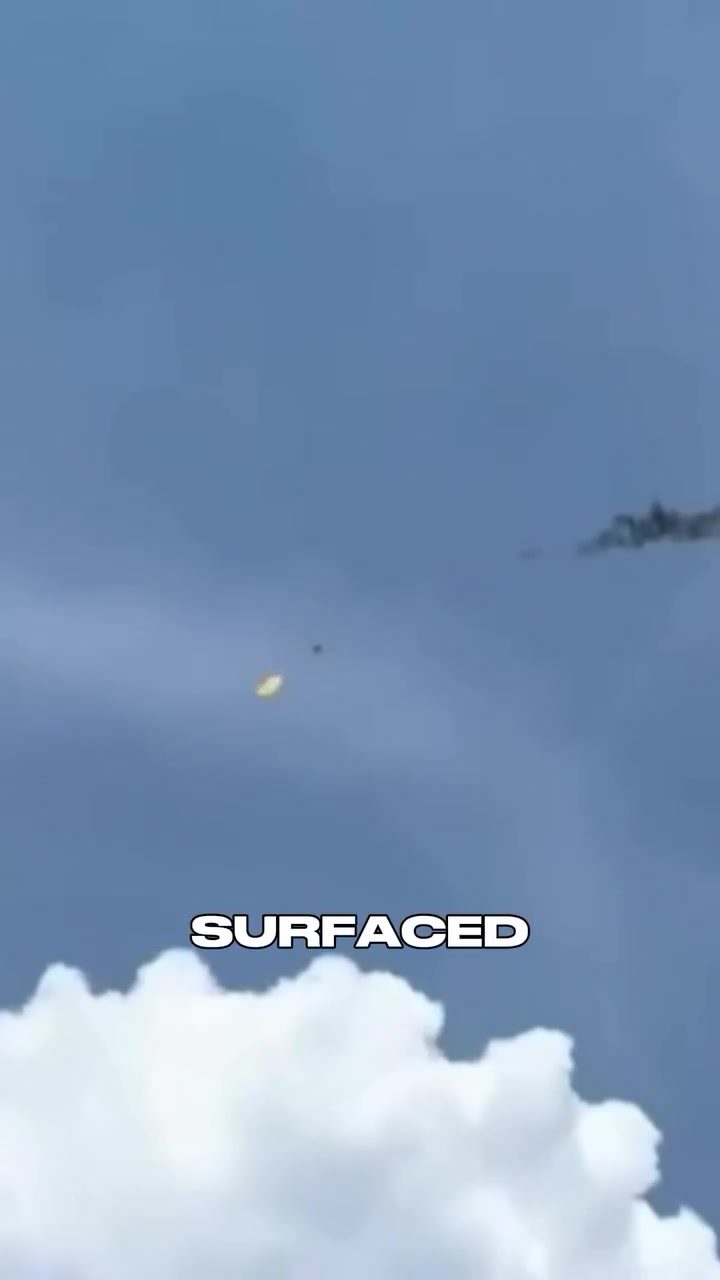
Kamikaze UAVs pose significant risks to populated areas, as seen in a June 7, 2026 incident in Zaporizhzhia. The city, a major southeastern Ukrainian hub near the front lines, frequently encounters waves of Russian UAVs and missile attacks. Ukrainian air defenses typically intercept most threats, but the debris and strikes still result in damage and casualties in the area.
Context: the Ukraine conflict and the role of UAVs
The ongoing conflict in Ukraine has seen an increased use of Unmanned Aerial Vehicles (UAVs) by both sides. These devices, often referred to as drones, have become integral to modern warfare due to their ability to gather intelligence, conduct surveillance, and even carry out attacks. The term "kamikaze" UAV is used to describe drones that are designed to crash into their targets, causing damage and destruction.
Zaporizhzhia, with its proximity to the front lines, has become a hotspot for these kinds of attacks. The city's infrastructure and residential areas are frequent targets, with Ukrainian air defenses working tirelessly to intercept incoming threats.
Understanding Kamikaze UAVs
What are Kamikaze UAVs?
Kamikaze UAVs, also known as suicide drones, are designed to crash into their targets, causing significant damage. These drones are typically smaller and less expensive than traditional military aircraft, making them a cost-effective weapon for modern warfare. They can carry explosives, or simply use their kinetic energy to cause destruction upon impact.
How do they work?
Kamikaze UAVs operate autonomously, using pre-programmed routes or real-time data to navigate to their targets. Once they reach their destination, they initiate a crash sequence, sacrificing themselves to cause maximum damage. These drones can be equipped with various payloads, including explosives, incendiary devices, or even chemical agents.
Why are they dangerous?
The primary danger posed by kamikaze UAVs is their ability to cause significant damage with minimal warning. Their small size and stealth capabilities make them difficult to detect and intercept, even with advanced air defense systems. Additionally, the debris and collateral damage from intercepted drones can still cause harm to civilians and infrastructure.
The Incident in Zaporizhzhia
The Wedding Photo Shoot Incident
On June 7, 2026, a wedding photo shoot in Zaporizhzhia was disrupted when Ukrainian air defenses shot down a Russian Shahed or Geran-2 kamikaze UAV directly overhead. This incident highlights the unpredictable nature of UAV attacks and the constant threat they pose to civilian activities.
The Impact on Civilian Life
The frequent waves of UAV and missile attacks in Zaporizhzhia have had a profound impact on civilian life. Residents live under the constant threat of attacks, which can strike at any time. The psychological toll of living in a war zone, coupled with the physical damage and casualties, has created a challenging environment for those in the city.
The Role of Air Defenses
Ukrainian air defenses play a crucial role in mitigating the impact of these attacks. Their effectiveness in intercepting most threats has undoubtedly saved lives and infrastructure. However, the debris from intercepted drones and the occasional successful strike still result in damage and casualties.
Practical Tips for Staying Safe in High-Risk Areas
Living in areas under constant threat from UAV attacks requires vigilance and preparedness. Here are some practical tips for staying safe:
Stay Informed
Keeping up-to-date with the latest information about potential threats and air defense capabilities can help individuals make informed decisions about their safety. Reliable news sources and official updates can provide valuable insights into ongoing conflicts and the measures being taken to protect civilians.
Follow Shelter-in-Place Protocols
Many high-risk areas have established shelter-in-place protocols designed to keep civilians safe during attacks. Familiarizing yourself with these protocols and having a plan in place can significantly enhance your chances of staying safe during a sudden attack.
Prepare an Emergency Kit
Having an emergency kit ready can be a lifesaver in high-risk areas. Essential items to include are first aid supplies, non-perishable food, water, a portable radio, flashlights, and any necessary medications. Regularly check and update your kit to ensure it remains useful and effective.
Maintain Communication
Staying in touch with family, friends, and local authorities can provide valuable support and information during times of crisis. Ensure your communication devices are fully charged and have backup power sources available. Knowing emergency contact numbers and communication protocols is also essential.
Important Takeaways
- Kamikaze UAVs pose a significant threat to populated areas due to their ability to cause sudden and unpredictable damage.
- Zaporizhzhia's frequent encounters with Russian UAVs and missile attacks highlight the ongoing conflict and the resulting toll on civilians.
- Air defenses are crucial in mitigating the impact of these attacks, but they are not foolproof in preventing all damage and casualties.
- Living in high-risk areas requires vigilance, preparedness, and a willingness to adapt to changing circumstances.
Conclusion
The incident in Zaporizhzhia underscores the challenges posed by kamikaze UAVs in modern warfare. These devices, with their ability to cause sudden and unpredictable damage, pose a significant threat to civilian life. Understanding the risks and being prepared can help mitigate the impact of these attacks. Air defenses, while not infallible, play a crucial role in protecting civilians and infrastructure. For those living in high-risk areas, staying informed, following safety protocols, and maintaining a sense of preparedness are essential steps in ensuring safety.
Questions readers ask
What are kamikaze drones and why are they used in the Ukrainian conflict?
Kamikaze drones are unmanned aerial vehicles (UAVs) designed to crash into targets, causing destruction and casualties. They are used in the Ukrainian conflict by Russian forces to target infrastructure and population centers, posing significant risks to civilians and civilian spaces, such as a wedding in Zaporizhzhia. They are often deployed in waves to overwhelm air defenses.
How do Ukrainian air defenses respond to drone threats?
Ukrainian air defenses actively intercept most incoming drone threats, including kamikaze drones. However, the debris from intercepted drones and the sheer volume of attacks can still result in damage and casualties. Advanced drone defense systems are crucial in mitigating these risks, particularly in populated areas near the front lines.
What happened during the June 2026 drone incident in Zaporizhzhia?
During the June 2026 incident, Zaporizhzhia faced a wave of Russian kamikaze drones, which put the city's population and an ongoing wedding at risk. Ukrainian air defenses managed to intercept the drones, but the event highlights the constant threat and the potential for civilian casualties during such attacks.
Why is Zaporizhzhia a significant target for drone attacks?
Zaporizhzhia, a major southeastern Ukrainian hub near the front lines, is a frequent target for Russian drone attacks. Its strategic importance and proximity to the conflict zone make it a high-value target, with civilian casualties often resulting from these attacks.
What role do drones play in modern warfare, as seen in the Ukraine conflict?
Drones play a multifaceted role in modern warfare, including intelligence gathering, surveillance, and direct attacks. In the Ukraine conflict, Russian kamikaze drones are used to target populated areas, forcing Ukrainian air defenses to continually adapt and respond to minimize civilian casualties and infrastructure damage.
How do drone attacks impact civilian life in Ukraine?
Drone attacks in Ukraine frequently disrupt civilian life, causing injuries, fatalities, and damage to infrastructure. The constant threat of drone attacks, particularly kamikaze drones, requires constant vigilance and response from Ukrainian air defenses, affecting the daily routines and safety of residents in areas like Zaporizhzhia.
Recent articles
Fresh deep dives from the latest Reels we unpacked.




Comments
Be the first to comment.