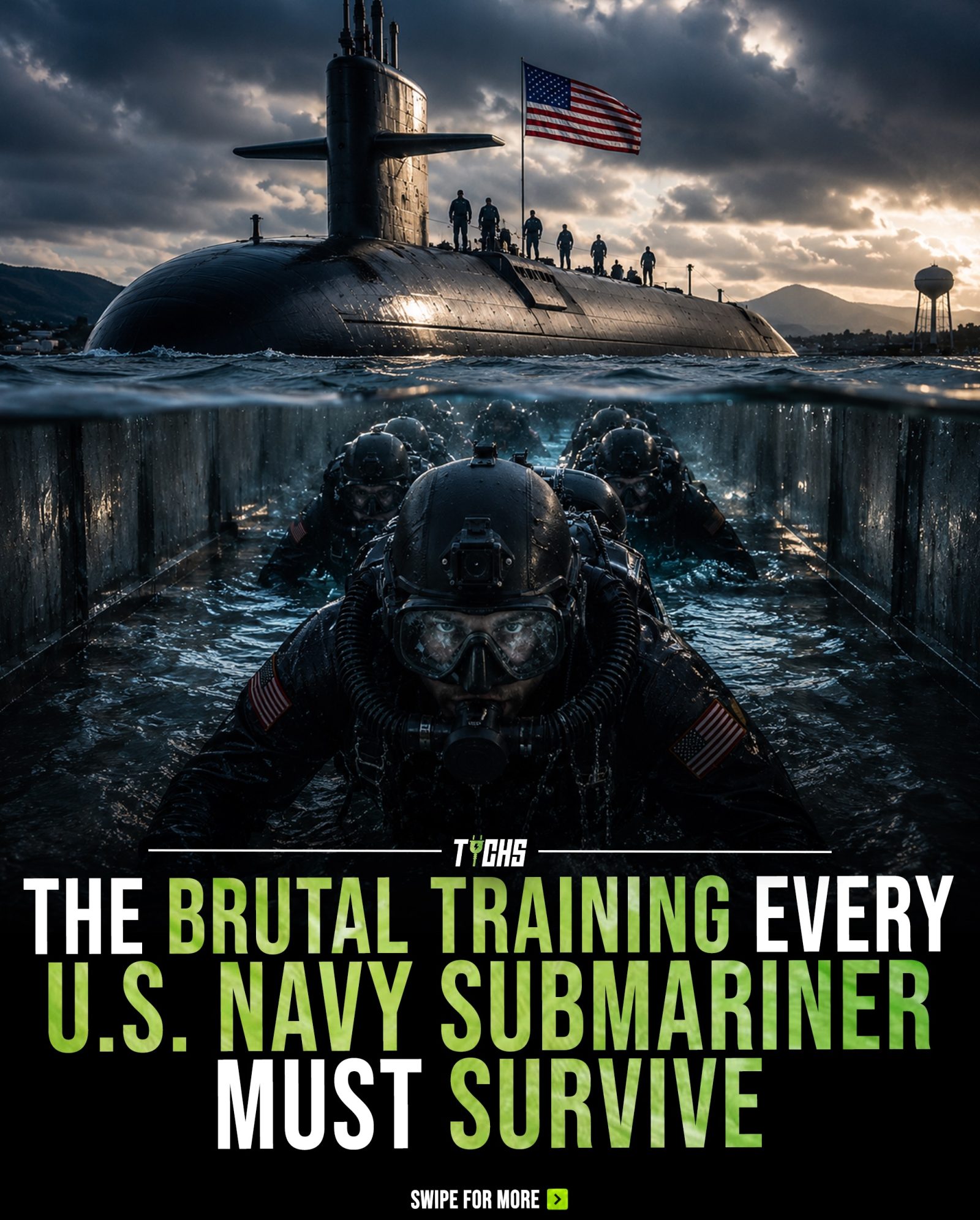
The Intensive Training of U.S. Navy Submariners
Every submariner in the U.S. Navy must endure one of the most rigorous training programs in the military. Before they can serve on a submarine worth billions, these sailors must complete an intensive eight-week course at the Basic Enlisted Submarine School. This program covers a wide range of critical skills, including stopping high-pressure floods, battling realistic fires, surviving extreme underwater pressure, and escaping from submerged training chambers. Each exercise is meticulously monitored to ensure that the trainees are prepared for the real-world scenarios they might face on active duty.
Why This Matters
The training program for U.S. Navy submariners is not just about physical endurance; it's about preparing individuals to handle some of the most dangerous and high-pressure situations imaginable. The stakes are incredibly high, as mistakes can have life-threatening consequences. The skills learned during this training are crucial for operating some of the world's most advanced submarines, which are not only technologically advanced but also highly valuable assets for the Navy.
The Rigorous Training Program
Flooding and High-Pressure Situations
One of the most challenging aspects of the training is learning to stop high-pressure floods. This involves understanding the intricacies of the submarine's systems and being able to react quickly and effectively in a high-stress environment. The training simulates real-world scenarios where every second counts, and trainees must demonstrate the ability to think clearly under extreme pressure.
Firefighting Techniques
Firefighting is another critical component of the training. Sailors learn to battle realistic fires, including Class A, oil, and electrical fires. They are taught to report emergencies accurately and extinguish fires with the correct equipment. This training often involves using a propane-powered fire trainer, which allows for a controlled yet realistic environment to practice these skills.
Pressure Chamber Testing
Surviving underwater pressure is a unique challenge for submariners. The training includes pressure chamber testing, where trainees experience the extreme conditions they might face during a real mission. This helps them understand the physiological and psychological effects of high-pressure environments and prepares them to handle these situations effectively.
Emergency Escape Procedures
Emergency escape procedures are among the most physically and mentally demanding parts of the training. Trainees learn to escape from submerged training chambers using specialized survival equipment, such as the Submarine Escape Immersion Equipment. This equipment supplies breathable air during ascent and includes a fluorescent orange life raft for improved visibility and rescue. The escape suit is designed to enhance survival and rescue chances, making it a crucial part of the training.
Fire Safety Training
Simulating Real Fires
Fire safety training is a critical aspect of the submariner's curriculum. Sailors practice fire extinguishing techniques in a simulated environment, where they face controlled fires that mimic Class A, oil, and electrical fires. This hands-on experience ensures that they are well-prepared to handle real emergencies, where knowing the correct procedures can mean the difference between life and death.
Emergency Response Training
Emergency response training is another vital component of the submariner's training. This involves responding to simulated emergencies, such as fires or explosions, with speed and precision. Trainees are taught to work as a team, coordinating their efforts to mitigate the damage and ensure the safety of the crew. The simulated scenarios are designed to be as realistic as possible, preparing the sailors for the unpredictable nature of real-world emergencies.
Practical Tips for Aspiring Submariners
For those considering a career as a U.S. Navy submariner, it's essential to understand the intense nature of the training. Here are some practical tips to help you prepare:
-
Physical Fitness: Maintain a high level of physical fitness. The training is physically demanding, and being in top condition will give you a better chance of success.
-
Mental Preparation: Prepare yourself mentally for the psychological challenges. The training is designed to push you to your limits, and mental resilience is crucial.
-
Teamwork: Learn to work effectively in a team. The training and real-world missions often require coordinated efforts, and being able to work well with others is essential.
-
Technical Knowledge: Gain as much technical knowledge as possible. Understanding the submarine's systems and equipment will give you a head start in the training program.
Important Takeaways
The training program for U.S. Navy submariners is designed to be brutal, and for good reason. The skills and knowledge gained during this intensive course are essential for operating some of the world's most advanced submarines. The training focuses on critical areas such as flooding, firefighting, pressure chamber testing, and emergency escape procedures, ensuring that submariners are well-prepared for the challenges they might face.
Conclusion
Becoming a U.S. Navy submariner is a highly demanding and rewarding career path. The training program is designed to push individuals to their limits, preparing them for the real-world challenges they will face. For those willing to take on this challenge, the rewards are immense, and the opportunity to serve aboard some of the world's most advanced submarines is a unique and prestigious honor.
Recent articles
Fresh deep dives from the latest Reels we unpacked.




Comments
Be the first to comment.