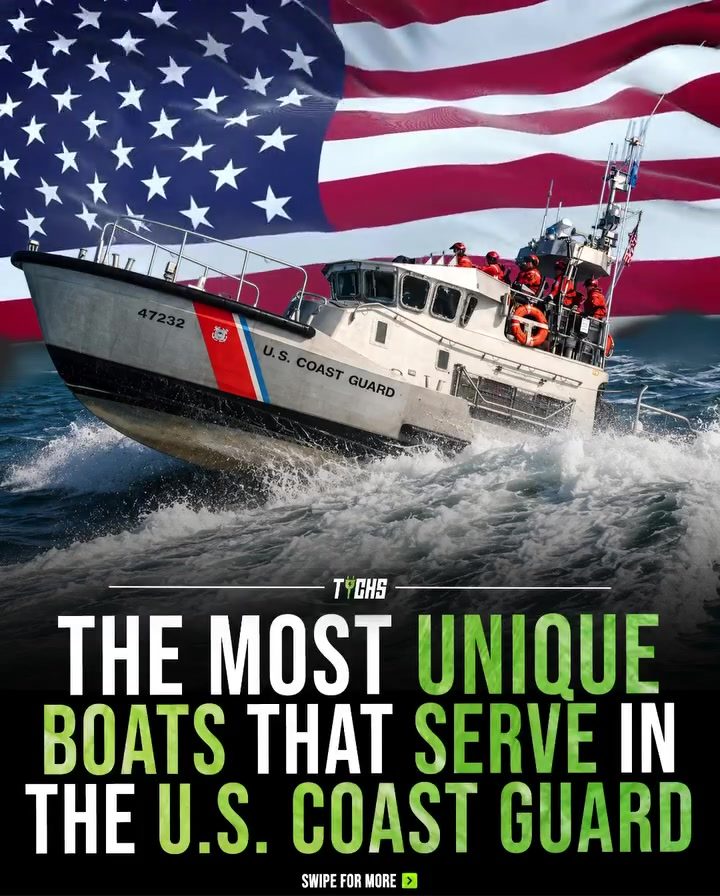
The Diverse and Specialized Fleet of the U.S. Coast Guard
The U.S. Coast Guard operates a fleet of boats as diverse as the missions they tackle. From self-righting motor lifeboats that navigate treacherous waters to heavy icebreakers that plow through Arctic conditions and high-speed law enforcement craft, the Coast Guard's boats are engineered for specific missions and environments. This engineering diversity is crucial for effective responses across oceans, rivers, ports, and the harshest conditions on earth. Each type of vessel has a unique design tailored to its mission, whether it's search and rescue, Arctic operations, or maritime security.
The Various Boats And Their Missions
Motor Lifeboats
Motor lifeboats, particularly self-righting models, are designed for search and rescue missions. These boats can handle rough seas and capsizing, making them ideal for rescuing people in distress. The unique design features a mechanism that allows the boat to right itself if it capsizes, ensuring the safety of both the crew and those being rescued.
Icebreakers
Heavy icebreakers are essential for Arctic operations. These vessels are built to navigate through thick ice, ensuring that shipping lanes remain open and that critical missions can be carried out in the harshest of conditions. Icebreakers often have reinforced hulls and powerful engines to break through ice, making them indispensable for Arctic missions.
Law Enforcement Craft
High-speed law enforcement craft are used for patrolling and enforcing maritime laws. These boats are designed for speed and agility, allowing them to quickly respond to incidents and intercept suspicious vessels. Their advanced technology and weaponry make them effective in maintaining maritime security.
Shallow Water Boats
Shallow water boats are designed for operations in confined spaces and shallow waters. These boats are often used for search and rescue missions in rivers, lakes, and coastal areas. Their shallow draft allows them to navigate areas where larger vessels cannot go, making them crucial for missions in these environments.
Transportable Security Vessels
Transportable security vessels are designed to be easily moved and deployed to various locations. These vessels can be transported by land or air to areas where security is needed. They are often used for temporary security measures in areas experiencing heightened threats.
Why This Matters
The diverse fleet of the U.S. Coast Guard is essential for carrying out a wide range of missions. Each type of boat is engineered to meet specific challenges, whether it's navigating through ice, responding to emergencies, or enforcing maritime laws. This diversity allows the Coast Guard to effectively protect lives, secure maritime borders, and carry out critical missions wherever they are needed.
The Coast Guard's engineering prowess is demonstrated in the design of their boats. Each platform is built with a specific purpose in mind, ensuring that it can perform effectively in its designated environment. This purpose-built engineering is a testament to the Coast Guard's commitment to innovation and excellence.
Maintaining Maritime Security
Whether it's through patrolling waterways, enforcing maritime laws, or conducting search and rescue missions, the Coast Guard's fleet of boats plays a crucial role in maintaining maritime security. The specialized vessels, engineered for specific missions, allow the Coast Guard to respond effectively to various threats and challenges.
One of the key missions of the Coast Guard is maritime security. This involves patrolling waterways, enforcing maritime laws, and conducting search and rescue missions. The specialized vessels, engineered for specific missions, allow the Coast Guard to respond effectively to various threats and challenges. For example, high-speed law enforcement craft are used for patrolling and enforcing maritime laws, while shallow water boats are designed for operations in confined spaces and shallow waters.
Practical Tips
When it comes to exploring the world of maritime security and the specialized boats used by the U.S. Coast Guard, understanding the specific missions and tasks of these boats can offer valuable insights. If you are a fan of maritime history and technologies, consider visiting maritime museums or attending Coast Guard open houses. These events often showcase various types of Coast Guard vessels and provide opportunities to learn more about their missions and the engineering behind them.
If you are interested in a career in the Coast Guard, exploring the different roles and specializations within the fleet can help you determine the best path. From operating motor lifeboats to serving on icebreakers, each role offers a unique experience and contributes to the overall mission of the Coast Guard.
For those interested in engineering and design, studying the engineering principles behind these specialized boats can be both fascinating and informative. Understanding how these vessels are designed and built to perform specific tasks can provide valuable insights into the world of maritime engineering.
Important Takeaways
The U.S. Coast Guard's fleet of boats is remarkably diverse, engineered for a wide range of missions from search and rescue to Arctic operations and maritime security. Each type of vessel is purpose-built to meet specific challenges, ensuring that the Coast Guard can respond effectively to various threats and challenges. The engineering and design of these boats are crucial to their success, demonstrating the Coast Guard's commitment to innovation and excellence in maritime operations.
Conclusion
The diverse and specialized fleet of the U.S. Coast Guard is a testament to their commitment to protecting lives and securing maritime borders. From motor lifeboats to icebreakers and high-speed law enforcement craft, each vessel is engineered for a specific mission and environment. This engineering diversity allows the Coast Guard to respond effectively to a wide range of challenges, ensuring that they can carry out critical missions wherever they are needed.
Questions readers ask
What types of boats does the U.S. Coast Guard operate?
The U.S. Coast Guard operates a variety of specialized boats, including motor lifeboats, heavy icebreakers, and high-speed law enforcement craft. Each type of vessel is designed for specific missions such as search and rescue, Arctic operations, and maritime security.
What makes U.S. Coast Guard boats unique?
U.S. Coast Guard boats are unique due to their specialized engineering tailored to specific missions. This includes self-righting lifeboats for rescue operations, heavy icebreakers for Arctic conditions, and high-speed craft for law enforcement and security.
What are the primary missions of the U.S. Coast Guard fleet?
The primary missions of the U.S. Coast Guard fleet include search and rescue, maritime security, Arctic operations, and law enforcement. Each boat type is designed to excel in these varied and often challenging environments.
How do motor lifeboats assist in rescue operations?
Motor lifeboats, particularly self-righting models, are designed to navigate treacherous waters and perform rescues in harsh conditions. Their unique design allows them to right themselves in the event of a capsize, ensuring that crew and rescuees remain safe.
What role do heavy icebreakers play in the Coast Guard's fleet?
Heavy icebreakers are used in Arctic operations and are designed to plow through thick ice to clear paths for other vessels. They are also used for scientific research and logistics in polar regions.
How do high-speed law enforcement boats contribute to maritime security?
High-speed law enforcement boats are equipped for rapid response and pursuit. They are used in operations to enforce maritime laws, intercept smugglers, and ensure the safety of ports and waterways.
What are the key features of self-righting motor lifeboats?
Self-righting motor lifeboats are designed with specific features that allow them to automatically right themselves in the event of a capsize. This includes a watertight hull, a buoyant design, and a retractable keel that helps the boat return to an upright position.
Related deep dives
Similar reads based on topic and creator.

Recent articles
Fresh deep dives from the latest Reels we unpacked.




Comments
Be the first to comment.