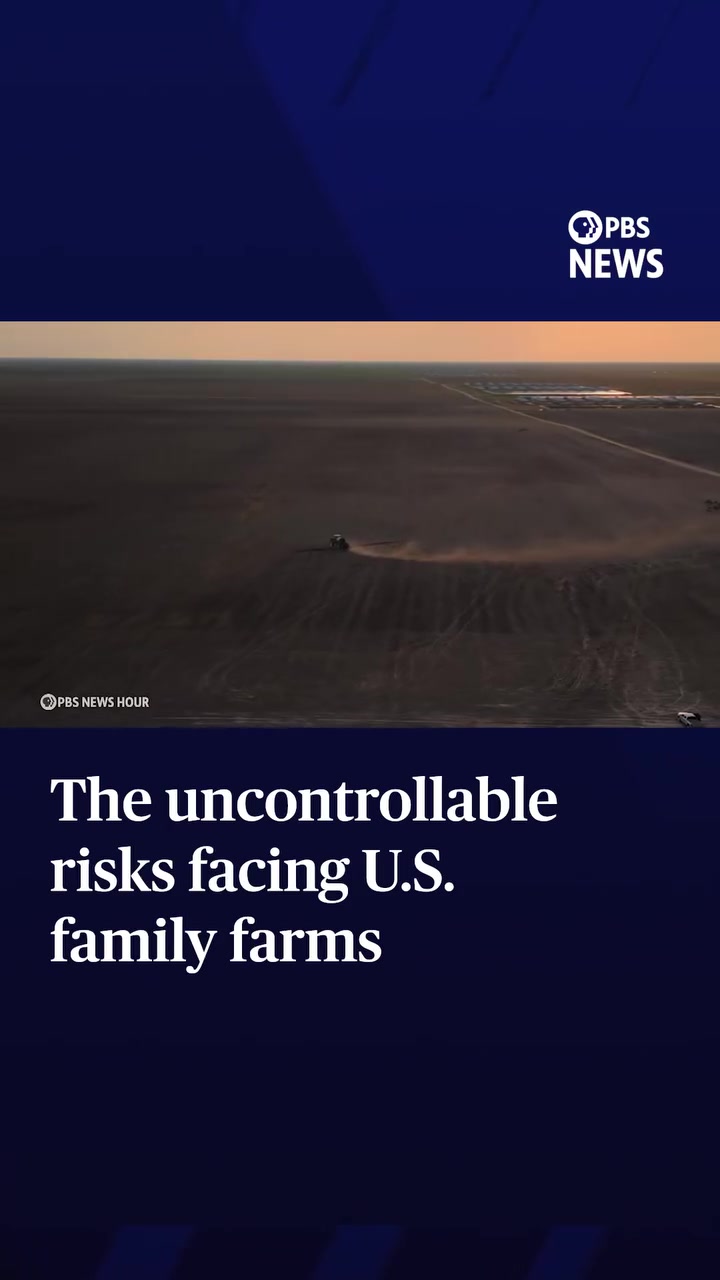
Farmland's shifting map
The number of farms in the U.S. has dropped by 10% over the past decade, falling to about 1.9 million farms by 2022. At the same time, the average farm size grew by 5%, but the economic landscape has become more challenging. This trend of fewer, larger farms isn't just a matter of shifting numbers. It's a sign of economic pressures that continue to shape American agriculture. The largest family operations — just 4% of all farms — now drive over half of all agricultural sales. So why are so many farms feeling the pinch?
The Paradox of modern farming
The agricultural landscape is filled with farms — the remaining small family operations face daunting economic conditions: volatile commodity prices, escalating land costs, and complex political and trade policies. These factors are forcing many farmers to grapple with financial difficulties. In the past, the solution could be to expand farm sizes and modernize equipment in search of greater yields. However, the challenge of financing the technology, seeds, and other resources has become a significant hurdle.
The risks of modern agriculture
Market Unpredictability
Farmers face a complex and unpredictable market, with no direct control over commodity prices or land costs. The challenges that American farmers and ranchers face are wide-ranging. Farmers rely on sales of commodities like wheat and corn for income, but market fluctuations and global politics can lead to significant volatility. In the current landscape of the farming industry, market volatility and external economic factors play a crucial role. According to Carpenter, farmers must navigate unpredictable prices for commodities, rising land costs, and the impact of politics and tariffs. These factors can swiftly alter the financial stability of farmers. Farmers have to grapple with a host of other concerns as well. For instance, they must deal with the financial burdens of keeping their land and harvesting crops. Additionally, the agricultural environment is subject to a variety of risks, ranging from inclement weather to changes in agricultural policies. Many farms are poorly compensated for their labor and resources. The risks of modern agriculture are multifaceted and unpredictable.
The Pressure to Expand
Expanding a farm's size is no longer just beneficial; it’s become necessary to remain economically feasible. The growth of the average family farm size highlights this trend. The rising operational costs, including technology, equipment, and seeds, further intensify what farmers need to produce economically. While advancing technology enables increased crop production, the high costs associated with acquiring the best equipment, seeds, and fertilizer can be financially crippling. This means that farmers can spend more on growing their crops, but it also pushes them to grow more to recoup their investments. Farmers face a dilemma: they need to produce more to make ends meet, but the costs to do so continue to rise. With fewer, larger farms becoming the norm, the increased acreage translates to increased costs for technology, seeds, and labor. Consequently, the pressure to scale up can often become a vicious cycle that can leave farmers feeling like they are juggling a heavy debt burden. This makes the most of technology, which could then reduce the cost and improve the yield. However, the cost of acquiring the best equipment, seeds, and fertilizer can be crippling. These added costs heighten the financial pressure, as farmers must produce more to cover the investments. It often leads to a financial Catch-22, where growing becomes essential to survive, but making the investment yields more expenses.
The Real-Life Isn’t Controllable
Farmers have no direct control over many of the key factors that can make or break their success, such as global commodity prices, land costs, and political policies. They can only stick their hands in and see what happens with the weather, commodity prices, land costs, and tariffs. However, they have no control over that. Even small events can have a major impact. In the United States, farmers continue to face an uphill battle against a variety of factors that are outside of their control. The American farmer is “kind of caught in a wicked loophole”. The situation is not all sunshine and rainbows. With political and trade policies constantly changing, these factors can significantly impact the profitability of a farm. This lack of control can leave farmers feeling like they are just trying to survive, constantly navigating a complex and unpredictable environment.
How to help farmers survive
- Stay Informed: Farmers must stay informed about market trends, government policies, and technological advancements to optimize their operations and navigate changing circumstances.
- Plan for Uncertainty: Financial forecasting and diversification of crops or revenue streams can provide a buffer against market volatility.
- Advocate for Supportive Policies: Engagement with policymakers can help shape regulations that favor farmers and mitigate risks.
Questions readers ask
What caused the decrease in the number of farms in the U.S. over the past decade?
The decrease in the number of farms in the U.S. can be attributed to several economic factors. The trend of fewer, larger farms is driven by financial pressures. These pressures come from the need to expand and modernize to keep up with rising operational costs, including technology, equipment, and seeds.
How do volatile commodity prices affect farmers?
Volatile commodity prices directly impact farmers' income, as they rely heavily on the sale of crops like wheat and corn. Fluctuations in these prices can lead to significant financial instability, making it difficult for farmers to plan and manage their operations effectively. This is especially challenging for small family operations, which make up a large portion of American farms.
What role do political and trade policies play in the challenges faced by farmers?
Political and trade policies can significantly impact farmers by influencing commodity prices and land costs. For instance, tariffs and trade agreements can alter the demand for certain crops, affecting farmers' revenues. Additionally, changes in agricultural policies can introduce new regulations or subsidies that either help or hinder farmers' ability to operate profitably.
Why do farmers need to expand their operations to remain economically feasible?
Expanding farm size has become necessary due to the rising costs of technology, equipment, and seeds. To recoup these investments, farmers need to produce more crops, which requires more land. However, this creates a vicious cycle where the costs to expand keep rising, making it even more challenging for farmers to maintain profitability.
What other risks do farmers face besides market unpredictability and the pressure to expand?
Farmers face a multitude of risks, including inclement weather, changes in agricultural policies, and the financial burdens of maintaining their land and harvesting crops. These risks, combined with the need to acquire advanced technology and equipment, create a complex and challenging environment for farmers to navigate.
Related deep dives
Similar reads based on topic and creator.

Recent articles
Fresh deep dives from the latest Reels we unpacked.




Comments
Be the first to comment.