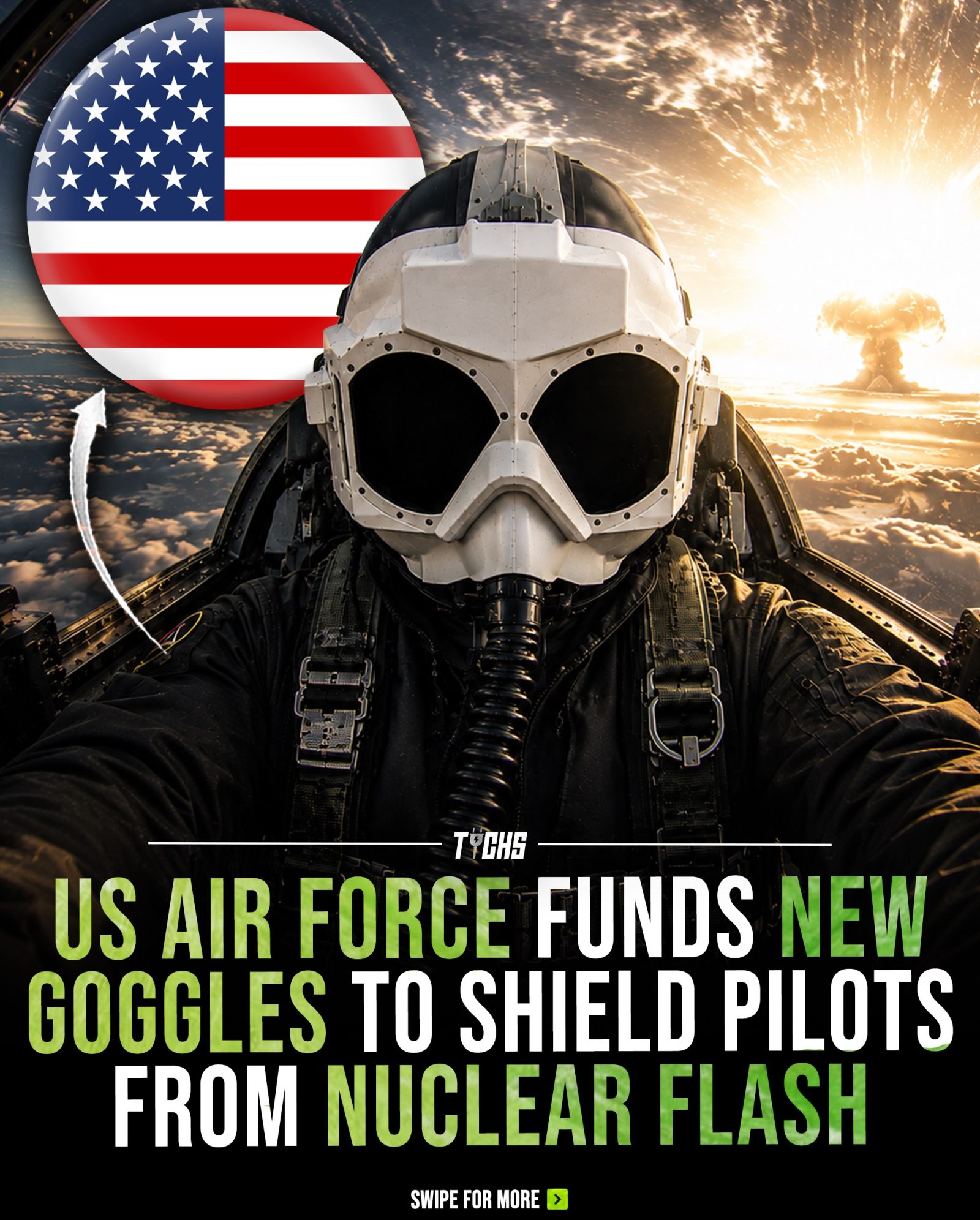
Pilot Goggles Technology
Pilot goggles designed to shield pilots from the intense flash of a nuclear explosion are a groundbreaking development in military aviation. These specialized goggles, developed with funding from the U.S. Air Force, are designed to darken rapidly during an extreme flash, reducing the amount of light reaching the eyes. This technology is crucial for helping pilots maintain their vision and continue operating in extreme conditions.
Why This Matters
The ability to operate effectively during and after a nuclear explosion is critical for military aviation. Pilots need to be able to see clearly to navigate and make critical decisions. The intense flash from a nuclear explosion can cause temporary flash blindness, which can be disastrous in high-stakes situations. The development of these goggles aims to mitigate this risk, ensuring that pilots can continue their missions safely and effectively.
Main Discussion
The Technology Behind the Goggles
The goggles are equipped with advanced technology that allows them to darken rapidly during an intense flash. This technology works by automatically adjusting the lens tint to reduce the amount of light reaching the eyes. The rapid darkening helps to limit temporary flash blindness, which is a common and debilitating effect of exposure to bright flashes of light, such as those from nuclear explosions.
Protecting Pilots' Vision
The primary goal of these goggles is to protect pilots' vision. In scenarios involving nuclear blasts, the goggles provide a crucial layer of protection by reducing the intensity of the light that reaches the eyes. This not only helps to prevent temporary blindness but also ensures that pilots can continue to operate effectively in extreme conditions. The goggles are designed to be worn comfortably and provide clear vision in normal lighting conditions, making them practical for everyday use in military aviation.
Testing and Development
The development of these goggles involves rigorous testing to ensure their effectiveness and reliability. The U.S. Air Force has been instrumental in funding and overseeing the development process. The goggles have been tested in various simulated and real-world scenarios to ensure they meet the necessary safety and performance standards. This includes testing the goggles' ability to darken rapidly and effectively in response to intense flashes of light.
Applications in Military Aviation
The goggles have several applications in military aviation. They are designed to be used in fighter jets and other military aircraft where the risk of exposure to intense flashes is high. The technology can also be adapted for use in other military equipment and vehicles, providing a broader range of protection for military personnel. Additionally, the goggles can be used in training and simulation exercises to prepare pilots for potential nuclear flash scenarios.
Practical Tips
For those involved in the development and deployment of these goggles, several practical tips can ensure their effective use:
Proper Maintenance
Ensure that the goggles are properly maintained and regularly inspected for any signs of wear or damage. Regular maintenance will help to prolong the lifespan of the goggles and ensure they function correctly when needed.
Training and Familiarization
Pilots should be familiarized with the goggles and their operation before they are used in real-world scenarios. This includes understanding how to activate and deactivate the darkening feature and how to adjust the goggles for comfort and clarity.
Integration with Other Equipment
The goggles should be integrated with other military equipment and systems to ensure seamless operation. This includes compatibility with helmets, headsets, and other protective gear. Proper integration will ensure that the goggles do not interfere with the pilot's ability to perform their duties effectively.
Important Takeaways
Key Features
The most important feature of these goggles is their ability to darken rapidly during an intense flash. This feature is crucial for protecting pilots' vision and ensuring they can continue to operate effectively in extreme conditions.
Safety and Protection
The goggles provide a critical layer of protection for pilots, helping to prevent temporary flash blindness and ensuring they can make critical decisions and navigate safely.
Development and Testing
The development of these goggles involves rigorous testing and oversight to ensure their effectiveness and reliability. The U.S. Air Force has been instrumental in funding and overseeing this process.
Future Applications
The technology behind these goggles has the potential for broader applications in military aviation and other fields. As the technology continues to evolve, it may be adapted for use in a wider range of military equipment and vehicles.
Conclusion
The development of specialized pilot goggles designed to shield pilots from the intense flash of a nuclear explosion is a significant advancement in military aviation. These goggles, developed with funding from the U.S. Air Force, provide a crucial layer of protection for pilots, helping to ensure they can continue to operate effectively in extreme conditions. The technology behind these goggles is groundbreaking, and their potential applications are vast. As the development and testing continue, these goggles will play an increasingly important role in safeguarding military personnel and ensuring mission success.
Questions readers ask
How do TYCHS Goggles protect pilots from nuclear flashes?
TYCHS Goggles are equipped with a rapid darkening mechanism that shields pilots' eyes from the intense light of a nuclear explosion. This prevents temporary blindness, allowing pilots to maintain clear vision and navigate safely during and after a nuclear event.
Who developed the technology behind TYCHS Goggles?
The technology behind TYCHS Goggles was developed with funding from the U.S. Air Force, specifically to address the need for enhanced visual protection for pilots in extreme conditions, including nuclear flashes.
What makes TYCHS Goggles essential for military aviation?
TYCHS Goggles are essential because they enable pilots to operate effectively during and after a nuclear explosion. By preventing temporary blindness, these goggles ensure that pilots can continue to navigate and make critical decisions in high-stakes situations.
Can TYCHS Goggles be used in other extreme conditions besides nuclear flashes?
While designed specifically for nuclear flash protection, the rapid darkening technology in TYCHS Goggles could potentially be useful in other scenarios involving intense light. However, their primary purpose is to safeguard pilots from the unique challenges posed by nuclear explosions.
What is the significance of clear vision for pilots during a nuclear event?
Clear vision is vital for pilots during a nuclear event as it allows them to navigate accurately and make informed decisions. The intense flash of a nuclear explosion can cause temporary blindness, which could be catastrophic in high-stakes military operations.
How do TYCHS Goggles compare to standard pilot goggles?
Unlike standard pilot goggles, TYCHS Goggles are specifically designed to handle the extreme conditions of a nuclear flash. They feature advanced technology that rapidly darkens to protect pilots' eyes, ensuring they can maintain their vision and continue their mission effectively.
What are the benefits of TYCHS Goggles for military aviation safety?
TYCHS Goggles significantly enhance military aviation safety by providing pilots with reliable protection against nuclear flashes. This ensures that pilots can maintain their operational capabilities and make crucial decisions, even in the most extreme conditions, preventing potential disasters due to temporary blindness.
Recent articles
Fresh deep dives from the latest Reels we unpacked.




Comments
Be the first to comment.