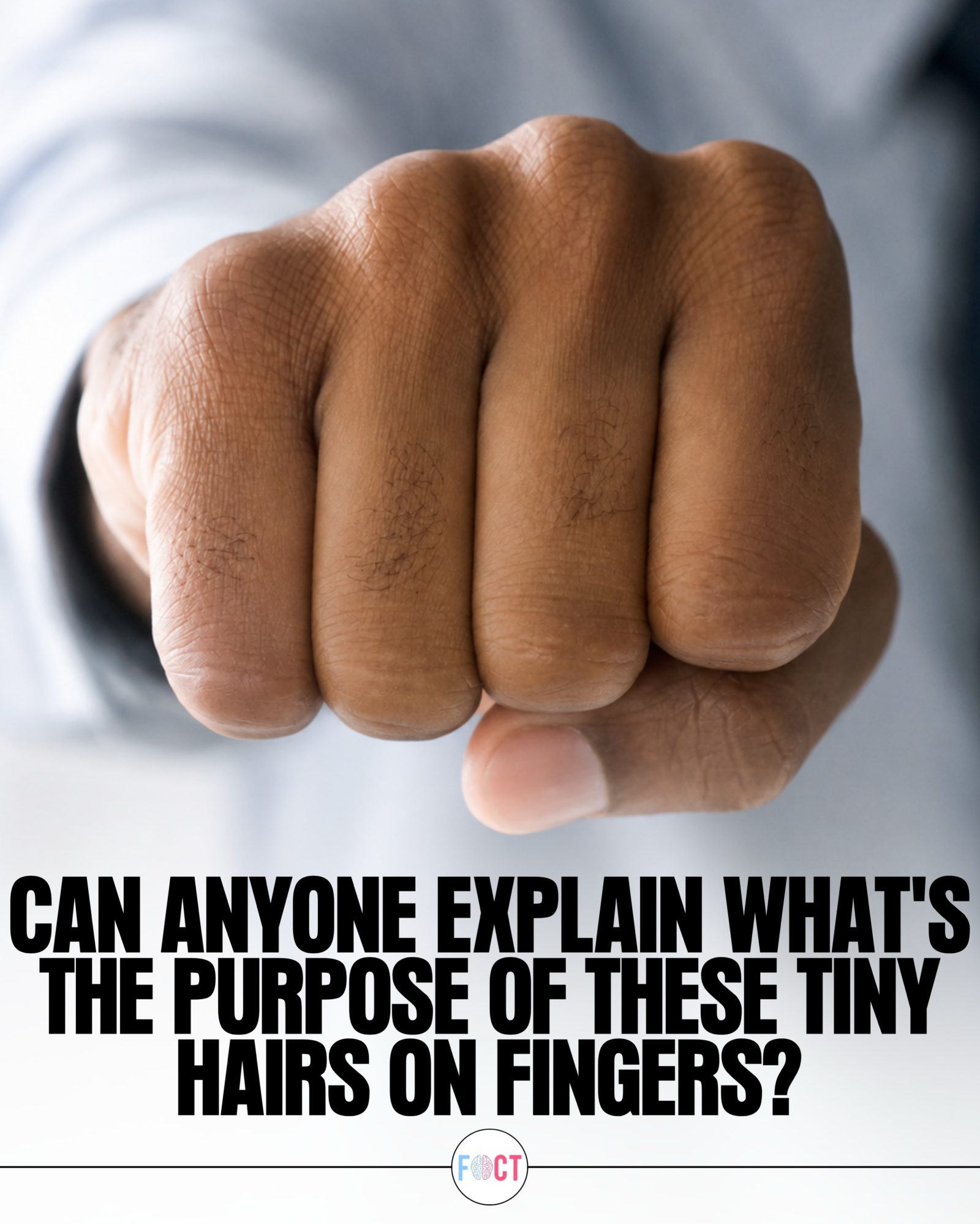
Tiny hairs on fingers
Have you ever paused to inspect the tiny hairs on your fingers? These minuscule hairs are often overlooked, yet they are a fascinating aspect of human anatomy. They are so fine that many people go through life without ever noticing them. But what exactly are they, and what purpose do they serve?
Why this matters
Understanding these tiny hairs can provide insight into the intricate workings of the human body. It highlights the natural variations and the often-overlooked details that make each person unique. Moreover, paying attention to these small features can enhance our appreciation for the complexity of our bodies.
The basics of finger hairs
What are they?
The tiny hairs on fingers are known as vellus hairs. Unlike the terminal hairs found on the scalp, eyebrows, and other parts of the body, vellus hairs are much shorter and thinner. They are often invisible to the naked eye and can only be seen under bright light or with magnification. These hairs are present on most parts of the body, including the face, arms, and legs, but they are particularly noticeable on the fingers when observed closely.
Variations in appearance
One of the most intriguing aspects of these tiny hairs is their variability. For some individuals, they are barely perceptible, while for others, they are surprisingly noticeable. The distribution and visibility of these hairs can vary from person to person, and even from one finger to another on the same hand. This natural variation adds to the uniqueness of each individual's physical characteristics.
Function and purpose
The purpose of these tiny hairs is not entirely clear, but there are several theories. One hypothesis suggests that they play a role in sensory perception. These hairs can enhance the sensitivity of the fingertips, allowing for better tactile feedback. This could be particularly beneficial for tasks that require fine motor skills and precise touch, such as playing a musical instrument or performing delicate tasks.
Another theory proposes that these hairs help in distributing natural oils and moisture across the skin, keeping it supple and healthy. They might also act as a barrier, protecting the skin from environmental elements and minor irritants.
Practical tips for observing finger hairs
Lighting
To better observe these tiny hairs, good lighting is essential. Natural light or a bright lamp can help illuminate the skin, making the hairs more visible. Examining your fingers under a magnifying glass can also provide a closer look.
Magnification
Using a magnifying glass or a handheld microscope can reveal details that are otherwise invisible to the naked eye. This can be especially useful for studying the distribution and structure of the hairs.
Comparison
Comparing the hairs on different fingers and even different parts of the body can highlight the natural variations. This can be a fascinating exercise in understanding the diversity of human anatomy.
Important takeaways
- The tiny hairs on fingers, known as vellus hairs, are a natural and often overlooked feature of the human body.
- These hairs vary in appearance and distribution from person to person, adding to the uniqueness of each individual.
- The exact function of these hairs is not fully understood, but they may play a role in sensory perception and skin health.
- Observing these hairs under good lighting or magnification can reveal fascinating details about the human body.
Conclusion
The tiny hairs on our fingers are a testament to the complexity and beauty of the human body. While they may go unnoticed by most, taking a closer look can reveal a world of natural variation and intricate details. Whether they enhance sensory perception or serve other purposes, these hairs are a reminder of the fascinating mysteries that lie within our anatomy. The next time you use your hands, take a moment to appreciate these microscopic features and the role they play in your daily life.
Questions readers ask
Do all humans have vellus hairs on their fingers?
Yes, vellus hairs are present on most body parts of all humans, including the fingers. However, their visibility can vary greatly from person to person, and some individuals might not notice them due to their fine texture.
What are the different types of body hair, and which type are finger hairs?
Body hair can be categorized into two main types: terminal hair and vellus hair. Terminal hairs are longer, thicker, and often pigmented, like the hair on your head. Vellus hairs, found on the fingers, are shorter, finer, and lighter. They are often so thin that they can be nearly invisible.
What could be the function of vellus hairs on the fingers?
Vellus hairs on the fingers might play a role in sensory perception. They could potentially enhance the skin's ability to detect light touch or changes in the environment, although more research is needed to fully understand their function. Some experts also propose that they might help to regulate body temperature.
Why are some people's finger hairs more visible than others?
The visibility of vellus hairs can vary due to genetic factors, hormones, and ethnic background. Some people might have more visible or darker finger hairs due to these variations. Age and certain medical conditions can also affect the visibility and growth of vellus hairs.
Can vellus hairs on the fingers be removed or reduced?
Vellus hairs are very fine and often barely noticeable, so removal is typically not necessary. However, if you wish to reduce their visibility, it is possible by using methods such as waxing, shaving, or using depilatory creams. Note that these methods might also remove some of the protective skin cells and could cause irritation, so proceed with caution.
Are there any conditions that affect the growth of vellus hairs on the fingers?
Yes, certain medical conditions, such as hypertrichosis, can lead to excessive growth of vellus hairs. Conversely, conditions like alopecia can result in a reduction or loss of vellus hairs. Additionally, hormonal changes, such as those during pregnancy or menopause, can also affect the growth and visibility of vellus hairs.
Recent articles
Fresh deep dives from the latest Reels we unpacked.




Comments
Be the first to comment.