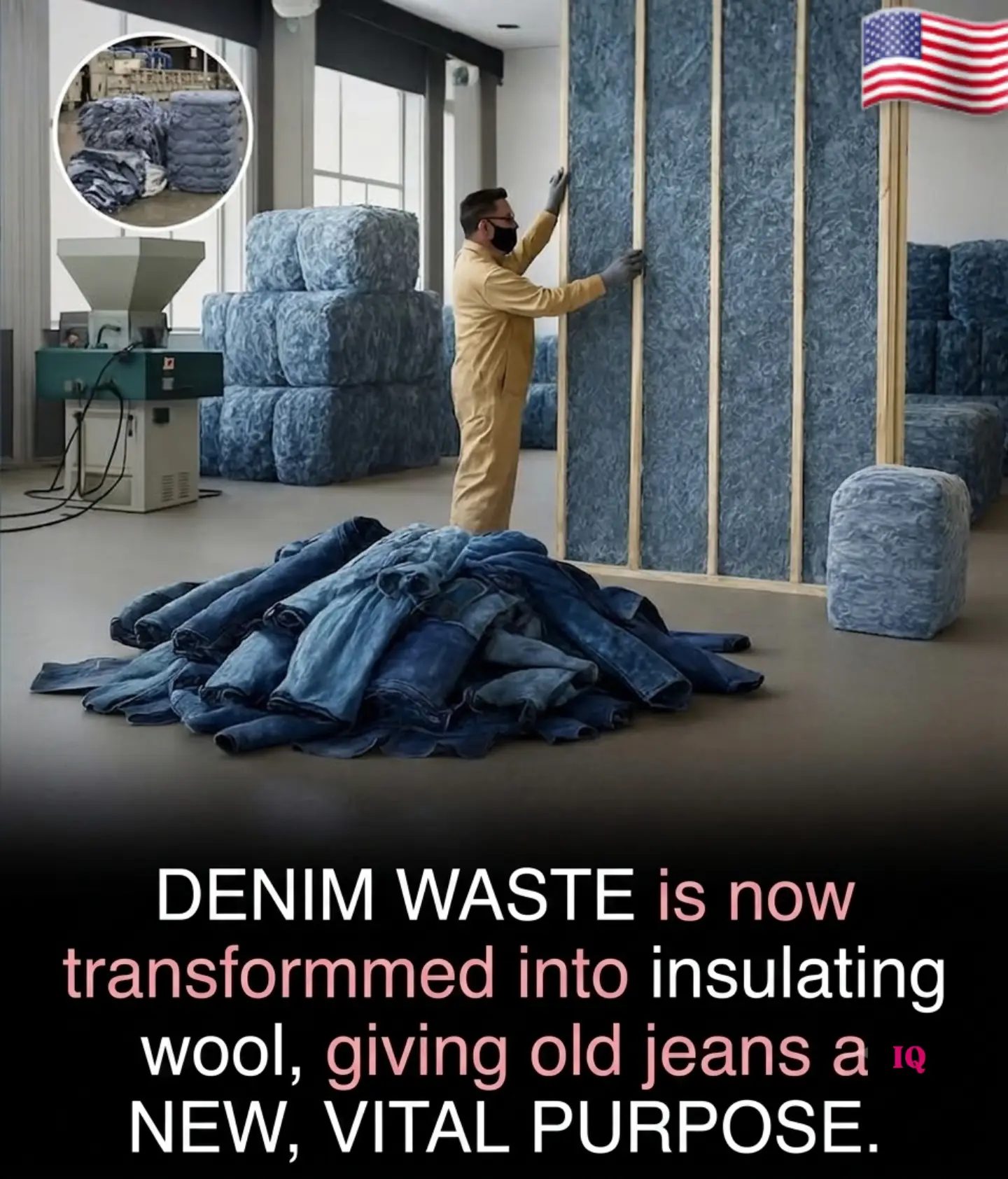
Denim Recycling: The Journey from Old Jeans to Insulating Wool
Denim recycling transforms post-consumer waste into high-performance architectural insulation, marking a significant step forward in sustainable manufacturing and circular economy initiatives. This process, professionally known as recycled cotton or denim insulation, involves turning discarded jeans into a valuable resource: insulating wool.
Denim Recycling: Why This Matters
Clothing waste is a major environmental problem. By transforming denim waste into insulation, we significantly reduce the amount of textile waste sent to landfills. This not only lessens our environmental impact but also creates a more sustainable manufacturing process. Additionally, denim insulation offers superior thermal efficiency and acoustic dampening compared to traditional fiberglass. It also provides a safer, healthier environment by containing no volatile organic compounds (VOCs) or irritating airborne particulates. This makes it a viable and advantageous alternative to traditional insulation materials.
The Process: From Denim Waste to Insulating Wool
Preparation and Collection
The process begins with the collection of post-consumer denim waste. This includes discarded jeans, jackets, and other denim garments. The collected denim is then sorted and prepared for processing. This step is crucial as it ensures that only suitable materials are used in the insulation making process.
Fiberizing and Treatment
The next step involves fiberizing the denim waste. This process breaks down the denim into smaller fibers, creating a fluffy, insulating material. These fibers are then treated with non-toxic borate solutions. This treatment enhances the material's fire retardancy, pest resistance, and antimicrobial protection. It ensures that the final product is not only sustainable but also safe and durable.
Transformation into Insulating Wool
The treated fiber is then transformed into insulating wool. This step involves compressing the fibers into batts or rolls, which can be easily installed in walls, ceilings, and other areas requiring insulation. The resulting material is light, breathable, and highly effective at trapping heat, making it an excellent choice for both residential and commercial buildings.
Benefits Beyond Sustainability
Thermal Efficiency
Denim insulation offers exceptional thermal efficiency. Its unique composition allows it to trap heat effectively, keeping buildings warmer in the winter and cooler in the summer. This thermal efficiency helps reduce energy consumption and lowers heating and cooling costs.
Acoustic Dampening
In addition to its thermal benefits, denim insulation provides superior acoustic dampening. It absorbs sound waves, reducing noise pollution and creating a quieter, more comfortable indoor environment. This makes it an ideal choice for homes, offices, and other buildings where noise reduction is essential.
Health and Safety
Unlike traditional fiberglass insulation, denim insulation contains no volatile organic compounds (VOCs) or irritating airborne particulates. This makes it a significantly safer and healthier option for installers and building occupants. The absence of harmful chemicals also helps improve indoor air quality, contributing to a healthier living and working environment.
Practical Tips for Using Denim Insulation
Installation
Installing denim insulation is similar to installing traditional fiberglass insulation. It can be fitted into walls, ceilings, and attics, providing effective insulation and acoustic dampening. However, it's essential to ensure proper ventilation to prevent the buildup of moisture and mold.
Maintenance
Denim insulation requires minimal maintenance. However, it's important to periodically inspect it for any signs of damage or wear. If necessary, repair or replace damaged sections to maintain optimal insulation performance.
Compatibility
Denim insulation can be used in a variety of building types and structures. It's suitable for both new construction and retrofitting existing buildings. Its versatility makes it a valuable addition to any sustainable building project.
Important Takeaways
Denim recycling is a practical and effective way to reduce textile waste and create a sustainable building material. The transformation of old jeans into insulating wool offers numerous benefits, including thermal efficiency, acoustic dampening, and improved health and safety. By choosing denim insulation, you're not only contributing to a cleaner environment but also investing in a high-performance, durable, and safe building material.
Conclusion
Recycled denim insulation is more than just a sustainable choice—it's a smart investment in the future of building materials. Its superior performance, health benefits, and environmental advantages make it an excellent alternative to traditional insulation. By embracing denim insulation, we can help reduce textile waste, create healthier living and working environments, and contribute to a more sustainable world.
Questions readers ask
How exactly are old jeans turned into insulation?
The process involves shredding and cleaning the denim to remove any contaminants. The fibers are then transformed into a wool-like insulation material. This material can be used as a sustainable building material and can directly replace conventional insulating materials.
What are the benefits of denim insulation over traditional insulation materials?
Denim insulation offers superior thermal performance and acoustic qualities. It is also more eco-friendly, as it reduces textile waste and supports sustainable manufacturing. Additionally, it contributes to a circular economy by repurposing old jeans.
How does denim insulation contribute to reducing textile waste?
By recycling old jeans into insulation, we divert a significant amount of textile waste from landfills. This not only reduces the environmental impact of discarded clothing but also promotes a more sustainable approach to manufacturing and waste management.
Is denim insulation suitable for all types of buildings?
Yes, denim insulation can be used in various building types, including residential, commercial, and industrial structures. Its excellent thermal and acoustic properties make it a versatile choice for insulation needs.
What types of textiles can be recycled in a similar way to denim?
While denim is a popular choice due to its durability and fiber characteristics, other cotton-based textiles can also be recycled into insulation. The key is to find textiles that can be shredded and transformed into a wool-like material effective for insulation.
Recent articles
Fresh deep dives from the latest Reels we unpacked.




Comments
Be the first to comment.