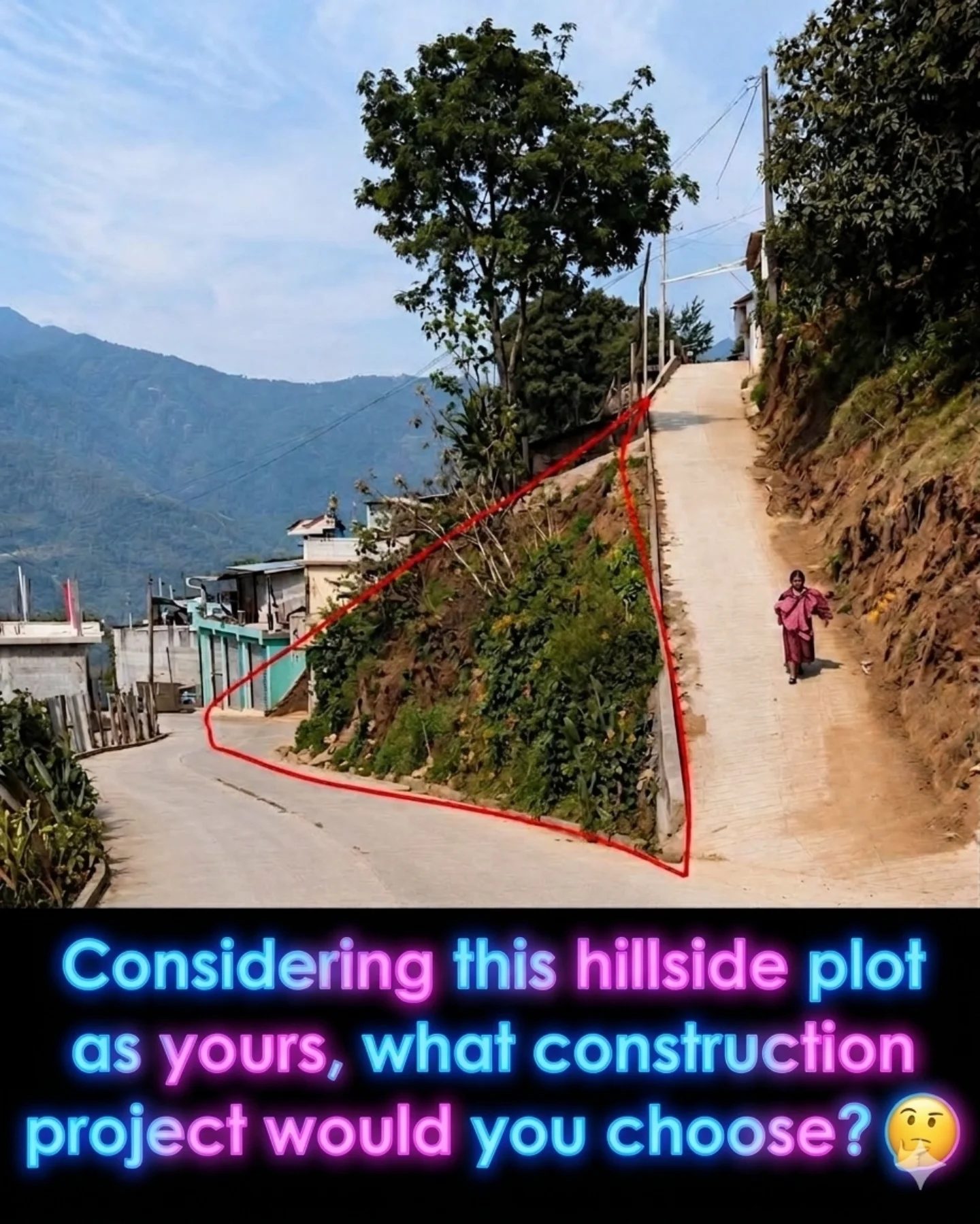
Hillside Construction Projects: Architectural Innovation on Steeply Graded Sites
Many overlook the potential of compact, steeply graded sites, dismissing them as "useless" land. However, these unique topographies offer a rare opportunity for architectural innovation. Through verticality and creative design, these challenging plots can be transformed into high-value landmarks. The most iconic structures often emerge from the constraints of unconventional spaces.
Why This Matters
When considering a hillside plot, the first step is recognizing its inherent advantages. Hillside construction projects offer a unique blend of challenges and opportunities. These steeply graded sites require thoughtful planning but can yield stunning results that maximize both spatial efficiency and aesthetic impact. Additionally, hillside projects often integrate seamlessly with their natural surroundings, creating a harmonious blend of architecture and landscape.
Development Proposals for Hillside Construction
The Cantilevered Studio
A modern, glass-fronted structure that extends over the slope is a cantilevered studio. This design maximizes the footprint without requiring extensive land clearing. By leveraging the slope, the studio can create a dramatic, multi-level interior volume while minimizing environmental disruption. These structures offer unobstructed views and a natural sense of privacy, making them ideal for residential or retreat purposes.
The Terraced Botanical Hub
A terraced botanical hub turns a transit point into a lush, ecological landmark. This multi-level vertical garden uses sustainable irrigation systems to maintain a vibrant green space. The terraces can be designed to accommodate recreational spaces, seating areas, and even greenhouses. These hubs not only enhance the local ecosystem but also provide a serene, natural setting for visitors. They are perfect for public gardens, botanical centers, or even community green spaces.
The Micro-Retail Concept
The micro-retail concept is a high-concept, "hole-in-the-wall" espresso bar or gallery that utilizes the steep incline to create dramatic, multi-story interior volumes. This design concept focuses on creating a unique, intimate experience for visitors. The compact nature of these spaces means that they can be located in high-traffic areas, making them ideal for urban settings. These micro-retail spaces often feature innovative designs that maximize the use of vertical space, creating a unique and memorable experience for visitors.
Key Advantages of Small-Scale Development
Minimizing Environmental Disruption
Small-scale development projects, such as those outlined above, offer several strategic benefits. The first is a minimized footprint, which minimizes environmental disruption and land costs. This is particularly important in areas where land is scarce or environmentally sensitive. By building vertically and leveraging the natural slope of the land, these projects can create high-value spaces without compromising the surrounding environment.
Enhancing Natural Privacy
Elevated positioning is another significant advantage of hillside construction. This positioning provides natural privacy and unobstructed views, creating a sense of seclusion and exclusivity. Whether it's a residential retreat or a boutique café, elevated positioning can enhance the overall experience for visitors and occupants.
Creating a Destination Feel
Custom architecture creates a "destination" feel that standard lots cannot replicate. This unique character can be a significant draw for visitors and occupants, making the site a popular destination. Whether it's a vertical garden, a cantilevered studio, or a micro-retail concept, these projects can create a sense of place that is both memorable and distinctive.
Modern Urban Planning and Hillside Construction Projects
In modern urban planning, infill development is the practice of repurposing underutilized land. These projects don't just fill a gap; they increase property value and demonstrate a commitment to sustainable, thoughtful design. By transforming steeply graded sites into high-value landmarks, infill development can revitalize urban areas and create new opportunities for growth and development.
Practical Tips for Hillside Construction
Conduct a Thorough Site Assessment
The first step in any hillside construction project is to conduct a thorough site assessment. This assessment should include a detailed analysis of the site's topography, soil conditions, and any potential environmental hazards. This information will be critical in determining the most appropriate design and construction methods.
Engage with Local Authorities
Engaging with local authorities is essential for ensuring that the project complies with all relevant regulations and zoning requirements. This engagement should begin early in the planning process to avoid any potential delays or complications.
Incorporate Sustainability Features
Incorporating sustainability features, such as renewable energy systems and water-efficient landscaping, can enhance the project's overall value and appeal. These features can also help to reduce the project's environmental impact, making it more sustainable and eco-friendly.
Design for Flexibility
Designing for flexibility ensures that the project can adapt to changing needs and requirements over time. This adaptability can be crucial for maximizing the project's long-term value and usefulness.
Utilize Local Materials and Craftsmen
Utilizing local materials and craftsmen can help to create a project that is both unique and authentic. These materials and craftsmen can also help to support local businesses and communities, creating a positive economic impact.
Important Takeaways
Hillside Construction Offers Unique Opportunities
Hillside construction projects present unique opportunities for architectural innovation and sustainable development. By leveraging the natural slope of the land, these projects can create high-value, eco-friendly spaces that enhance the surrounding environment.
Small-Scale Development Enhances Property Value
Small-scale development projects, such as those outlined above, enhance property value and contribute to the overall vitality of the community. These projects can create new opportunities for growth and development, making them an essential component of modern urban planning.
Thoughtful Planning and Design Are Crucial
Thoughtful planning and design are crucial for the success of any hillside construction project. By conducting a thorough site assessment, engaging with local authorities, and incorporating sustainability features, these projects can be completed on time, within budget, and to the highest standards of quality and sustainability.
Infill Development Enhances Urban Spaces
Infill development revitalizes urban areas and creates new opportunities for growth and development. By transforming steeply graded sites into high-value landmarks, infill development can enhance the overall quality of urban spaces and contribute to their long-term sustainability.
Conclusion
Hillside construction projects offer a unique opportunity for architectural innovation and sustainable development. By leveraging the natural slope of the land and incorporating thoughtful design, these projects can create high-value, eco-friendly spaces that enhance the surrounding environment. From cantilevered studios to terraced botanical hubs, the possibilities for hillside construction projects are endless. With careful planning and design, these projects can transform underutilized land into iconic landmarks that contribute to the overall vibrancy and sustainability of their communities.
Related deep dives
Similar reads based on topic and creator.


Recent articles
Fresh deep dives from the latest Reels we unpacked.




Comments
Be the first to comment.