Watermelon Carving
Watermelon carving transforms a simple fruit into a stunning centerpiece. This technique not only reduces food waste but also creates visually appealing edible art. The process involves several precise steps, from selecting the right watermelon to carving intricate designs.
Why Watermelon Carving Matters
Watermelon carving is more than just a fun activity; it's a way to elevate ordinary fruits into extraordinary culinary delights. By carving a watermelon, you can create beautiful arrangements that are perfect for parties, bars, or as a show-stopping dessert. The art form combines creativity and culinary skills, making it a unique and rewarding endeavor.
Unlike many fruits, watermelons have a large surface area, which makes them ideal for carving. The contrast between the vibrant red flesh and the green or white rind makes your designs pop. Plus, the watermelon's sturdy rind helps maintain the shape of the carving, making it an excellent choice for creating intricate patterns.
The Watermelon Carving Process
Choosing the Right Watermelon
Selecting a ripe, firm watermelon is crucial for successful carving. Avoid watermelons that are too soft or have bruises, as they are more prone to splitting and don't hold carvings well.
Preparing the Watermelon
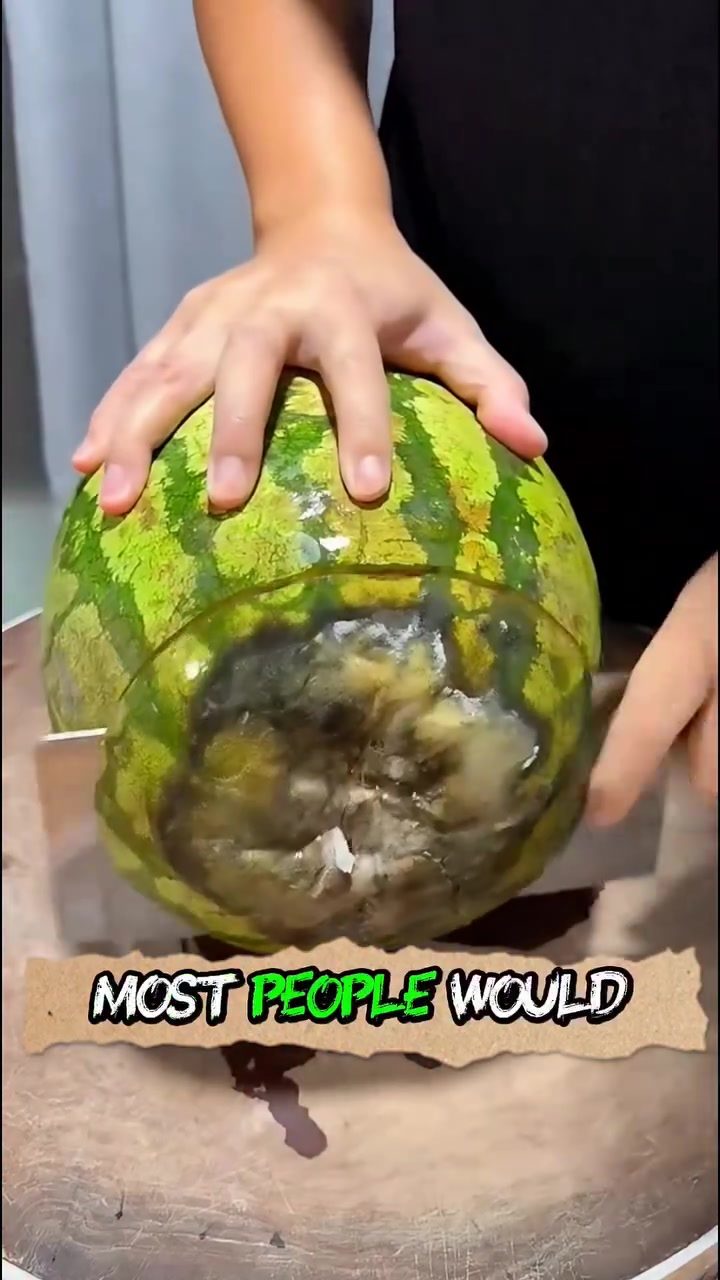
Removing the Spoiled Sections
To begin, cut away any spoiled or damaged sections of the watermelon. This step ensures that you're working with fresh, healthy fruit. Start by cutting the ends of the watermelon to create a stable base, then make vertical cuts to remove the outer sections.
Shaping the Watermelon
Once you have a clean, fresh watermelon, use a sharp knife to shape it. For instance, you can carve the sides and deepen the edges to create smooth, clean lines. This is especially useful if you're aiming for a specific design, such as a handbag or a basket.
Carving the Watermelon
Creating Perfect Watermelon Balls
Scooping the fruit into perfect round balls is the next step. You can use a melon baller or a small spoon for this. Make sure to remove any rough or damaged pieces, leaving only the best parts behind. These balls will be used to fill your carved watermelon design and add a layer of elegance.
Carving Decorative Patterns
The real magic happens when you start carving decorative patterns around the edges. This can involve creating intricate designs, such as bows or flowers, using the rind. The key here is to use skilled hands and a sharp knife. The more detailed your carving, the more impressive the final result will be.
Assembling the Watermelon Carving
Once you have your carved watermelon and the perfect balls, it's time to assemble your creation. Place the watermelon balls inside the carved watermelon and arrange them in a visually appealing way. You can also attach small embellishments, such as a bow made from the peel, to enhance the overall look. Make sure your final arrangement is stable and secure to avoid any accidents when serving.
Practical Tips for Watermelon Carving
Essential Tools
To get started with watermelon carving, you'll need a few essential tools:
- A sharp knife: This is crucial for precise cutting and carving.
- A melon baller or small spoon: For creating perfect round watermelon balls.
- A cutting board: To provide a stable surface for carving.
- AMarker: To design or sketch your carving pattern before cutting.
Techniques for Making Clean Cuts
When carving a watermelon, it's important to make clean, precise cuts. Here are some tips to help you achieve this:
- Always cut away from your body to avoid accidents.
- Use a sharp knife to make smooth, clean cuts. A dull knife can cause uneven edges and make the process more difficult.
- Apply gentle pressure when carving. Too much force can cause the watermelon to split or crack.
- Take your time. Rushing through the process can result in uneven or sloppy cuts. Careful, deliberate cuts will give you the best results.
Important Takeaways
Watermelon carving is a versatile and rewarding skill
This technique allows you to turn an ordinary watermelon into a stunning centerpiece. Whether you're a beginner or an experienced carver, there's always room to improve and experiment with different designs.
The key to successful watermelon carving is precision and patience
Clean, precise cuts are essential for creating a beautiful carving. Take your time and work carefully to achieve the best results.
Watermelon carving is an excellent way to reduce food waste
Instead of throwing away damaged watermelons, you can turn them into art. This not only reduces waste but also creates a unique and visually appealing dish.
Conclusion
Watermelon carving is a fun and creative way to elevate ordinary watermelons into extraordinary culinary delights. Whether you're a beginner or an experienced carver, the process involves selecting the right watermelon, preparing it carefully, and carving intricate designs. With practice and patience, you can turn a simple watermelon into a stunning centerpiece that will impress your guests and reduce food waste. So, grab your tools and start carving—your friends and family will be amazed by your creations.
Questions readers ask
Is it possible to carve damaged watermelons into creative designs?
Yes, damaged watermelons can be transformed into creative designs. By strategically carving around the damaged areas, you can create unique and visually appealing centerpieces. You can save the undamaged parts of the watermelon for artistic use.
What are some easy watermelon carving techniques for beginners?
For beginners, it's best to start with simple designs such as basic shapes or patterns. To carve watermelon into balls, use a melon baller and gently scoop out the fruit. Always keep your knife sharp and ensure the watermelon is securely positioned to prevent slipping.
How can I use watermelon carving to reduce food waste?
Watermelon carving helps reduce food waste by making use of damaged or less appealing fruit. By transforming the unwanted watermelon into a centerpiece or decorative dish, you minimize food waste and create a visually appealing masterpiece.
What kinds of designs can I create with watermelon carving?
Watermelon carving offers endless possibilities. You can create intricate patterns, fruit sculptures, or even themed designs for special occasions. Simple patterns and shapes are easier for beginners, while more complex designs like flowers, animals, or geometric patterns can be attempted by those with more experience.
Can watermelon carving be used for summer dining experiences?
Absolutely! Watermelon carving is a fantastic way to elevate summer dining experiences. By transforming a simple watermelon into a stunning centerpiece or showstopping dessert, you can impress your guests and make your table more appealing.
What tools are essential for watermelon carving?
The essential tools needed for watermelon carving include a sharp paring knife, a melon baller, and a carving knife. A cutting board can also be very helpful to secure the watermelon while carving. Additionally, a vegetable peeler can be used to smooth out surfaces and create even designs.
Recent articles
Fresh deep dives from the latest Reels we unpacked.




Comments
Be the first to comment.