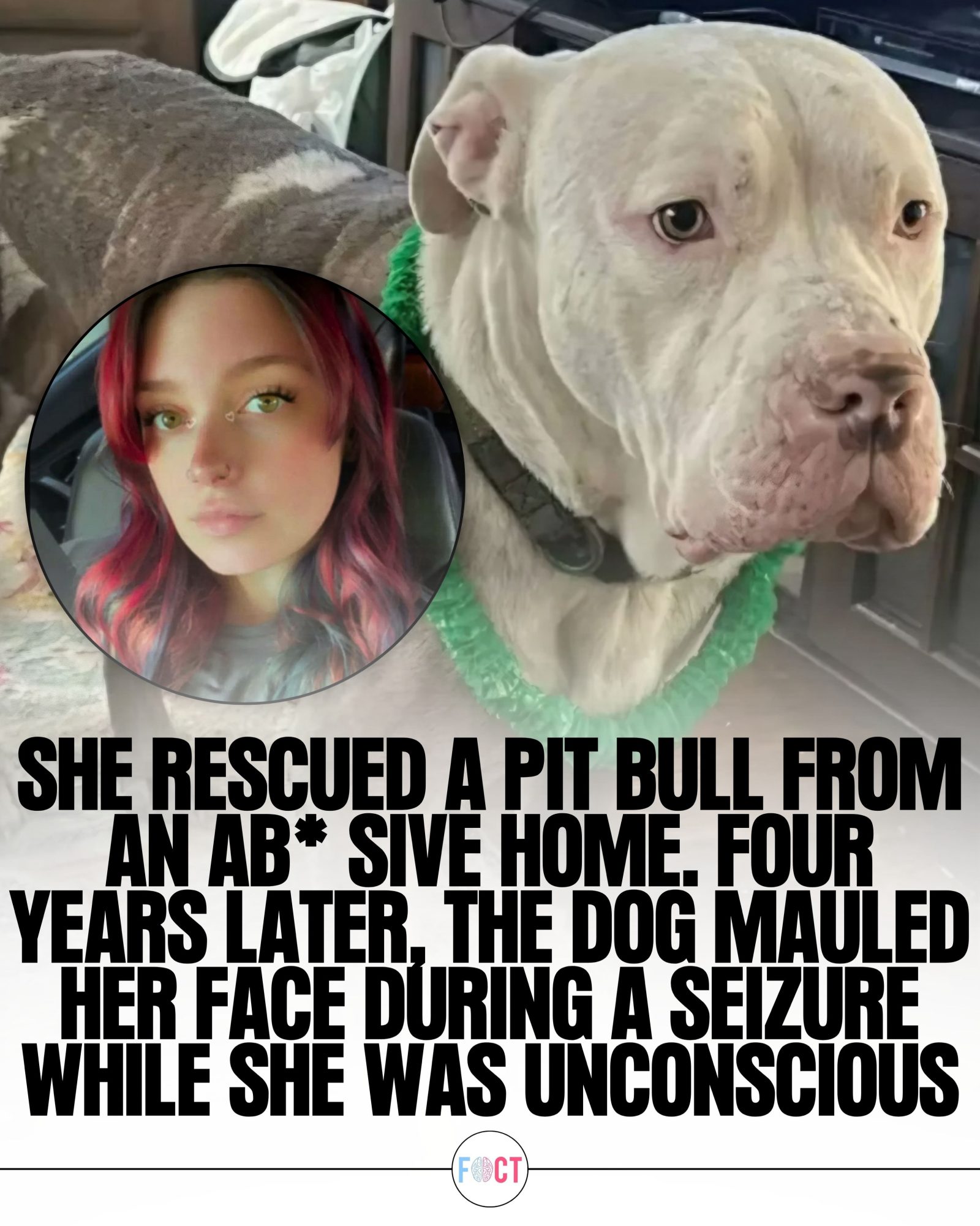
A Tragic Incident Involving a Rescue Pit Bull
A distressing medical emergency in Illinois has ignited intense online discussions after 25-year-old Karma Davis sustained severe injuries during a seizure-related incident with her rescue pit bull, Fayzo. This case highlights the complex relationship between humans and rescue animals, and the potential risks that can arise despite a pet's loving and loyal demeanor.
Context / Why this matters
Rescue animals are often adopted by families looking to provide a loving home to a pet in need. However, this case underscores the importance of understanding the unique challenges and potential risks associated with rescuing and rehabilitating animals that may have experienced past trauma. The unpredictable nature of such animals can have devastating consequences, as illustrated in this tragic incident.
The Incident
The Rescue and the Unforeseen Attack
Karma Davis, a compassionate individual, rescued a pit bull named Fayzo from an abusive situation. For four years, Fayzo lived with Davis and was described as a loving and loyal companion. Unfortunately, this idyllic scenario was shattered when Davis suffered an epileptic seizure inside her home. During this seizure, she lost consciousness, and Fayzo, in a sudden and unexpected turn of events, attacked her.
Fayzo maulled Davis' face, causing severe and life-changing injuries, including damage to her lips, cheek, nose, and ear. The attack was particularly shocking because Fayzo had never exhibited any signs of aggression prior to the incident. Davis later underwent multiple surgeries to address the extensive damage to her face.
Understanding the Factors
Several factors contributed to the severity of the incident. Firstly, the fact that Davis was unconscious and unable to defend herself or control the situation played a significant role. Secondly, the past experiences of abused animals, like Fayzo, can often lead to hidden traumas and unpredictable behaviors. These traumas might not manifest during regular interactions but can surface during moments of high stress, fear, or confusion.
The Impact on Davis and Society
The attack has had a profound impact on Karma Davis, both physically and emotionally. She has been documenting her recovery journey online, undergoing multiple reconstructive surgeries to address the damage to her face. The incident has also sparked a broader conversation about the complexities of rescuing and rehabilitating abused animals. Many advocates and pet owners are now re-evaluating the potential risks and challenges associated with such endeavors.
The Online Discussion
The case has exploded across social media, with heated debates surrounding various aspects of rescue animals. Key points of discussion include:
- Hidden Trauma in Abused Pets: Understanding the long-term impact of abuse on animals and how it can manifest in unpredictable behaviors.
- Unpredictable Risks: The potential dangers that can arise, even with animals that owners deeply trust and love.
- Safety Measures: The importance of taking precautions and being prepared for unexpected behaviors, especially when dealing with animals with a history of trauma.
Practical Tips
For Potential Pet Owners
If you're considering adopting a rescue animal, it's crucial to be well-prepared. Here are some practical tips to keep in mind:
- Research the Breed and Their Behavior: Understand the general temperament and behavior of the breed you are considering.
- Seek Professional Help: Consult with veterinarians and animal behaviorists who can provide guidance and support.
- Create a Safe Environment: Ensure your home is a safe and calming space for your new pet. This includes minimizing stress and providing a stable routine.
- Monitor Behavior: Be aware of any changes in your pet's behavior and address them promptly. Regular check-ins with a professional can help manage any underlying issues.
For Current Pet Owners
If you already have a rescue pet, especially one with a history of abuse, here are some precautions to take:
- Train and Socialize: Continuously work on training and socialization to help your pet develop positive behaviors and coping mechanisms.
- Health Check-Ups: Regular veterinary check-ups are essential. They can help identify any underlying medical conditions that might affect your pet's behavior.
- Be Patient and Understanding: Remember that rehabilitation takes time. Be patient and understanding, and always prioritize your pet's well-being.
Safety Measures
- Emergency Plans: Have an emergency plan in place, especially if you have medical conditions that might impair your ability to control or defend yourself.
- Safety Devices: Consider using safety devices like muzzles or barriers during high-risk situations, such as when you are ill or during medical emergencies.
- Support Systems: Build a support system of friends, family, or professionals who can assist in case of emergencies.
Important Takeaways
- Hidden Trauma: Rescue animals, especially those from abusive backgrounds, might exhibit hidden traumas that can surface in unpredictable ways.
- Unpredictable Risks: Even with animals that have shown no signs of aggression, unpredictable risks can exist, especially during moments of high stress or confusion.
- Preparedness: Being prepared and taking necessary precautions can significantly reduce the risks associated with rescuing and rehabilitating animals.
- Support Networks: Building a strong support network of professionals and loved ones can provide the necessary assistance during emergencies.
Conclusion
The tragic incident involving Karma Davis and her rescue pit bull, Fayzo, serves as a poignant reminder of the complexities and challenges associated with rescuing and rehabilitating abused animals. While the love and loyalty of rescue animals can be immensely rewarding, it's essential to be aware of the potential risks and take necessary precautions. By understanding the hidden traumas and unpredictable behaviors, we can better prepare ourselves and create a safe and loving environment for both humans and animals.
Questions readers ask
What should I consider before adopting a rescue dog with a history of trauma?
Before adopting a rescue dog with a past history of trauma, consider the dog's specific needs, behaviors, and triggers. Consult with the rescue organization or a professional dog trainer. It is also helpful to understand the dog's background and any known incidents of aggression. Ensure you can provide the necessary resources, time, and understanding to support the dog's rehabilitation.
What are the potential risks of owning a rescue dog?
Rescue dogs, especially those with a history of trauma, can present unique challenges. These may include behavioral issues, aggression, and unpredictability. Owners must be prepared to handle these risks, often requiring additional training and patience to foster a safe and loving environment.
Can rescue dogs with a history of aggression be rehabilitated?
Rehabilitation is possible for many rescue dogs with a history of aggression, but it requires a significant commitment. Professional training, consistency, and patience are key. It is also important to manage expectations, as complete elimination of aggressive behaviors may not be achievable in all cases.
Should I be concerned about my safety when adopting a rescue dog?
Safety should always be a priority. Thoroughly research the dog's history and behaviors before adoption. Following best practices for safety, such as proper handling and training, can help mitigate risks. It is also crucial to be aware of any potential triggers that could provoke aggressive behavior.
What should I do if my rescue dog exhibits aggressive behavior?
If your rescue dog exhibits aggressive behavior, remain calm and avoid situations that trigger these reactions. Consult with a professional dog trainer or behaviorist. They can provide guidance and strategies to address and manage aggressive behaviors effectively.
How can I prepare my home for a rescue dog?
Preparing your home for a rescue dog involves creating a safe and comfortable environment. Remove or secure any potential hazards. Establish clear boundaries and routines. Provide the dog with a designated space, such as a crate or bed, where they can feel secure.
What resources are available for owners of rescue dogs with behavioral issues?
There are numerous resources available, including professional dog trainers, behaviorists, and support groups for owners of rescue dogs. Many rescue organizations also offer post-adoption support and guidance. Books and online communities can provide additional insights and advice.
Related deep dives
Similar reads based on topic and creator.
Recent articles
Fresh deep dives from the latest Reels we unpacked.




Comments
Be the first to comment.