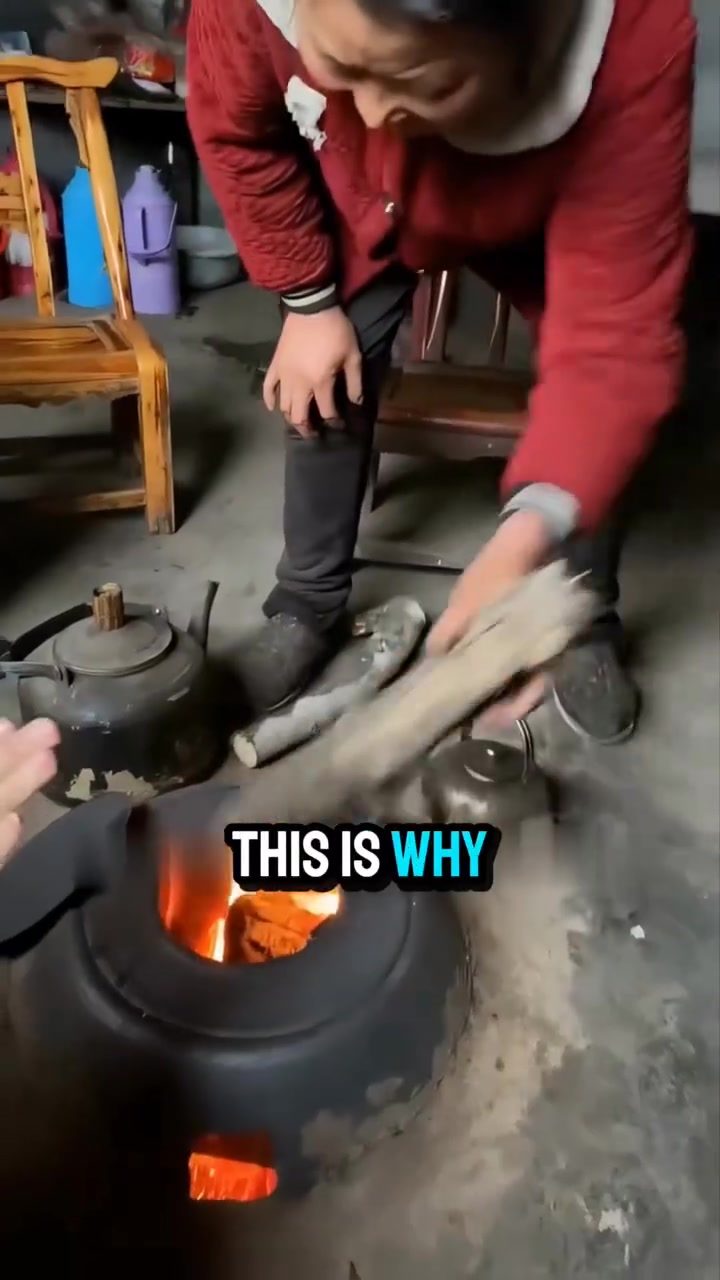
The oldest heating methods are often the warmest, and the underground fire pit is a prime example. This heating system has been used for centuries, yet its effectiveness still outpaces many modern heating methods.
Why This Matters
Understanding traditional heating methods provides valuable insights into sustainable and efficient home heating. These methods often rely on natural materials and designs that maximize heat storage and release. In today's world, where energy efficiency and sustainability are paramount, revisiting these old techniques can offer modern solutions.
Fire Pit Basics
Design and Construction
At first glance, an underground fire pit might seem like a simple hole in the ground. However, the design is far more complex. Builders dig a fire pit and connect it to a hidden flue that carries smoke outside. The stove is then constructed using bricks, mortar, and a cement seal. This seal is crucial as it helps to keep the heat inside, allowing the surrounding bricks and earth to absorb it.
Heat Storage
The secret to the underground fire pit's effectiveness lies in its heat storage capabilities. When the fire is lit, the surrounding bricks and earth act as a heat reservoir, absorbing and storing the heat. This ensures that warmth is retained for hours, keeping the entire house cozy. Essentially, it functions like a giant heater buried beneath the floor.
Versatility
Beyond heating, the underground fire pit can also be used for cooking and boiling water. This versatility makes it a practical choice for households, as it maximizes the use of firewood. Every piece of firewood can be used for multiple purposes, making it a cost-effective and efficient heating solution.
The Modern Heating Dilemma
While modern heaters offer convenience and ease of use, they often fall short in terms of efficiency and sustainability. Traditional underground fire pits, on the other hand, provide a longer-lasting, more efficient heating solution. The key is in the slow release of heat, which keeps the home warm for extended periods without the need for constant refueling.
Practical Tips for Building an Underground Fire Pit
Choosing the Right Location
Selecting the right location for your underground fire pit is crucial. It should be placed in a well-ventilated area to ensure proper airflow and smoke ventilation. Ideally, it should be located near the center of the house to maximize heat distribution.
Gathering Materials
The materials needed for constructing an underground fire pit are readily available and generally affordable. You will need bricks, mortar, cement, and a flue to carry the smoke outside. The choice of materials can vary based on availability and personal preference, but the key is to ensure a tight seal to retain heat effectively.
Construction Steps
- Digging the Fire Pit: Start by digging a hole that is deep enough to accommodate the fire and the flue. The size and depth of the pit will depend on your specific needs and the amount of heat you want to generate.
- Building the Flue: Connect a hidden flue to the pit to carry smoke outside. Ensure the flue is properly secured and sealed to prevent smoke from entering the living space.
- Constructing the Stove: Use bricks and mortar to build the walls of the stove. Apply a cement seal to keep the heat in. The seal is crucial as it helps retain the heat generated by the fire.
- Testing the System: Once the fire pit is constructed, light a small fire to test the system. Monitor the heat distribution and make any necessary adjustments to ensure optimal performance.
Important Takeaways
- Efficiency: The underground fire pit is incredibly efficient at retaining and releasing heat, making it a cost-effective heating solution.
- Versatility: Beyond heating, the fire pit can be used for cooking and boiling water, maximizing the use of firewood.
- Sustainability: Using natural materials and relying on the earth's heat storage capabilities, this heating method is environmentally friendly.
- Construction: While the construction process requires some effort, the materials are readily available and relatively affordable.
Conclusion
The underground fire pit is a testament to the ingenuity of traditional heating methods. Its effectiveness in retaining and releasing heat, along with its versatility and sustainability, makes it a valuable option for modern homes. By understanding and implementing this ancient heating technique, homeowners can enjoy a cozy, efficient, and environmentally friendly heating solution.
Recent articles
Fresh deep dives from the latest Reels we unpacked.




Comments
Be the first to comment.