Indigenous Recipe Fights Cancer
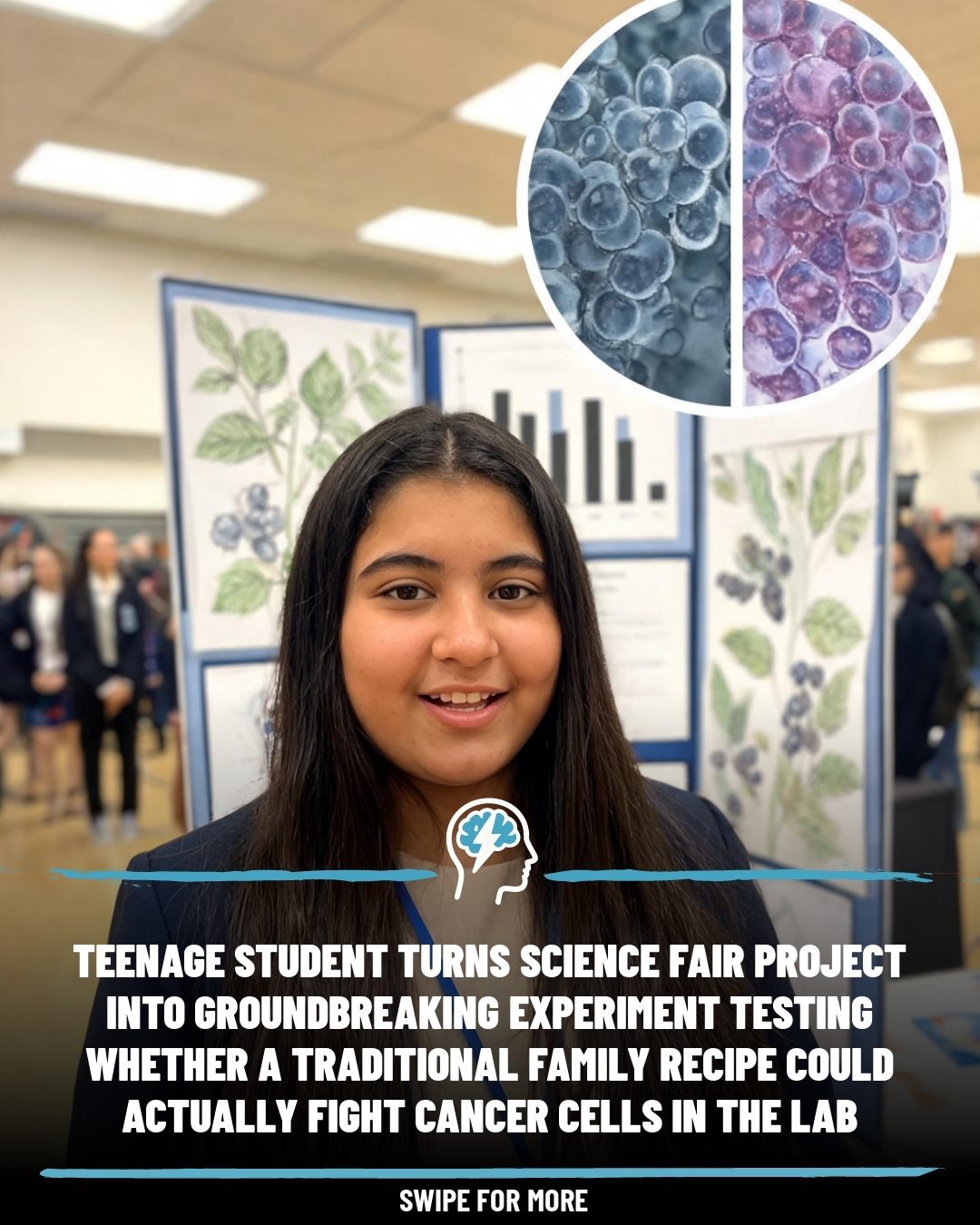
The traditional chokecherry pudding recipe from the Duck Valley Indian Reservation has garnered significant attention for its potential anticancer properties. A high school student's science fair project revealed that the authentic version of the pudding, prepared with the whole chokecherry fruit including the seeds, has a profound impact on uterine sarcoma cells.
Why This Matters
The discovery of chokecherry pudding's cancer-fighting potential underscores the importance of preserving and studying traditional Indigenous knowledge. The project not only highlights the medicinal benefits of traditional recipes but also emphasizes the significance of cultural heritage in modern medical research. It offers a new perspective on how traditional practices can inform and enhance contemporary scientific methods.
The Science Behind the Recipe
The Role of Chokecherry Seeds
The key to the chokecherry pudding's effectiveness lies in the inclusion of the entire chokecherry fruit, seeds and all. Modern recipes often strip the seeds or use only the juice, but the traditional method involves crushing the whole fruit into a fine paste. This process releases compounds found in the seeds that react with specific enzymes in cancer cells, inhibiting their growth.
Lab Results
In lab experiments, the traditional chokecherry pudding mixture inhibited the growth of uterine sarcoma cells. Remarkably, the cancerous cells stopped dividing within 24 hours. In contrast, the modern version of the pudding, which excludes the crushed seeds, had no significant effect on the cancer cells. This suggests that the medicinal strength of the recipe is closely tied to the traditional preparation methods.
The Science Fair Project
Collaboration and Recognition
Destiny Sky Pete, a member of the Shoshone-Paiute Tribes, collaborated with researchers at Boise State University for her science fair project. The project received the First Grand Prize among 440 competing entries, demonstrating its scientific rigor and potential impact. The research was conducted by researchers from Boise State University who tested the traditional chokecherry pudding in a lab.
Methodology and Findings
The project aimed to compare the traditional and modern versions of the chokecherry pudding to understand if the traditional recipe held benefits that the modern version had lost. Through meticulous lab work, the researchers found that the traditional preparation method effectively released compounds that inhibited the growth of cancer cells. This finding aligns with the notion that traditional knowledge often holds valuable insights that can inform modern research.
Practical Tips
For Researchers
- Explore Traditional Recipes: Traditional recipes often contain ingredients and methods that modern science can benefit from. Exploring these practices can yield new insights and treatments.
- Collaborate with Indigenous Communities: Engaging with Indigenous communities can provide access to centuries of knowledge and practices that have been passed down through generations. This collaboration can enrich modern medical research.
For Food Enthusiasts
- Experiment with Traditional Recipes: Try making traditional recipes that have been passed down through generations. You may discover unique flavors and health benefits that modern recipes have lost.
- Preserve Culinary Heritage: Document and share traditional recipes to preserve culinary heritage. This practice not only keeps the culture alive but also contributes to ongoing scientific research.
Important Takeaways
Cultural Heritage and Modern Research
This project demonstrates the value of Indigenous knowledge in modern scientific research. Traditional practices and recipes can provide new insights and directions for medical research, offering potential solutions to complex health problems.
Potential for Future Research
The findings from this project suggest that there are numerous traditional foods and recipes that could hold bioactive properties beneficial for health. Researchers should continue to explore these traditional practices to unlock their full potential.
Encouraging Young Researchers
The success of Destiny Sky Pete's project highlights the importance of encouraging young researchers. Projects like this can inspire the next generation to think beyond conventional methods and explore the wealth of knowledge present in traditional practices.
Conclusion
The discovery of the chokecherry pudding's potential anticancer properties serves as a reminder of the hidden treasures within traditional knowledge. By bridging cultural heritage with modern research, we can uncover new solutions to complex health problems. The chokecherry pudding story is a testament to the power of traditional recipes and the importance of preserving and studying them.
Questions readers ask
What makes the traditional chokecherry pudding recipe from the Duck Valley Indian Reservation unique in terms of cancer research?
The traditional recipe's uniqueness lies in its whole-fruit preparation, which includes the seeds. This method has shown promise in inhibiting cancer cells, particularly uterine sarcoma cells, in lab tests. The seeds are thought to be a key factor in its anticancer properties.
How did the cancer-fighting properties of chokecherry pudding come to light?
A high school student's science fair project brought the ant-cancer properties of chokecherry pudding to the attention of the scientific community. The student's work showcased the pudding's impact on uterine sarcoma cells, sparking interest in further research.
What role does Indigenous knowledge play in the discovery of chokecherry pudding's health benefits?
Indigenous knowledge plays a crucial role in the discovery. The traditional preparation method, passed down through generations, has proven to be a valuable source of potential cancer-fighting properties. This emphasizes the importance of preserving and studying traditional practices and recipes.
Are there other known health benefits of chokecherries besides their potential cancer-fighting properties?
Yes, chokecherries have been associated with various health benefits, including being rich in antioxidants, which can help combat inflammation and reduce the risk of chronic diseases. However, the cancer-fighting properties of the whole chokecherry, including the seeds, are a new revelation.
How can I make chokecherry pudding using the traditional method from the Duck Valley Indian Reservation?
To make the traditional chokecherry pudding from the Duck Valley Indian Reservation, you will need to use the whole chokecherry fruit, including the seeds. The exact recipe may vary, but it typically involves cooking the fruit with a sweetener, such as sugar, until it forms a pudding-like consistency. Ensure you get the recipe from reliable sources who can accurately interpret traditional methods.
What types of cancer has the chokecherry pudding shown potential against?
The chokecherry pudding has shown potential in inhibiting uterine sarcoma cells in lab tests. While these results are promising, it's important to note that more research is needed to fully understand the pudding's potential against other types of cancer.
Recent articles
Fresh deep dives from the latest Reels we unpacked.




Comments
Be the first to comment.