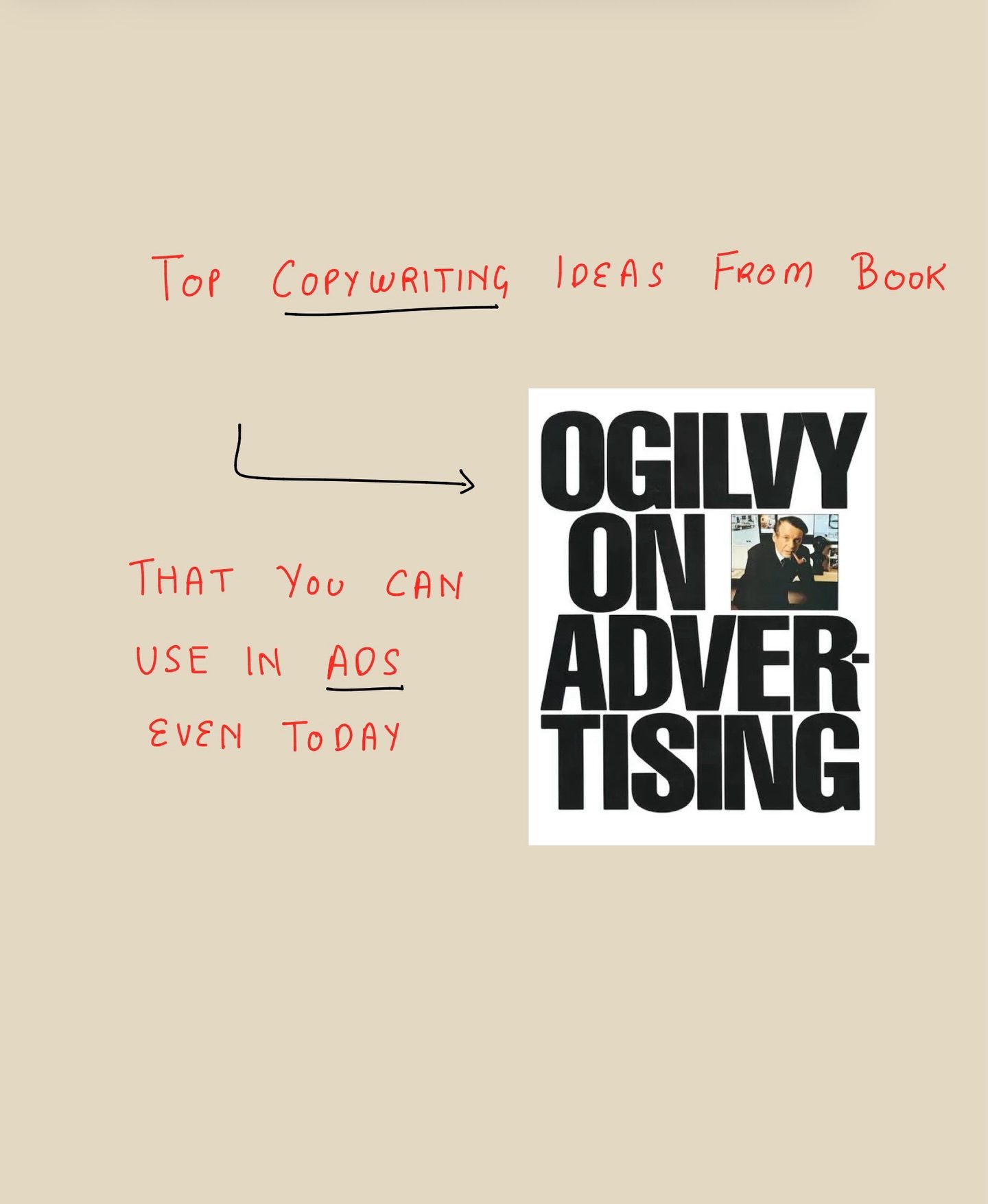
Copywriting Ideas from Ogilvy: Timeless Principles for Modern Advertising
When it comes to generating new copywriting ideas, there's no substitute for diving into classic resources. David Ogilvy, known as the "Father of Advertising," has left a wealth of knowledge in his book "Ogilvy on Advertising" that remains relevant today. The principles he outlined can be applied to modern advertising techniques. Here's how to draw inspiration from Ogilvy's ideas and apply them to your contemporary marketing efforts.
Context / Why this matters
In today's fast-paced digital world, the principles laid down by David Ogilvy still hold immense value. His ‘Ogilvy on Advertising’ is a treasure trove of wisdom that can help craft compelling copy. Understanding and applying these principles can significantly enhance the effectiveness of contemporary advertising campaigns. By incorporating these timeless ideas, marketers can create more engaging and impactful content that resonates with audiences.
Main discussion
Classic Copywriting Techniques
David Ogilvy's copywriting techniques are rooted in a deep understanding of human psychology and consumer behavior. One of his key principles is the importance of a strong headline. A good headline should be attention-grabbing, but it must also deliver a clear promise to the reader. Ogilvy emphasizes that the headline is the most crucial part of an advertisement, as it is often the first thing readers see. Crafting a compelling headline can significantly increase the chances of capturing the reader's interest.
Another key principle is the simplicity of language. Ogilvy believed in using simple, straightforward language that anyone could understand. This approach makes the message more accessible and relatable. Simplicity is not about dumbing down the content but about making it clear and concise. This principle is especially relevant in today's world where attention spans are short, and there is a constant influx of information.
Ogilvy also stressed the importance of telling a story. Whether through case studies, anecdotes, or fictional narratives, storytelling can make an advertisement more memorable and engaging. A well-told story can evoke emotions, create a connection with the audience, and make the message more persuasive. This technique is particularly effective in digital marketing, where storytelling can be enhanced through multimedia elements such as videos, images, and interactive content.
Long Copy Paradox
One of the more counterintuitive principles from Ogilvy's teachings is the long copy paradox. Ogilvy argued that there is no such thing as "too long" copy; there is only boring copy. This principle challenges the common belief that shorter is always better. Longer copy can be highly effective if it is engaging and provides value to the reader. The key is to keep the content interesting and relevant throughout.
For high-ticket items or complex solutions, long copy can be particularly beneficial. When solving a high-ticket problem, potential customers often need more information to make an informed decision. Using both LinkedIn and email marketing strategies can help deliver detailed content that addresses the customer's pain points and showcases the benefits of the product or service.
Practical tips
-
Craft Compelling Headlines: Always start with a strong, attention-grabbing headline that delivers a clear promise. This can significantly increase the chances of capturing the reader's interest.
-
Use Simple Language: Avoid jargon and complex language. Simplifying your message makes it more accessible and easier to understand, which is essential in today's fast-paced world.
-
Tell a Story: Incorporate storytelling techniques to make your content more engaging and memorable. This can be done through case studies, anecdotes, or fictional narratives that resonate with the audience.
-
Embrace Long Copy: When necessary, don't shy away from using long copy. The key is to keep the content interesting and relevant, especially for high-ticket items or complex solutions.
-
Leverage LinkedIn and Email: For detailed information, use LinkedIn and email marketing to reach your audience. This approach can help deliver comprehensive content that addresses customer needs effectively.
-
Capture Attention Quickly: Editorial style ads are particularly effective. These ads often feature high-quality visuals and a compelling narrative that captures attention within the first three seconds. Utilizing native ads and user-generated content (UGC) can further enhance the impact of these ads.
Important takeaways
-
Timeless Principles: Ogilvy's principles are timeless and can be applied to modern advertising. Emphasizing a strong headline, using simple language, and telling a story can make your content more engaging.
-
Effective Long Copy: Don't shy away from long copy; it can be highly effective if well-crafted and relevant. Use it particularly for high-ticket items or complex solutions.
-
Multichannel Approach: Leverage multiple channels, such as LinkedIn and email marketing, to deliver detailed, engaging content to your audience.
-
Editorial Style Ads: These ads are effective in capturing attention quickly. Use high-quality visuals and compelling narratives, along with native ads and UGC, to enhance their impact.
Conclusion
Drawing inspiration from David Ogilvy's principles can significantly enhance modern advertising efforts. By combining timeless techniques with contemporary strategies, marketers can create compelling and effective campaigns. Whether through strong headlines, simple language, storytelling, or well-crafted long copy, Ogilvy's principles provide a solid foundation for compelling copywriting.
Questions readers ask
Who was David Ogilvy and why is he important in the field of advertising?
David Ogilvy, often referred to as the 'Father of Advertising,' was a legendary figure in the advertising industry. He is known for his timeless principles and techniques that continue to influence modern advertising practices, making his insights invaluable for contemporary marketers.
What are some key principles from Ogilvy's book that can be applied to modern advertising?
Ogilvy's book emphasizes the importance of crafting attention-grabbing headlines, using straightforward and clear language, and understanding the target audience. These principles help create compelling and persuasive copy that resonates with modern audiences, despite the changing landscape of advertising.
How can Ogilvy's advice on headlines be useful for creating effective copy?
Ogilvy believed that the headline is the most important part of an advertisement. He advised using headlines that are compelling, clear, and directly address the reader’s needs or desires. By capturing the reader's attention from the start, effective headlines can significantly improve the overall impact of the copy.
What role does long-copy advertising play in Ogilvy's copywriting techniques?
Ogilvy was a strong proponent of long-copy advertising, which involves using detailed and informative text to persuade readers. This approach allows for a thorough explanation of the product's benefits and features, helping to build trust and credibility with the audience, which can be particularly effective in digital platforms.
How can Ogilvy's insights help in crafting persuasive copy for brands?
Ogilvy's insights emphasize the importance of understanding the target audience and tailoring the copy to their needs and preferences. By focusing on the benefits rather than just the features, and using persuasive language, marketers can create copy that effectively communicates the brand's message and drives action from the audience.
What are some practical tips from Ogilvy's book for improving copywriting skills?
Ogilvy's book offers several practical tips, such as conducting thorough research, writing from the reader's perspective, and continually testing and refining copy. These tips help improve the overall quality and effectiveness of the copy, ensuring it resonates with the intended audience and achieves the desired results.
How does Ogilvy's approach to copywriting differ from modern trends in advertising?
While Ogilvy's principles remain foundational, modern advertising often incorporates digital elements and data-driven strategies. However, Ogilvy's emphasis on clear communication, understanding the audience, and the importance of headlines remains as relevant today, providing a solid base for modern copywriting techniques.
Related deep dives
Similar reads based on topic and creator.

Recent articles
Fresh deep dives from the latest Reels we unpacked.




Comments
Be the first to comment.