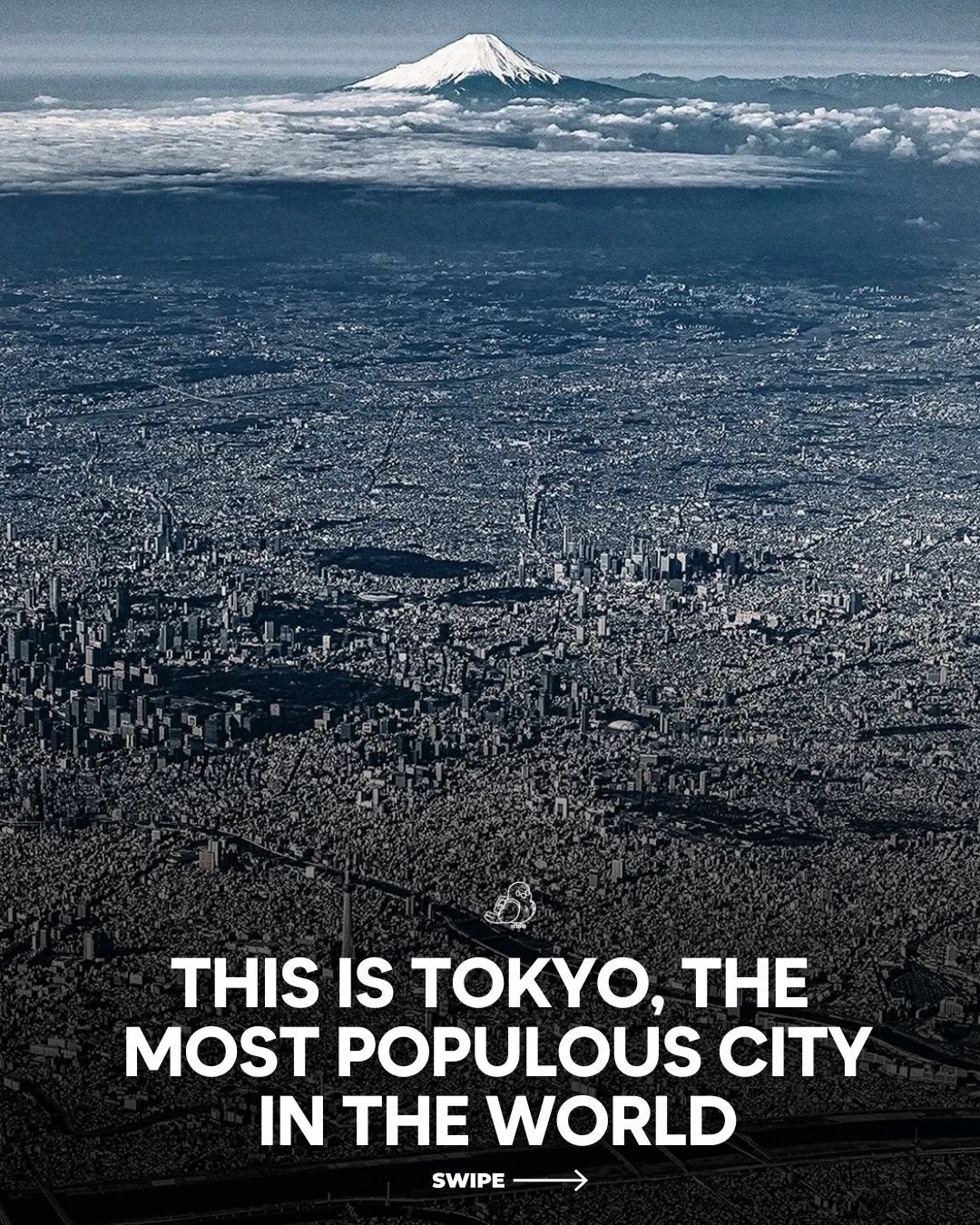
Tokyo: The World’s Most Populous City
Tokyo is a sprawling metropolis, recognized as the world’s largest metropolitan area by population. The Greater Tokyo Area is home to nearly 37 million residents, making it the most heavily populated urban region on Earth, in line with the on-screen text showcased. This sheer density of people is a testament to Tokyo’s status as a global hub for culture, commerce, and innovation.
Why Tokyo's Population Matters
Tokyo’s massive population underscores its significance on the global stage. The city’s influence extends far beyond its borders, impacting everything from global economics to cultural trends. Understanding Tokyo’s population dynamics provides insights into urban planning, infrastructure development, and the unique challenges and opportunities that come with managing a megacity.
Tokyo’s Urban Landscape
Tokyo is a city of contrasts. From the iconic neon lights of Shibuya Crossing to the serene temples of Asakusa, the city offers a blend of traditional and modern elements. The aerial views highlight the city’s density, with skyscrapers standing tall alongside historic neighborhoods. Mount Fuji, visible in the background, adds a natural element to the cityscape, reminding residents and visitors alike of the beauty that lies beyond the urban jungle.
High-Density Living
The Greater Tokyo Area’s population density is one of the highest in the world. This high concentration of people has led to innovative solutions in urban planning and infrastructure. Tokyo’s efficient public transportation system, for instance, is often cited as a model for other cities. The extensive network of trains, buses, and subways ensures that millions of commuters can navigate the city with relative ease.
Cultural Diversity
Tokyo’s population is not only large but also incredibly diverse. The city is a melting pot of cultures, with people from all over the world calling it home. This diversity is reflected in the city’s vibrant food scene, art galleries, and cultural festivals. From traditional Japanese cuisine to international fare, Tokyo offers a culinary journey that caters to every palate.
Tokyo's Iconic Landmarks
Beneath the Tokyo’s urban sprawl, the city is a treasure trove of iconic landmarks that attract millions of visitors each year.
Shibuya Crossing
Shibuya Crossing is one of the most famous intersections in the world. The pedestrian scramble, where thousands of people cross from all directions simultaneously, is a sight to behold. This bustling intersection is a symbol of Tokyo’s energy and vibrancy, and it’s a must-visit for anyone exploring the city.
Tokyo Skytree
The Tokyo Skytree is the world’s tallest free-standing broadcast tower. Standing at 634 meters, it offers panoramic views of the city. Visitors can enjoy a meal at one of the tower’s restaurants or simply take in the breathtaking vista from the observation decks.
Meiji Shrine
For a taste of traditional Japan, Meiji Shrine is a serene oasis in the heart of the city. Dedicated to Emperor Meiji and his wife, Empress Shōken, the shrine is surrounded by a beautiful forest. It’s a popular spot for locals and tourists alike, offering a peaceful respite from the city’s hustle and bustle.
Harajuku
Harajuku is Tokyo’s fashion and youth culture hub. The district is famous for its eclectic street fashion, quirky boutiques, and vibrant energy. Takeshita Street is the center of Harajuku’s fashion scene, where you can find everything from vintage clothing to the latest trends. The area is also home to several cafes and restaurants, making it a great place to spend an afternoon.
Practical Tips for Exploring Tokyo
Visiting Tokyo can be an overwhelming experience, given its size and the sheer number of attractions. Here are some practical tips to help you make the most of your trip.
Plan Your Route
Create an itinerary that allows you to see the highlights without feeling rushed. Tokyo’s public transportation system is efficient, making it easy to get around. Consider using a prepaid IC card like Suica or Pasmo for seamless travel.
Explore the Neighbourhoods
While iconic landmarks are a must-see, Tokyo’s real charm lies in its neighborhoods. Areas like Shinjuku, Shibuya, and Asakusa each offer a unique experience. Spend time wandering the streets, trying local food, and observing daily life.
Respect Local Customs
Tokyo is a city of contrasts, blending traditional customs with modern conveniences. Be mindful of local etiquette, such as removing shoes when entering homes or certain traditional restaurants, and respecting quiet zones on public transportation.
Embrace the Food Scene
Tokyo’s food scene is diverse and delicious. From street food to high-end dining, there’s something for every taste and budget. Don’t miss out on local specialties like sushi, ramen, and okonomiyaki. Consider joining a food tour to discover hidden gems.
Important Takeaways
Tokyo’s status as the world’s most populous city is a testament to its enduring appeal and significance on the global stage. The city’s unique blend of tradition and modernity, along with its vibrant cultural scene and efficient infrastructure, make it a fascinating place to explore. Whether you’re a first-time visitor or a seasoned traveler, Tokyo offers a wealth of experiences that will leave a lasting impression.
For anyone planning a trip to Tokyo, understanding the city’s population dynamics and key attractions can enhance your visit. By planning your route, exploring different neighborhoods, respecting local customs, and embracing the food scene, you’ll be able to immerse yourself in the rich tapestry that is Tokyo.
Conclusion
Tokyo’s status as the world’s most populous city makes it a fascinating subject of study and a must-visit destination. The city’s unique blend of tradition and modernity, along with its vibrant cultural scene and efficient infrastructure, make it a fascinating place to explore. Whether you’re a first-time visitor or a seasoned traveler, Tokyo offers a wealth of experiences that will leave a lasting impression. From iconic landmarks like Shibuya Crossing and the Tokyo Skytree to the serene beauty of Meiji Shrine, and the eclectic fashion scene of Harajuku, Tokyo is a city that never fails to captivate.
Questions readers ask
Why is Tokyo considered the world's most populous city?
Tokyo is considered the world's most populous city because the Greater Tokyo Area has a population of nearly 37 million people. This vast number includes the residents of Tokyo itself as well as those in the surrounding prefectures. The high population density makes Tokyo the most heavily populated urban region on Earth.
What are some of the unique urban challenges faced by Tokyo due to its large population?
Tokyo's large population presents unique urban challenges such as managing traffic congestion, housing demand, and waste disposal. The city's efficient public transportation system helps mitigate some of these issues, but the sheer number of residents requires constant innovation in urban planning and infrastructure development.
How does Tokyo's public transportation system help residents navigate the city?
Tokyo's public transportation system is renowned for its efficiency and extensive network, which includes trains, subways, and buses. This system helps residents navigate the vast urban landscape by providing frequent and reliable service to various parts of the city, making it easier for people to commute to work, school, and leisure activities.
What kinds of areas can travellers expect to see in Tokyo?
Visitors to Tokyo can expect to see a blend of modern and historic areas. The city is famous for its skyscrapers and modern architecture, as well as its well-preserved historic sites. Travellers can explore bustling commercial districts, serene gardens, and ancient temples all within a short distance, showcasing the city's rich cultural and historical heritage.
Why is Tokyo a global hub for culture, commerce, and innovation?
Tokyo's status as a global hub is attributed to its massive population and diverse economic activities. The city is a center for international business, hosting the headquarters of numerous multinational corporations. Additionally, Tokyo's vibrant cultural scene, including its arts, music, and fashion industries, contributes to its global influence, making it a hotbed for innovation and creativity.
What is the difference between Tokyo and the Greater Tokyo Area in terms of population?
Tokyo itself has a population of around 14 million people. However, the Greater Tokyo Area encompasses not only the city of Tokyo but also the surrounding metropolitan area, including prefectures like Kanagawa, Saitama, and Chiba, which collectively add to the total population of nearly 37 million, making it the most populous metropolitan area in the world.
How does Tokyo maintain a balance between modern development and historic preservation?
Tokyo balances modern development and historic preservation through careful urban planning. The city has designated areas for conservation, ensuring that historic sites and traditional neighborhoods are protected. At the same time, it actively promotes modern architecture and infrastructure, creating a unique urban landscape where the old and new coexist harmoniously.
Related deep dives
Similar reads based on topic and creator.


Recent articles
Fresh deep dives from the latest Reels we unpacked.




Comments
Be the first to comment.