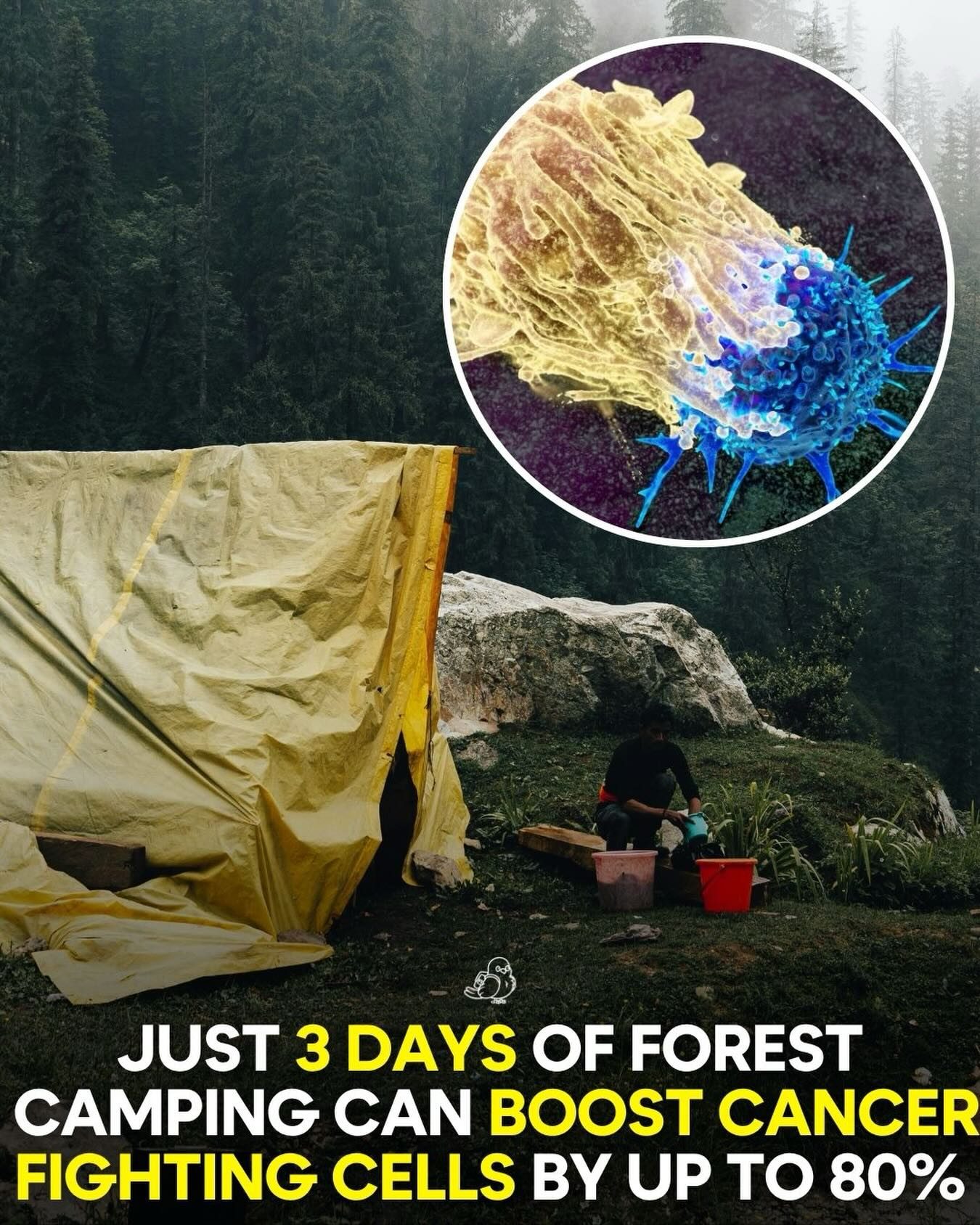
Forest Camping and Its Effects on Natural Killer Cells
Spending three days camping in a forest can significantly boost natural killer (NK) cell activity, according to Japanese research on forest bathing. NK cells play a crucial role in the body's defense against cancer and viral infections. This phenomenon is linked to reduced stress hormones and exposure to compounds released by trees called phytoncides. The benefits of forest camping can last for days after returning to urban environments, making it a compelling subject for outdoor enthusiasts and health-conscious individuals alike.
Why This Matters
The connection between nature and health is a well-studied area, but the specific impact of forest camping on NK cell activity offers unique insights. Understanding how spending time in natural environments can enhance immune function is valuable for promoting overall well-being and potentially improving health outcomes. For those who enjoy outdoor activities, this information can provide additional motivation to engage in forest camping and other nature-based experiences.
The Science Behind Forest Camping and NK Cells
Natural Killer Cells and Their Role
Natural killer cells are a type of white blood cell that plays a critical role in the immune system. They are responsible for identifying and destroying infected cells and cancerous cells without prior activation. NK cells are part of the innate immune system, providing a first line of defense against various threats. Their activity can be influenced by multiple factors, including stress levels and exposure to certain compounds.
The Impact of Forest Environments
Research conducted by Li, Qing, and colleagues in Japan focused on the effects of forest bathing, or Shinrin-yoku, on immune function. This study found that spending time in forest environments increased NK cell activity and the expression of anti-cancer proteins. The improvements were significant, with NK cell activity increasing by up to 80% after just three days of camping.
The Japanese study also revealed that the benefits of forest camping extend beyond the immediate period spent in nature. The enhanced NK cell activity and anti-cancer protein expression lasted for days after participants returned to urban environments. This suggests that the positive effects of forest camping are not just temporary but have a lingering impact on immune function.
Key Factors Contributing to the Benefits
Reduced Stress Hormones
One of the primary mechanisms behind the increased NK cell activity is the reduction in stress hormones. Forest environments are often associated with lower stress levels, which can have a positive impact on overall health. The calming effects of nature can help reduce cortisol levels, a stress hormone that can suppress immune function.
Exposure to Phytoncides
Another key factor is exposure to phytoncides, compounds released by trees that have antimicrobial and anti-inflammatory properties. Phytoncides are thought to enhance NK cell activity and contribute to the overall health benefits of forest environments. These compounds are believed to stimulate the immune system, making it more effective in fighting off infections and diseases.
Practical Tips for Enhancing the Benefits of Forest Camping
Plan Your Trip
To maximize the benefits of forest camping, it's essential to plan your trip carefully. Choose a location that is known for its dense forest cover and natural beauty. Ensure that you have the necessary gear, including a sturdy tent, appropriate clothing, and sufficient food and water supplies. Planning ahead will help you make the most of your time in nature without worrying about logistical issues.
Engage in Mindful Activities
While camping, engage in activities that promote relaxation and mindfulness. This could include meditation, yoga, or simply taking time to appreciate the natural surroundings. Mindful activities can help reduce stress levels and enhance the overall benefits of forest camping.
Important Takeaways
Impact on Immune Function
The research on forest camping and NK cell activity highlights the significant impact of nature on immune function. Spending time in forest environments can boost NK cell activity and the expression of anti-cancer proteins, providing a natural way to enhance immunity.
Long-Lasting Benefits
The benefits of forest camping extend beyond the immediate period spent in nature. The increased NK cell activity and anti-cancer protein expression can last for days after returning to urban environments, making it a valuable practice for overall health and well-being.
Practical Considerations
To fully benefit from forest camping, it is important to plan your trip and engage in activities that promote relaxation and mindfulness. Enjoying the natural surroundings and minimizing stress levels can help maximize the positive impact on your immune system.
Future Research
This field of study is promising, and there is much to explore. Future research could focus on the specific mechanisms through which phytoncides and reduced stress hormones influence NK cell activity. Additionally, studies could investigate the long-term effects of forest camping on immune function and overall health.
Conclusion
Spending three days camping in a forest can significantly boost natural killer cell activity and enhance immune function. The benefits of forest camping are linked to reduced stress hormones and exposure to phytoncides, making it a valuable practice for overall health and well-being. By planning your trip carefully and engaging in mindful activities, you can maximize the positive impact of forest camping on your immune system. Whether you are an avid outdoor enthusiast or simply looking for a way to improve your health, forest camping offers a natural and effective solution.
Questions readers ask
What are natural killer (NK) cells and why are they important?
Natural killer cells are a type of white blood cell that plays a key role in the body's immune response. They help combat cancer and viral infections by identifying and destroying abnormal or infected cells. Boosting NK cell activity can enhance your body's defense against these threats.
How does camping in a forest for three days impact NK cell activity?
Research indicates that forest camping for three days can significantly boost NK cell activity. This is due to a reduction in stress hormones and the inhalation of phytoncides, which are aromatic compounds released by trees.
What are phytoncides and how do they affect the immune system?
Phytoncides are organic compounds that trees release to protect themselves from insects and rot. When humans inhale these compounds, they can enhance immune function, particularly by boosting the activity of natural killer cells.
Can the benefits of forest camping be felt after returning to the city?
Yes, the positive effects on NK cell activity can last for several days after returning to an urban environment. This means that even a short camping trip can have lasting benefits for your immune system.
What is forest bathing and how does it relate to camping?
Forest bathing, or Shinrin-yoku, is a Japanese practice that involves immersing oneself in a forest environment to promote health and well-being. Forest camping is a form of forest bathing, as it allows for extended exposure to the beneficial effects of the forest.
Are there specific health benefits to camping in a forest compared to camping in other environments?
Forest environments are rich in phytoncides, which are not found in the same concentrations in other environments. This makes camping in a forest particularly beneficial for boosting NK cell activity and enhancing overall immune function.
What is the impact of stress hormones on NK cell activity during camping?
Stress hormones can suppress immune function, including the activity of natural killer cells. Forest camping helps lower stress hormones, thereby allowing NK cells to function more effectively in fighting off infections and cancer cells.
Related deep dives
Similar reads based on topic and creator.




Recent articles
Fresh deep dives from the latest Reels we unpacked.




Comments
Be the first to comment.