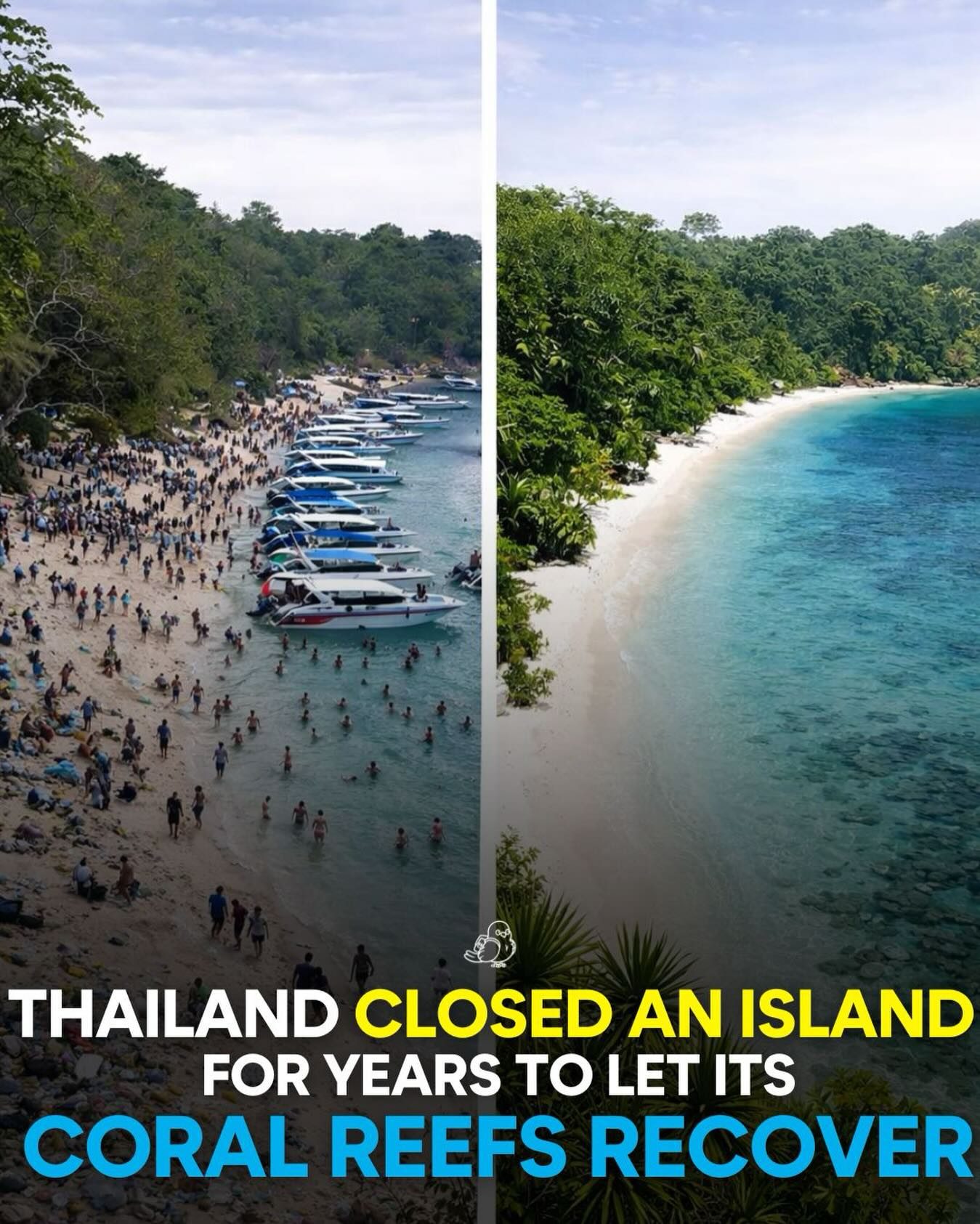
Island Reef Recovery
Thailand is taking bold steps to restore its coral reefs by closing some of its most famous islands and bays, such as Maya Bay on Ko Phi Phi Leh. These closures, often lasting for years, allow marine ecosystems to recover from the significant impact of tourism. The islands, previously off-limits, are now showing strong signs of reef regrowth and cleaner waters. This approach underscores the importance of conservation efforts and controlled reopening plans in protecting natural habitats.
Context / Why This Matters
Tourism can have a profound impact on natural environments, particularly on delicate ecosystems like coral reefs. The closure of islands in Thailand serves as a powerful example of how conservation measures can help restore damaged ecosystems. By temporarily halting tourism, these areas can regenerate, demonstrating the necessity of sustainable practices in environmental management.
Main Discussion
The Impact of Tourism on Coral Reefs
Coral reefs are some of the most biodiverse ecosystems on Earth, supporting a vast array of marine life. However, they are also extremely fragile and susceptible to damage from human activities. Tourism, which often involves activities like snorkeling, diving, and boating, can lead to physical damage to the reefs, pollution, and the introduction of invasive species. Over time, these factors can severely degrade coral reefs, leading to their decline and eventual loss.
Thailand's Conservation Efforts
In response to the degradation of its coral reefs, Thailand has implemented a series of conservation measures. One of the most notable steps is the closure of islands like Maya Bay on Ko Phi Phi Leh. By temporarily shutting down access, Thailand aims to reduce human impact and promote reef regeneration. The closure has allowed the reefs to recover, with significant regrowth and cleaner waters observed in the years since the ban.
The Role of Controlled Reopening
While the closure of these islands has been crucial for their recovery, it is not a permanent solution. Thailand's conservation strategy includes controlled reopening plans that balance the need for tourism with the protection of marine environments. These plans allow tourists to visit the islands under strict guidelines, ensuring that their impact on the reefs is minimized.
Sustainable Tourism Practices
Sustainable tourism involves practices that minimize the negative impact of tourism on the environment. This includes using eco-friendly materials, promoting conservation awareness, and implementing measures to reduce pollution. By adopting sustainable tourism practices, Thailand can continue to attract visitors while protecting its natural resources.
Regrowth of Coral Reefs
Coral reefs are essential for marine biodiversity and coastal protection. The regrowth of coral reefs in Thailand is a testament to the effectiveness of conservation efforts. The reefs not only support a wide variety of marine life but also act as natural barriers against storms and erosion, providing valuable protection to coastal communities. By allowing these ecosystems to recover, Thailand is ensuring their long-term survival and the benefits they provide.
Benefits of Conservation Efforts
The benefits of Thailand's conservation efforts extend beyond just the reefs. A healthier marine environment supports local fisheries, enhances biodiversity, and promotes sustainable ecotourism. These efforts also help to maintain the beauty and integrity of the islands, making them more attractive to eco-conscious travelers.
Practical Tips
For travelers interested in contributing to coral reef conservation, here are some practical tips:
- Choose Eco-Friendly Tour Operators: Support businesses that prioritize sustainability and follow guidelines to minimize environmental impact.
- Respect Marine Life: Avoid touching or standing on coral reefs. Maintain a safe distance from marine life and do not feed or harass animals.
- Use Reef-Safe Sunscreen: Some sunscreens contain chemicals that can harm coral reefs. Opt for reef-safe products to protect these ecosystems.
- Reduce Plastic Waste: Bring reusable items like water bottles and bags to reduce plastic waste. Properly dispose of trash and recycle when possible.
- Follow Local Guidelines: Adhere to local regulations and guidelines for visiting sensitive areas. This includes staying within designated areas and following instructions from local authorities.
Important Takeaways
- Closing islands to tourism can promote the recovery of coral reefs and marine ecosystems.
- Sustainable tourism practices are essential for balancing the needs of tourism with environmental conservation.
- Controlled reopening plans can help manage tourism while protecting natural habitats.
- Coral reefs are crucial for marine biodiversity and coastal protection, and their recovery is vital for the long-term health of marine ecosystems.
Conclusion
Thailand's approach to coral reef recovery serves as a model for sustainable tourism and environmental conservation. By closing islands to allow for reef regrowth, the country has demonstrated the importance of taking proactive measures to protect delicate ecosystems. As we move forward, it is essential to continue promoting sustainable tourism practices and supporting conservation efforts to ensure the health and longevity of our natural environments.
Questions readers ask
How long were popular islands like Maya Bay closed in Thailand and what benefits did it bring?
Maya Bay was closed for three years, from 2018 to 2021. This closure allowed the marine ecosystem to recover significantly, resulting in cleaner waters and regrowth of coral reefs, demonstrating the benefits of a tourism pause.
What specific changes were observed in the marine ecosystem after the closure of Maya Bay?
After the closure, Maya Bay showed strong signs of reef regrowth and cleaner waters. The absence of tourist activities allowed the marine life to flourish and the coral to replenish, showcasing the potential for natural recovery when given time.
Why did Thailand choose to close its popular islands like Maya Bay?
Thailand closed these islands to allow their marine ecosystems to recover from the significant impact of tourism. The closures, which often lasted for years, were part of a broader effort to protect and revitalize fragile habitats.
What can other destinations learn from Thailand's approach to island closures?
Other destinations can learn about the importance of controlled reopening and conservation efforts. By temporarily closing, Thailand has shown that natural habitats can recover and thrive, providing a model for sustainable tourism management.
How does tourism typically impact coral reefs and marine ecosystems?
Tourism can have a profound impact on coral reefs and marine ecosystems through activities like snorkeling, diving, and boating, which can damage coral, disturb marine life, and contribute to water pollution. By closing islands, Thailand has demonstrated how to mitigate these impacts.
What are the signs of reef regrowth in Thailand's closed islands?
Signs of reef regrowth include the return of coral colonies, increased biodiversity, and clearer waters. These changes indicate that the marine ecosystem is healing and becoming more resilient, thanks to the absence of tourist activities.
What is the significance of Thailand's approach to reef recovery for future tourism management?
Thailand's reef recovery efforts highlight the potential for controlled reopening and conservation efforts to protect fragile habitats. This approach can inform future tourism management by promoting eco-friendly practices and demonstrating the benefits of temporary closures for long-term sustainability.
Related deep dives
Similar reads based on topic and creator.




Recent articles
Fresh deep dives from the latest Reels we unpacked.




Comments
Be the first to comment.