Texas Abortion Law Controversy
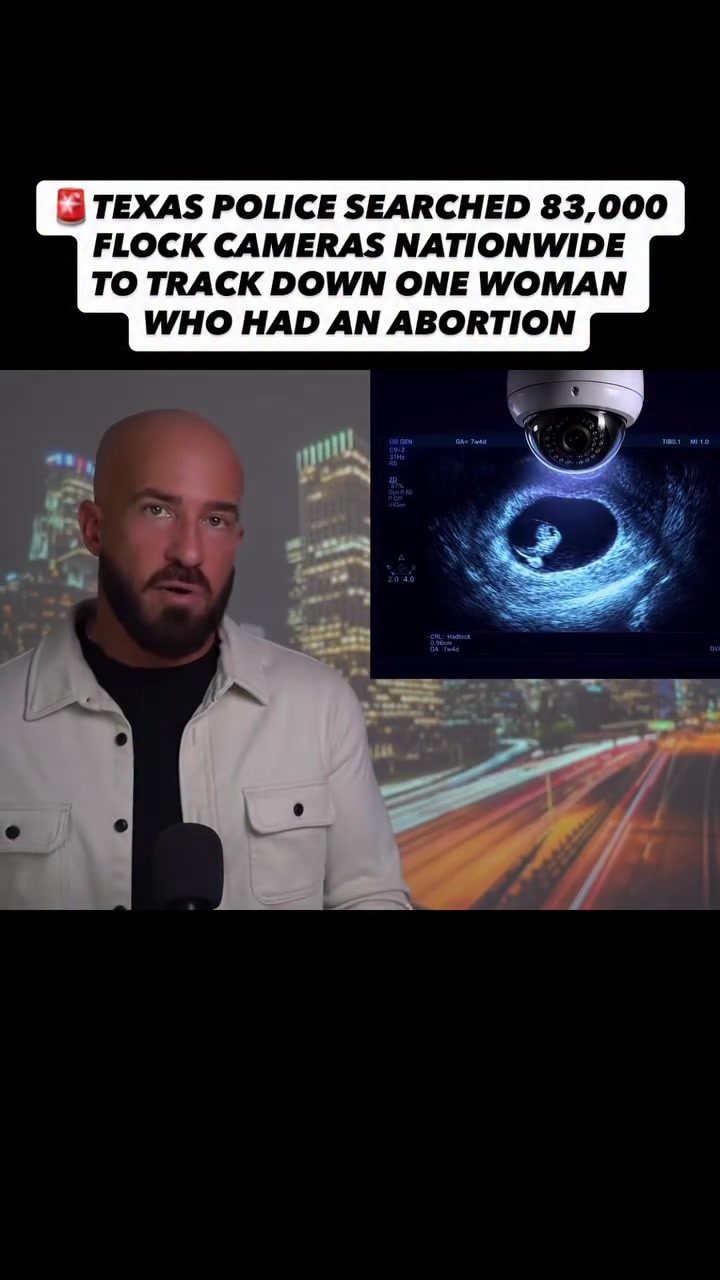
The use of surveillance technology in law enforcement has sparked a heated debate, particularly in the context of a recent incident involving Texas authorities and a vast network of cameras. The controversy centers around the use of 83,000 Flock cameras nationwide to locate a woman believed to have had a self-administered abortion. This incident, which occurred in April 2025, raises critical questions about the extent of surveillance, its efficacy, and the ethical implications of such technologies.
Why This Matters
The incident highlights the growing concern over the use of surveillance technology in law enforcement and its potential misuse. The fact that law enforcement agencies can track individuals across the country with such precision raises significant privacy and civil liberty issues. Moreover, the incident underscores the broader debate about the role of technology in policing and the potential for overreach.
The Incident and Its Implications
The Search for the Woman
Texas authorities used 83,000 Flock cameras nationwide to try to locate a woman they believed had a self-administered abortion in April 2025. The local sheriff stated that the woman's family was concerned for her safety, which led to the extensive search. This case is a stark example of how surveillance technology can be deployed to track individuals, even across vast distances.
Public Reaction and Questions
The public's reaction to this incident was mixed. Many were shocked by the extent of the surveillance, questioning why such technology was not used more effectively to find missing people, recover stolen cars, or locate fugitives. The discrepancy between the effectiveness of the search for this woman and the seeming inefficacy in other cases has raised significant questions about the priorities and capabilities of law enforcement.
The Role of Flock Cameras
Flock cameras, a network of license plate readers, have become a controversial tool in law enforcement. These cameras are designed to capture and store data on license plates, which can then be used to track individuals and vehicles. The incident in Texas highlights both the capabilities and limitations of this technology. While it can be used to locate individuals with a high degree of accuracy, its effectiveness in solving other crimes remains questionable.
The Founder's Stance
The founder of Flock Safety has been vocal about his views on those who map and publicize the location of these cameras. He has described groups that do so as a "terrorist organization," raising further questions about the ethical and legal boundaries of surveillance. This stance has sparked debate about the balance between public safety and individual privacy.
Practical Tips for Understanding Surveillance Technology
Knowing Your Rights
Understanding your rights is crucial in the age of pervasive surveillance. Many people are unaware of the extent to which they are being monitored, and knowing your rights can help you navigate this landscape. This includes understanding what data is being collected, how it is being used, and your options for opting out.
Staying Informed
Staying informed about the technologies used in surveillance is essential. Knowing how these systems work, their capabilities, and limitations can help you protect your privacy. This includes being aware of the types of data being collected, how it is being stored, and the potential for misuse.
Advocating for Change
Advocating for change in surveillance policies is another practical step. This can involve participating in public discussions, contacting your representatives, and supporting organizations that advocate for privacy rights. By making your voice heard, you can help shape policies that balance public safety with individual privacy.
Important Takeaways
The incident involving the use of Flock cameras in Texas highlights several important takeaways. First, surveillance technology is increasingly powerful and can be used to track individuals with a high degree of accuracy. Second, the public has significant concerns about the use of such technology, particularly in cases where it is not used to solve other, seemingly more pressing issues. Third, the ethical and legal boundaries of surveillance are still being debated, and there is a need for clear guidelines and safeguards.
Conclusion
The use of surveillance technology in law enforcement raises critical questions about privacy, civil liberties, and the role of technology in society. The incident in Texas serves as a reminder of the power and potential misuse of such technologies. As we move forward, it is essential to engage in thoughtful discussions about the balance between public safety and individual privacy, and to advocate for policies that protect both.
Questions readers ask
Why did Texas authorities use 83,000 cameras to track a woman suspected of self-administering an abortion?
Texas authorities utilized a network of 83,000 Flock cameras to locate a woman suspected of self-administering an abortion in order to enforce the state's abortion laws. This action raised significant concerns about the extent and ethics of surveillance in law enforcement.
What is the Flock camera network, and how does it work?
The Flock camera network is a system of cameras deployed across the United States to monitor and track individuals. The cameras are equipped with advanced technology that can capture license plates, and facial recognition software for tracking individuals' movements in real-time.
What are the potential privacy concerns with the deployment of 83,000 cameras?
The deployment of 83,000 cameras raises serious privacy concerns, as it allows law enforcement to track individuals' movements across vast distances. This level of surveillance can infringe on personal privacy and civil liberties, potentially leading to misuse and abuse. Many are also concerned that the use of these cameras could violate Fourth Amendment protections against unreasonable searches and seizures.
What is the public discourse around the use of surveillance technology in Texas?
The public discourse around the use of surveillance technology in Texas has been intense. Critics argue that such extensive surveillance undermines privacy and civil liberties, while proponents claim it enhances public safety and helps enforce the law. The debate has also highlighted the need for clear guidelines and regulations on the use of surveillance technology.
How has this incident impacted the debate on abortion laws in Texas?
The incident has intensified the debate on abortion laws in Texas, with many arguing that the use of surveillance technology to enforce these laws is an overreach of government power. It has also sparked discussions about the potential misuse of technology to target individuals based on their personal health decisions.
Are there any plans to regulate the use of surveillance technology in Texas?
In response to the controversy, there have been calls for increased regulation and oversight of surveillance technology use in Texas. Some legislators and advocacy groups are pushing for legislation that would establish clear guidelines and limitations on the use of such technology, ensuring a balance between public safety and individual privacy.
What are the broader implications of this incident for law enforcement practices?
This incident has broader implications for law enforcement practices, as it raises questions about the balance between public safety and individual privacy. Many are calling for a reevaluation of current practices to ensure that surveillance technology is used responsibly and ethically, with a focus on protecting the rights of all citizens.
Recent articles
Fresh deep dives from the latest Reels we unpacked.




Comments
Be the first to comment.