Human Rights Concerns
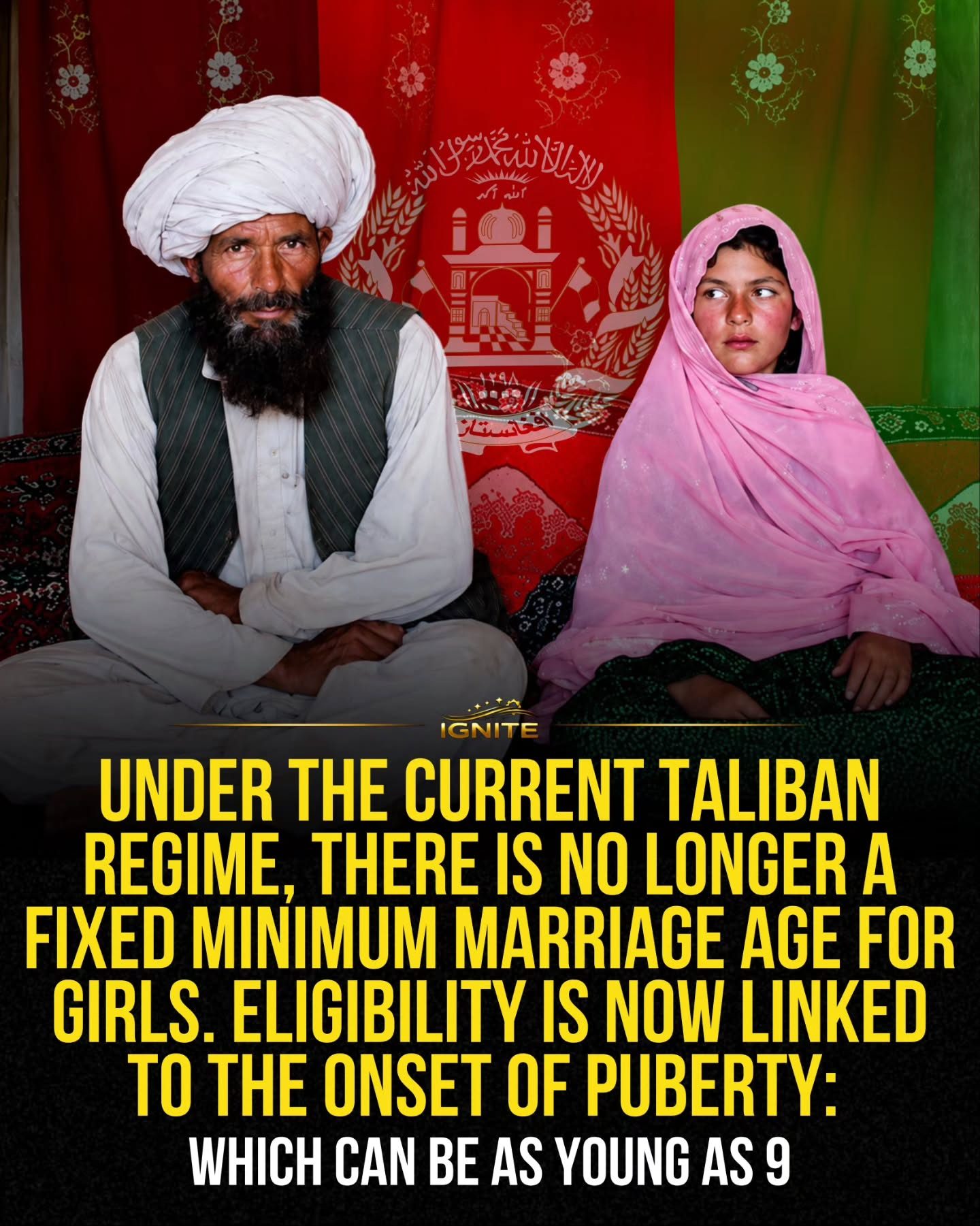
Afghanistan's current regime has sparked international concern with recent changes to marriage policies, particularly those affecting girls. The Taliban's new guidelines have removed the fixed minimum marriage age for girls, now tying eligibility to the onset of puberty, which can occur as young as nine years old.
Why This Matters
The shift in marriage policies underscores broader human rights concerns, particularly issues of girls' rights, child protection, and gender equality. The implications of these changes extend beyond Afghanistan, drawing attention from international human rights organizations and advocates worldwide. Understanding the context and specifics of these policies is crucial for grasping the implications for girls and women in Afghanistan and for shaping global responses.
Main Discussion
The Policy Change
Under the current Taliban regime, the minimum marriage age for girls has been eliminated. This change is part of a broader set of policies that have raised significant human rights concerns. The new policy states that a girl’s eligibility for marriage is now determined by the onset of puberty. Puberty can begin as early as nine years old, effectively permitting child marriages.
Implications for Girls
The policy change has alarming implications for girls in Afghanistan. Marriage at such a young age can lead to severe physical and psychological harm. Early marriage often results in dropping out of school, increasing the risk of domestic violence, and exposing girls to health complications from early pregnancy. The lack of a fixed minimum age also undermines efforts to promote girls' education and long-term well-being.
International Reactions
The Taliban's decision has sparked widespread condemnation from international organizations and governments. Human rights groups have emphasized the need to protect girls from early marriage and ensure their right to education and a childhood free from exploitation. The United Nations and other international bodies have called for urgent action to address these concerns and safeguard the rights of Afghan girls.
Legal and Ethical Considerations
The policy change raises critical legal and ethical questions. Many countries have ratified international treaties that mandate a minimum marriage age, typically set at 18, to protect children from exploitation and abuse. The Taliban’s stance not only contradicts these international standards but also infringes on fundamental human rights. Legal experts and ethicists have warned that such policies can have lasting negative impacts on the social and economic development of the country.
Practical Tips
For Activists and Advocates
Advocates and activists can play a significant role in raising awareness about the situation in Afghanistan. Sharing information on social media, organizing campaigns, and lobbying governments can help put pressure on the Taliban to reconsider their policies. Support for local organizations working on the ground is also crucial.
For Human Rights Organizations
Human rights organizations can work on several fronts. They can conduct research to document the impact of early marriage on girls, provide legal aid to victims, and advocate for policy changes. Collaboration with international bodies can amplify their efforts and bring global attention to the issue.
For International Governments
Governments can impose economic and diplomatic pressure on the Taliban to change their policies. Sanctions, aid conditionality, and public statements can serve as effective tools. Additionally, providing support to organizations working on girls' rights and education in Afghanistan is essential.
Important Takeaways
The Taliban's new marriage policy for girls in Afghanistan is a grave concern that affects girls' rights, education, and overall well-being. The policy's implications are far-reaching, impacting not only Afghan society but also the international community. Understanding the context and specifics of this policy is crucial for shaping effective responses and advocating for change. The global community must remain vigilant and work together to protect the rights of girls in Afghanistan.
Conclusion
The current situation in Afghanistan underscores the urgent need for action to protect girls' rights. The Taliban's policy on marriage eligibility is a stark reminder of the challenges faced by girls in conflict zones and under authoritarian regimes. By raising awareness, advocating for change, and providing support to local organizations, we can work towards a future where girls in Afghanistan are free from exploitation and have access to education and a safe childhood.
Questions readers ask
What is the current legal age for marriage for girls in Afghanistan under the Taliban's new policy?
The Taliban's new policy does not set a fixed minimum age for marriage. Instead, it allows girls to marry upon reaching puberty, which can be as young as nine years old.
Why are international organizations concerned about the Taliban's marriage policy changes?
International organizations are concerned because the policy changes lower the age at which girls can be married, which raises serious issues related to child protection, girls' rights, and gender equality.
How does the Taliban's policy on marriage impact gender equality in Afghanistan?
The policy can exacerbate gender inequality by potentially forcing young girls into marriages where they may not have a say, limiting their opportunities for personal growth and independence.
What are the potential risks for young girls in Afghanistan due to the Taliban's marriage policy?
Young girls may face risks such as early pregnancy, health complications, limited access to schooling, and exposure to domestic violence, which can have lasting impacts on their physical and mental well-being.
What steps are international organizations taking in response to the Taliban's marriage policy for girls?
International organizations are calling for swift action, advocating for policy changes, and raising awareness about the implications of the Taliban's marriage policy. They are also providing support to local activists and organizations working to protect girls' rights in Afghanistan.
How does the Taliban's marriage policy affect the global community?
The policy has drawn global attention, sparking conversations about human rights, child protection, and gender equality. It also raises concerns about the potential for increased humanitarian crises and refugee situations, as families may seek to flee to safety.
What can individuals do to support girls' rights in Afghanistan?
Individuals can support local and international organizations working to protect girls' rights, advocate for policy changes, raise awareness through social media, and contribute to fundraisers that support girls and women in Afghanistan.
Recent articles
Fresh deep dives from the latest Reels we unpacked.




Comments
Be the first to comment.