Alligators and Highway Encounters
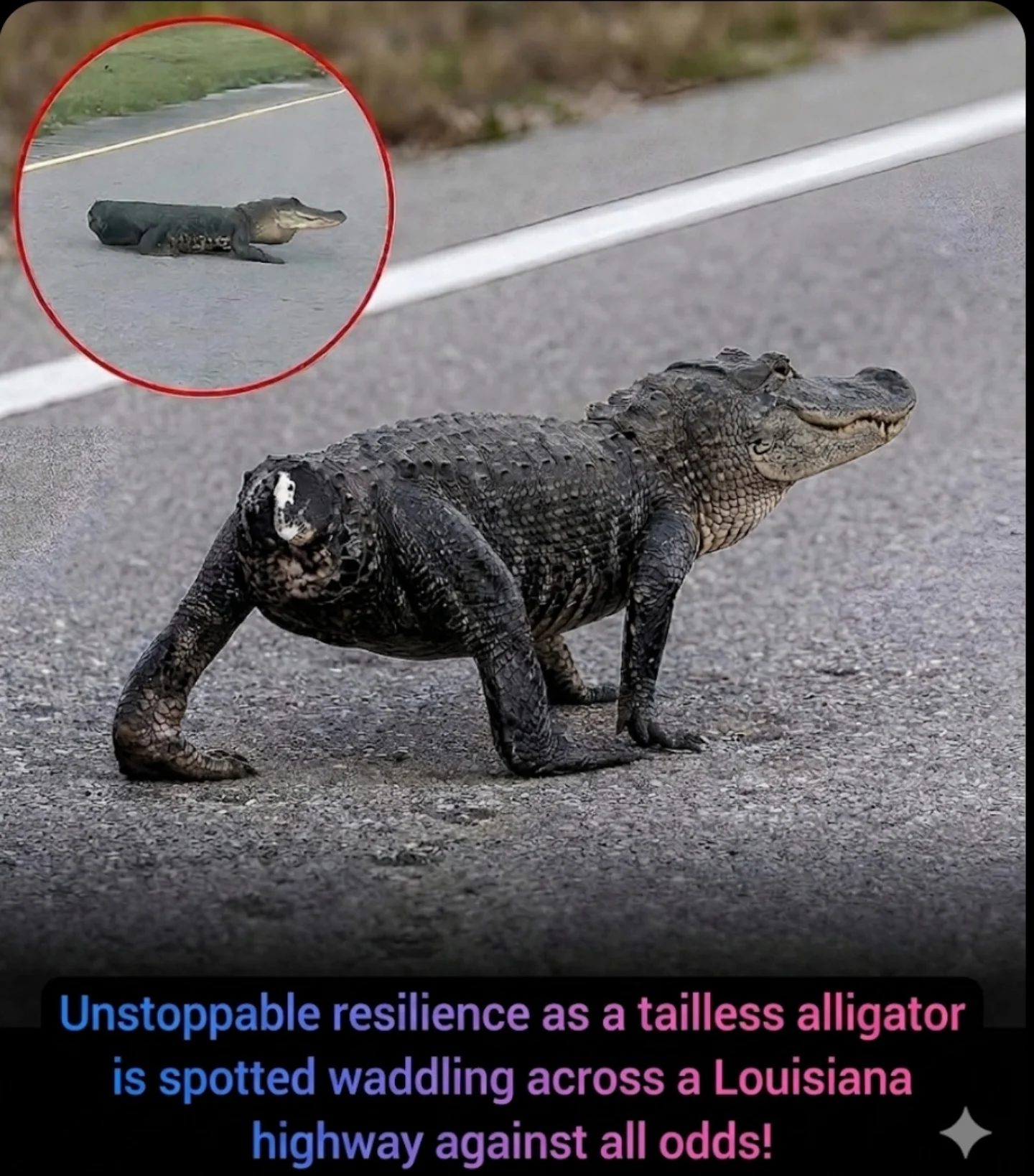
The sight of an alligator traversing a bustling highway is both astonishing and rare. This scenario unfolded in May 2025 on Highway 23 in Plaquemines Parish, Louisiana, where motorists witnessed a tailless American alligator making its way across the pavement. Ashlyn Bartholomew documented this extraordinary event, initially mistaking the reptile for a large dog due to its unusual appearance. The encounter sparked a deeper look into the resilience and adaptability of these powerful creatures.
Context / Why this matters
Understanding why an alligator would cross a highway and how it manages such an ordeal is crucial for several reasons. Firstly, it highlights the adaptability of wildlife in various environments, including those heavily impacted by human activity. Secondly, it underscores the importance of coexistence and safety measures for both humans and wildlife. Lastly, it provides valuable insights into the biological resilience of alligators, which can inspire further conservation efforts.
Main discussion
The Encounter and Initial Observations
On that fateful day, motorists in Plaquemines Parish were taken aback by the unusual sight. The alligator, notably missing its entire tail, was observed waddling across the highway. This sighting was more than just a curiosity; it offered a glimpse into the adaptability of these reptiles in the face of significant physical challenges.
Potential Causes of the Injury
Expert herpetologists from the Audubon Zoo in New Orleans reviewed the footage and suggested two primary causes for the alligator's injury:
- Intraspecific Conflict: Territorial disputes with larger alligators can result in severe injuries, including the loss of a tail. These conflicts are common in the wild and often occur during mating seasons or when alligators defend their territories.
- Mechanical Trauma: An encounter with a boat propeller is another plausible explanation. Boating activities in Louisiana's waterways are prevalent, and alligators often find themselves in harm's way due to human interference. Propeller injuries can be catastrophic, leading to the loss of appendages and even death.
Adaptability and Biological Resilience
The loss of a tail poses a substantial physiological challenge for alligators. The tail is essential for locomotion, providing the primary thrust for swimming in deep water. It also serves as a crucial site for fat storage, especially during winter months. Despite these challenges, alligators have exceptional immune systems that can prevent sepsis even after catastrophic trauma. This resilience allows them to adapt their behavior, shifting from deep-water predation to scavenging or hunting in shallow marsh banks to compensate for their reduced mobility.
Practical tips
Safety Measures for Motorists
Encountering an alligator on the highway can be unnerving. Here are some practical tips for motorists:
- Stay Calm and Slow Down: If you spot an alligator on the road, remain calm and reduce your speed. Sudden movements or loud noises can startle the animal, causing it to react unpredictably.
- Give it Space: Maintain a safe distance and avoid getting out of your vehicle. Alligators, even those injured, can be aggressive if threatened.
- Report the Sighting: Notify local wildlife authorities or the appropriate department. They can assess the situation and take necessary actions to ensure the safety of both the alligator and motorists.
Conservation Efforts
Supporting conservation efforts is crucial for the protection of alligators and their habitats. Here are a few ways you can contribute:
- Respect Wildlife: Always maintain a safe distance from wildlife and avoid feeding or disturbing them. This includes alligators, which are protected under state and federal laws.
- Support Conservation Organizations: Organisations like the Audubon Zoo and various wildlife conservation groups work tirelessly to protect alligators and their habitats. Consider donating or volunteering your time.
- Promote Safe Boating Practices: If you enjoy boating, adhere to safe practices and be mindful of alligators in the water. This includes reducing speed in areas known for alligator activity and avoiding areas where alligators are commonly seen.
Important takeaways
The encounter with the tailless alligator on Highway 23 in Louisiana offers valuable insights into the resilience and adaptability of these remarkable creatures. Herpetologists' analysis suggests that both intraspecific conflict and mechanical trauma could have caused the injury. Despite the severe physiological challenges, the alligator's robust immune system and behavioral adaptations highlight its incredible resilience.
Conclusion
Alligators are formidable creatures capable of overcoming significant challenges. The sight of a tailless alligator crossing a busy highway is a testament to their adaptability and resilience. By understanding the causes of such injuries and promoting safe practices, we can ensure the coexistence of humans and wildlife, fostering a deeper appreciation for the natural world.
Questions readers ask
Why was the sighting of a tailless alligator on a Louisiana highway so notable?
The sighting was notable because alligators typically avoid human-impacted areas, and a tailless alligator is even more unusual. This event highlighted the resilience and adaptability of these creatures in navigating challenging environments like busy highways.
What can be inferred about the alligator's behavior from this incident?
The alligator's journey across the highway suggests that these creatures can adapt to unexpected obstacles and traverse unfamiliar terrains, even when injured. This behavior showcases their tenacity and ability to navigate diverse environments.
How might the tailless alligator have lost its tail?
The loss of an alligator's tail is often due to injury, such as a traumatic encounter with another animal, a vehicle, or environmental hazards. In this case, the exact cause of the tail loss is unknown, but it underscores the challenges that wildlife face in their environments.
What measures can be taken to ensure the safety of wildlife during human-wildlife encounters?
Implementing wildlife safety measures such as fencing, underpasses, and overpasses can help reduce the risk of collisions and ensure the safety of both wildlife and motorists. Additionally, drivers should remain vigilant, especially in areas known for wildlife crossings.
What can we learn from the alligator's behavior in water and on land?
Observing the alligator's behavior in both water and on land provides insights into its adaptability and survival strategies. In water, alligators are agile and efficient predators, while on land, they exhibit remarkable resilience, even in challenging situations.
How did Ashlyn Bartholomew's documentation of the event contribute to understanding alligator behavior?
Ashlyn Bartholomew's documentation provided a rare, firsthand account of an alligator's behavior in an unusual setting, offering valuable information about the animal's adaptability and resilience. This kind of documentation is crucial for understanding and appreciating wildlife in various environments.
Related deep dives
Similar reads based on topic and creator.



Recent articles
Fresh deep dives from the latest Reels we unpacked.




Comments
Be the first to comment.