Solar Rail Farms: Harnessing the Power of the Sun Alongside Railway Tracks
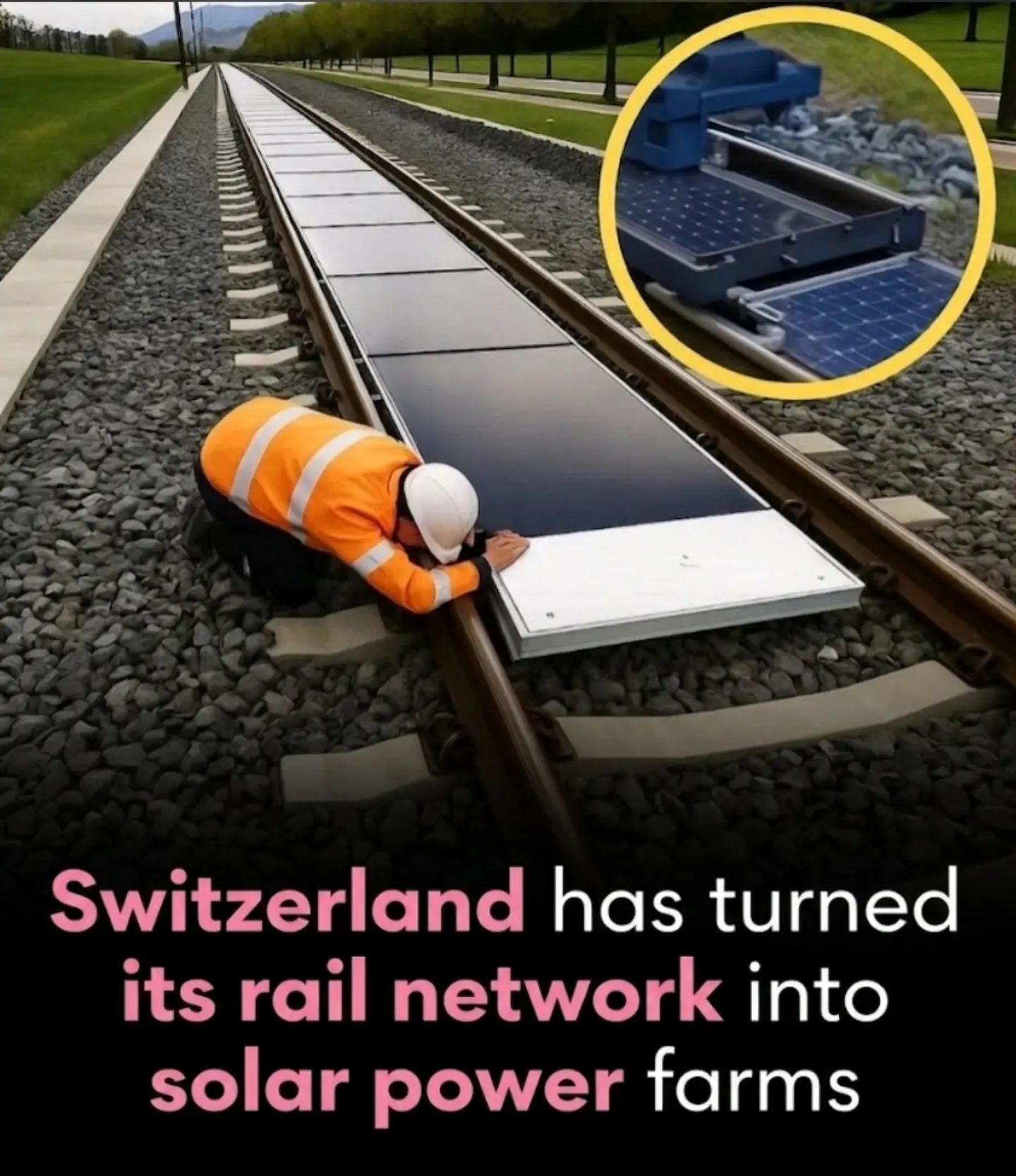
Switzerland has embarked on a groundbreaking endeavor, integrating solar panels directly into its railway infrastructure. This initiative, pioneered by the Swiss startup Sun-Ways, involves installing solar panels between the tracks, creating a unique and efficient way to generate solar energy.
Context: Why This Matters
This innovative approach addresses several critical challenges in renewable energy production. By utilizing existing railway infrastructure, the project avoids the need to acquire additional land, which is often a contentious issue in renewable energy development. Agricultural and natural lands are preserved, as the solar panels are installed in the narrow corridor between the tracks. This method also maximizes the use of underutilized spaces, making it a practical solution for densely populated areas where land is scarce.
The Pioneer Solar Panel Design
Installation and Removal
The solar panels used in this project are designed to be easily installed and removed. They are laid out between the train tracks, much like a carpet, using a specialized mechanical system. This design ensures that the panels can be quickly removed during routine track maintenance and rail grinding operations. Such flexibility is crucial for maintaining the safety and integrity of the railway system while harnessing solar energy.
Clean Energy Generation
By integrating solar panels with the railway infrastructure, Switzerland aims to generate clean, renewable energy. This helps reduce reliance on fossil fuels and lowers carbon emissions. The generated electricity can power various aspects of the railway system, including signaling, lighting, and even the trains themselves, contributing to a more sustainable transport network.
Efficiency and Maintenance
The solar panels are designed for easy maintenance. Their layout allows for efficient cleaning and inspection, ensuring that they operate at peak performance. The panels can be removed and reinstalled without disrupting railway operations, making this a practical and effective solution for long-term energy generation.
Practical Tips for Implementing Solar Rail Farms
Assess Site Suitability
Before implementation, it's crucial to assess the suitability of the railway corridors. Factors such as sunlight exposure, track layout, and the presence of obstructions should be considered. Ideally, the corridors should have minimal shade and be free of obstructions that could affect the panels' performance.
Utilize Specialist Technology
Implementing this technology requires specialized equipment and expertise. Companies like Sun-Ways provide mechanical systems for installing and removing the solar panels. Working with experts ensures that the installation is efficient and that the panels are properly maintained.
Promote Community and Stakeholder Engagement
Engaging with local communities, railway authorities, and other stakeholders is essential for the success of such projects. Clear communication about the benefits, such as reduced carbon emissions and preserved natural lands, can garner support and cooperation.
Evaluate Cost-Benefit Analysis
Conduct a thorough cost-benefit analysis to understand the financial implications. Consider the upfront costs of installation, maintenance, long-term energy savings, and potential revenue from selling excess electricity. This analysis will help determine the project's viability and potential return on investment.
Important Takeaways
Innovative Land Use
One of the standout advantages of this initiative is its innovative use of land. By utilizing railway corridors, Switzerland is able to generate solar energy without encroaching on agricultural or natural lands. This approach sets a precedent for other countries looking to integrate renewable energy sources without compromising valuable land resources.
Sustainable Transportation
The integration of solar panels with railway infrastructure aligns with the broader goal of creating a sustainable transportation system. By powering the railway with renewable energy, the initiative contributes to a greener, more efficient transport network. This not only reduces the carbon footprint of the railway but also sets a standard for other transportation sectors to follow.
Flexibility and Efficiency
The design of the solar panels, which can be easily installed and removed, ensures that railway operations are not disrupted. This flexibility is a major advantage, as it allows for regular maintenance and inspections without halting train services. The panels' efficiency in generating clean energy, combined with their ease of maintenance, makes this a practical and effective solution.
Conclusion
Switzerland's initiative to transform its railway infrastructure into solar power farms is a testament to innovative thinking in renewable energy. By integrating solar panels into railway tracks, the country is harnessing clean, renewable energy while preserving valuable land resources. This approach not only contributes to sustainability but also sets a benchmark for other regions to follow, paving the way for a greener future.
Questions readers ask
How do solar rail farms work in Switzerland?
Solar rail farms in Switzerland involve installing solar panels between the existing railway tracks. These panels harness solar energy and convert it into electricity. This setup allows for power generation without requiring additional land, making it a space-efficient solution.
What are the benefits of integrating solar panels with railway infrastructure?
Integrating solar panels with railway infrastructure offers several benefits. It prevents the need for new land acquisition, preserving agricultural and natural lands. Additionally, it provides a sustainable source of energy and reduces the carbon footprint of railway operations.
Which company is behind the solar rail farm initiative in Switzerland?
The initiative is pioneered by the Swiss startup Sun-Ways. They specialize in developing innovative solar technology solutions that can be integrated into existing infrastructure, such as railway tracks.
How does the solar rail farm project address land use concerns?
The solar rail farm project addresses land use concerns by utilizing the narrow corridor between railway tracks for solar panel installation. This avoids the need for additional land, which is often a contentious issue in renewable energy development, and helps preserve both agricultural and natural lands.
What makes the solar rail farm project unique in the realm of renewable energy?
The uniqueness of the solar rail farm project lies in its integration of solar technology with existing railway infrastructure. This approach not only generates clean energy but also optimizes land use, making it a distinctive and efficient solution in the renewable energy sector.
What is the pilot solar rail project in Switzerland?
The pilot solar rail project in Switzerland is an initial phase of the solar rail farm initiative. It involves testing and demonstrating the feasibility of installing solar panels along railway tracks. The pilot phase helps gather data and refine the technology before wider implementation.
How does the solar rail farm project support sustainable infrastructure?
The solar rail farm project supports sustainable infrastructure by providing a dual-purpose solution for railways: transporting passengers and goods while generating clean energy. This integration of renewable energy sources with existing infrastructure helps reduce the overall environmental impact and promotes sustainability.
Recent articles
Fresh deep dives from the latest Reels we unpacked.




Comments
Be the first to comment.