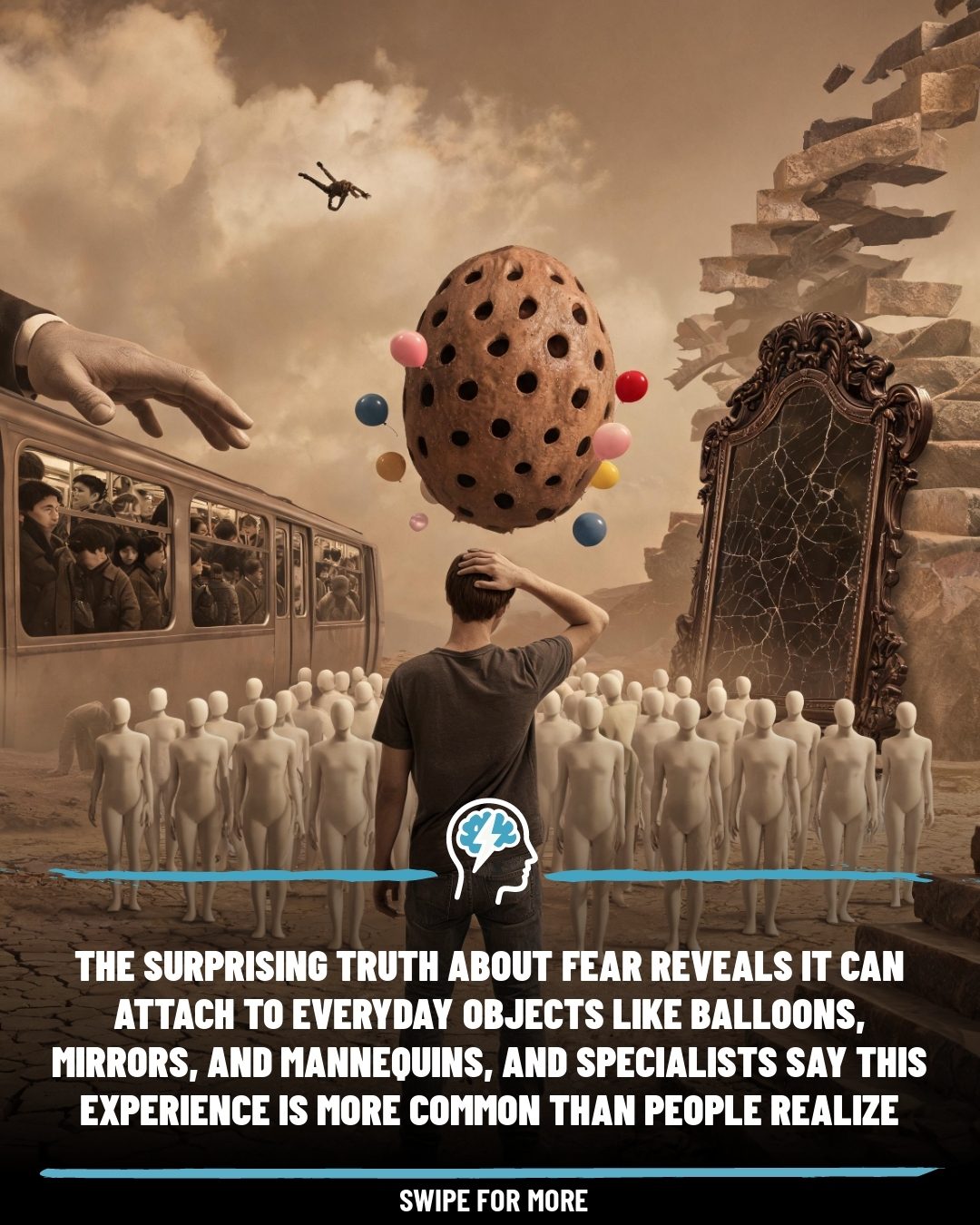
Phobias: Understanding Irrational Fears
Phobias are not just mere dislikes; they are intense, irrational fears that can significantly disrupt daily life. While many people are familiar with common fears like heights or spiders, specialized phobias often go unrecognized and misunderstood. These fears can trigger an immediate fight or flight response, leading individuals to become hypervigilant and avoid whatever sets them off.
Why This Matters
Phobias affect more people than one might think and can have a profound impact on an individual's quality of life. Understanding these fears is crucial for empathizing with those who experience them and for developing strategies to manage and overcome them. Recognizing the diversity of phobias can also help in creating more inclusive and supportive environments.
Common Objects as Triggers
Many phobias center around everyday items that are often tied to joy, utility, or basic grooming. These fears can turn common objects into sources of dread and anxiety.
Globophobia: The Fear of Balloons
Globophobia is the fear of balloons, particularly the unpredictable popping sound they make. This fear can make celebrations and gatherings challenging, as balloons are often a central part of such events.
Eisoptrophobia: The Fear of Mirrors
Eisoptrophobia involves avoiding mirrors due to dread about what might stare back. This fear can make daily activities like grooming or using public restrooms particularly anxiety-inducing.
Automatonophobia: The Fear of Human-Like Figures
Automatonophobia is the fear of human-like figures, such as mannequins. This phobia is often linked to the uncanny valley effect, where objects that closely resemble humans but are not quite human can evoke feelings of unease or fear.
Existential and Sensory Fears
Some phobias involve abstract concepts or visual patterns that turn everyday life into a sensory obstacle course.
Apeirophobia: The Fear of Infinity or Eternity
Apeirophobia centers on existential dread, where the vastness of infinity or eternity feels overwhelming. This phobia is often linked to deeper anxieties about mortality and meaning, making it a particularly complex and challenging fear to manage.
Trypophobia: The Fear of Clustered Holes
Trypophobia involves a strong reaction to clusters of small holes, such as those found in seed pods or honeycombs. Some researchers suggest that this fear may be an evolved aversion to disease or danger cues, making it a primal and instinctual response.
Scopophobia: The Fear of Being Watched
Scopophobia is the persistent feeling of being watched, even when alone. This fear can make public spaces and social interactions particularly distressing, as individuals feel constantly under scrutiny.
Challenges in Physical Connection
Phobias can also affect the way individuals experience physical connection and intimacy, making these interactions challenging.
Haphephobia: The Fear of Being Touched
Haphephobia turns touch into a threat. A stranger's hand on the shoulder can trigger real panic for someone with this phobia. Crowded spaces like public transit often become especially distressing for those with haphephobia.
Eurotophobia
Eurotophobia is a lesser-known fear centered on female anatomy, causing anxiety during intimacy or medical exams. This phobia can significantly impact an individual's personal and professional life, making medical care and relationships particularly challenging.
The Path to Recovery
Understanding the source of these fears is the first step toward recovery. Many phobias are wired into the brain's survival circuitry, where something harmless gets flagged as dangerous. Mental health professionals often use exposure therapy and cognitive behavioral techniques to help people desensitize to their fears. Facing triggers gradually, in a controlled setting, can help individuals regain control over their daily lives.
Practical Tips
- Seek Professional Help: Working with a mental health professional can provide strategies and techniques tailored to individual needs.
- Exposure Therapy: Gradually facing fears in a controlled environment can help desensitize the individual to their triggers.
- Support Network: Building a support network of friends, family, and peers can provide emotional support and understanding.
- Mindfulness and Relaxation Techniques: Practices like mindfulness meditation and deep breathing can help manage anxiety and reduce the intensity of phobic responses.
Important Takeaways
Phobias are complex and multifaceted, affecting individuals in various ways. Understanding the diversity of phobias can foster empathy and support for those who experience them. Recognizing that these fears are not just mere dislikes but genuine, often overwhelming experiences can lead to more meaningful conversations and better support systems.
Conclusion
Phobias can significantly disrupt daily life, but with the right strategies and support, individuals can manage and overcome these fears. By understanding the various types of phobias and their triggers, we can create more inclusive and supportive environments for everyone.
Questions readers ask
What are some of the most common phobias that people experience in everyday life?
Some of the most common phobias include fears of common objects, situations or abstract concepts such as heights or spiders. However, there are many more specialized phobias that are less recognized and often misunderstood, like trypophobia, the fear of holes, or aphobia, the fear of crowds.
How do phobias differ from mere dislikes or fears?
Phobias are intense, irrational fears that can significantly disrupt daily life. Unlike mere dislikes or fears, phobias trigger an immediate and intense fight or flight response, leading individuals to become hypervigilant and avoid whatever sets them off.
What are some strategies to manage and overcome phobias?
Managing and overcoming phobias often involves a combination of strategies, including gradual exposure, cognitive behavioral therapy and stress reduction techniques. Developing a support system and seeking professional help can also be crucial in overcoming these fears.
What are the triggers for phobias?
Phobias can be triggered by a wide range of stimuli, including common objects, situations and abstract concepts. These triggers can lead to anxiety and avoidance behaviors, significantly impacting an individual's daily life.
How can understanding phobias help create more supportive environments?
Understanding phobias can help create more inclusive and supportive environments by fostering empathy and awareness. Recognizing the diversity of phobias and their impact on individuals can lead to better support and management strategies.
What are existential fears and how do they differ from other types of phobias?
Existential fears are phobias that involve abstract concepts, such as fear of death or fear of being alone. Unlike fears that are based on tangible objects, these fears are more abstract and can be more challenging to manage and overcome.
What are the causes of phobias?
Phobias can have a variety of causes, including genetic predisposition, traumatic experiences and learned behaviors. Understanding the causes of phobias can help in developing effective management strategies and providing the right support for individuals experiencing these fears.
Related deep dives
Similar reads based on topic and creator.




Recent articles
Fresh deep dives from the latest Reels we unpacked.




Comments
Be the first to comment.