Supreme Court Ruling on Trans Athletes in Girls' Sports
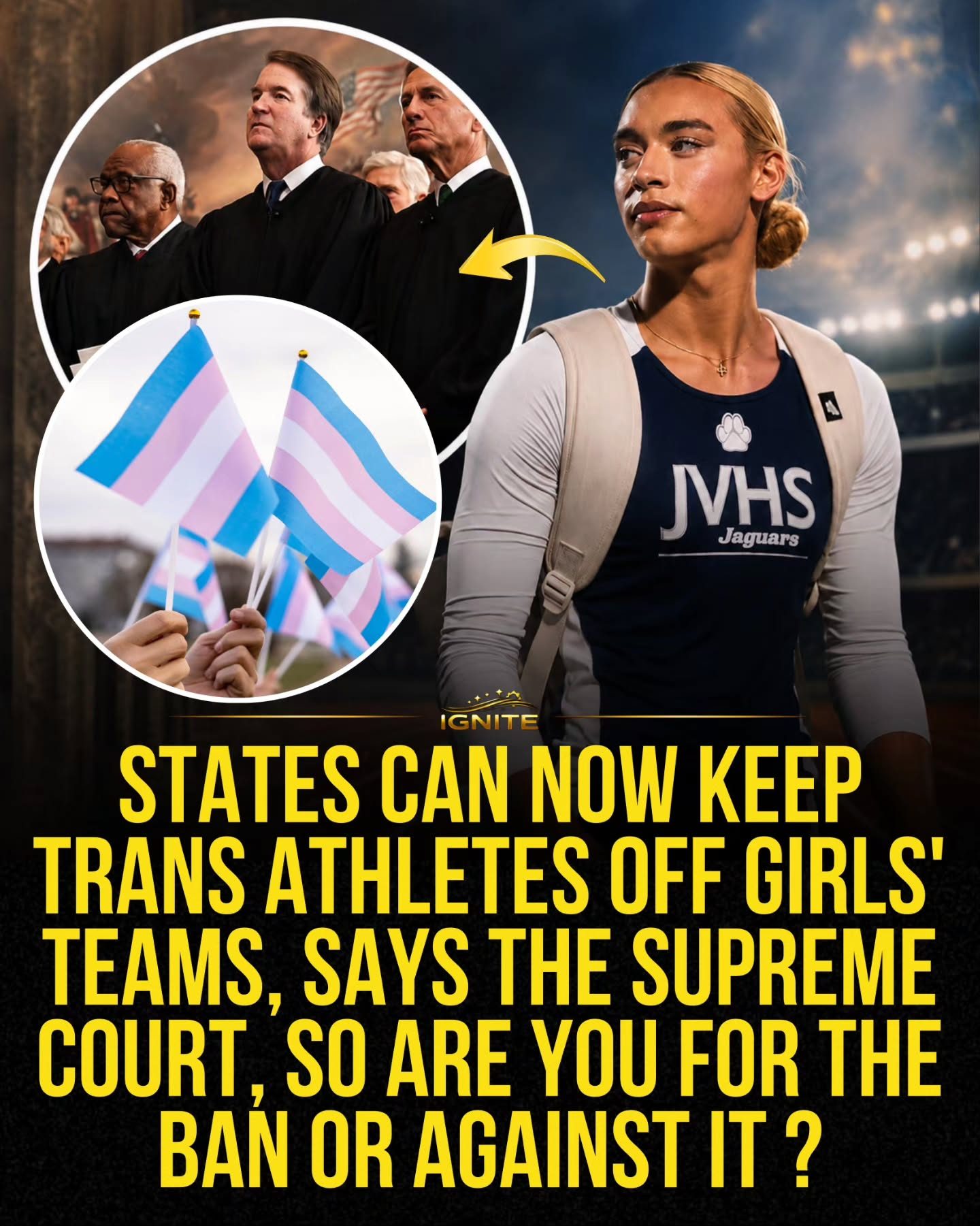
Girls’ and women’s sports teams are undergoing a significant transformation following a recent Supreme Court ruling. The Court upheld laws in Idaho and West Virginia that restrict eligibility for these teams to biological females. This decision has reignited a contentious debate across the United States, with supporters highlighting fairness and safety, and critics emphasizing inclusion and equal opportunities.
Context / Why this matters
The Supreme Court’s ruling in West Virginia v. B.P.J. and Little v. Hecox is a pivotal moment in the ongoing discussion about the role of transgender athletes in school sports. By upholding laws that restrict eligibility based on biological sex, the Court has effectively given states the authority to implement similar policies. This ruling has far-reaching implications for more than two dozen states that have already enacted or are considering similar legislation.
Main discussion
The Ruling and Its Implications
The Supreme Court’s decision affirms that the laws in Idaho and West Virginia do not violate Title IX or the Constitution’s Equal Protection Clause. This legal precedent allows states to determine eligibility for girls’ and women’s sports teams based on biological sex.
Title IX and Equal Protection
Title IX, which prohibits discrimination based on sex in federally funded education programs, has been a cornerstone of women’s athletics. The Supreme Court’s ruling clarifies that these laws do not infringe upon Title IX protections, effectively shifting the focus to biological sex as a determinant for team eligibility.
Biological Sex vs. Gender Identity
The debate surrounding transgender athletes in sports often revolves around the distinction between biological sex and gender identity. Supporters of the ruling argue that biological sex is a crucial factor in maintaining fairness and safety in women’s sports, while critics contend that this approach excludes transgender students from full participation and equal opportunities.
Legislative Impact
The ruling is expected to influence similar laws in more than two dozen states. This could mean a significant shift in how schools and athletic organizations approach the inclusion of transgender athletes in girls' and women's sports teams. States may now feel emboldened to implement or enforce stricter regulations based on biological sex.
Practical tips
Understanding the Legal Landscape
For educators, athletes, and parents, it’s essential to stay informed about the legal landscape surrounding transgender athletes in sports. Keeping abreast of the latest developments and understanding the implications of the Supreme Court’s ruling can help navigate the evolving policies and regulations.
Encouraging Inclusive Policies
While the ruling focuses on biological sex, it’s crucial to advocate for policies that promote inclusivity and fairness. Schools and athletic organizations can work towards creating guidelines that respect both the spirit of Title IX and the needs of all athletes, regardless of their gender identity.
Providing Support to Transgender Athletes
Transgender athletes may face unique challenges in the wake of this ruling. Schools and communities can provide support by offering resources, counseling, and inclusive environments that foster a sense of belonging and empowerment.
Fostering Dialogue and Understanding
The debate surrounding transgender athletes in sports is complex and multifaceted. Encouraging open dialogue and understanding can help bridge divides and foster a more inclusive athletic environment. Engaging in respectful conversations about the issues at hand can lead to better policies and practices.
Important takeaways
The Supreme Court’s ruling on transgender athletes in girls’ sports is a significant development with far-reaching implications. Here are some key points to consider:
- The Court upheld laws in Idaho and West Virginia, allowing schools to restrict eligibility based on biological sex.
- This ruling does not violate Title IX or the Constitution’s Equal Protection Clause.
- The decision is expected to influence similar laws in more than two dozen states.
- Supporters argue that the ruling protects fairness and safety in women’s sports.
- Critics contend that it excludes transgender students from equal participation and opportunities.
Conclusion
The Supreme Court’s recent ruling on transgender athletes in girls’ sports is a landmark decision that reshapes the future of athletic eligibility. While the ruling has reignited debate and sparked divergent opinions, it is essential to stay informed and engaged. By understanding the legal implications, fostering inclusive policies, and providing support to all athletes, we can work towards a more equitable and respectful athletic environment.
Questions readers ask
What does the recent Supreme Court ruling on transgender athletes in girls’ sports entail?
The Supreme Court ruling upholds laws in Idaho and West Virginia that require athletes on girls’ and women’s sports teams to be biologically female, effectively setting a precedent that could influence policies across the United States. This decision prioritizes biological sex as a determining factor for eligibility in these sporting events.
How has the Supreme Court ruling impacted sports policies nationwide?
By upholding the laws in Idaho and West Virginia, the Supreme Court has given other states the green light to implement similar policies, which could lead to a broader shift in how eligibility for girls’ and women’s sports teams is determined. This ruling is expected to influence legislative decisions and sports policies across the country.
What are the arguments in favor of the Supreme Court’s ruling on transgender athletes?
Supporters of the ruling argue that it promotes fairness and safety in girls’ and women’s sports. They believe that biological differences, such as strength and physique, give biological males an unfair advantage, which could potentially undermine the integrity of competitions and compromise the safety of biological females.
What are the counterarguments against the Supreme Court’s ruling on transgender athletes?
Critics of the ruling emphasize the importance of inclusion and equal opportunities for all athletes, regardless of their gender identity. They argue that excluding transgender athletes from girls’ and women’s sports teams could lead to discrimination and mental health issues for these individuals, who deserve the same chance to participate in sports as their cisgender peers.
What does this ruling mean for transgender athletes in Idaho and West Virginia?
For transgender athletes in Idaho and West Virginia, this ruling means that they will no longer be able to compete on girls’ and women’s sports teams. This could potentially limit their opportunities to participate in sports and may force them to either sit out of competitions or join teams that align with their biological sex, which may not be an option for all trans athletes.
How might this ruling affect high school and college sports?
This ruling could lead to changes in high school and collegiate sports policies, as institutions may now face pressure to align their eligibility criteria with the Supreme Court’s decision. As a result, transgender athletes could encounter barriers to participating in sports at these levels, depending on how institutions interpret and implement the ruling. However, some institutions may choose to maintain their current policies, which could lead to a varied landscape of sports eligibility criteria throughout the country.
What impact might this ruling have on future legislation regarding gender in sports?
The Supreme Court’s ruling could serve as a precedent for future legislation regarding gender in sports, potentially influencing how lawmakers approach this topic. It may also encourage or discourage states from enacting similar laws, depending on their stance on the issue, and could inspire further legal battles and debates surrounding transgender athletes’ rights in sports.
Related deep dives
Similar reads based on topic and creator.




Recent articles
Fresh deep dives from the latest Reels we unpacked.




Comments
Be the first to comment.